Every developer today can prompt AI to build features. Almost none
understand the Linux, Docker, Traefik, and architecture decisions
that determine whether those features survive or collapse.
You've done the tutorials. You can build apps. But when something
breaks
in production, or an interviewer asks "how would you design
this system?"
you freeze.
Any developer can now prompt their way to a working feature. This skill
is being commoditised fast.
AI code is cheap. Systems thinking is not !
Knowing why to use Linux, how Traefik routes traffic, where Docker fits, and how to wire AI into a real system — that's what separates engineers in 2026.
Not just "use terminal commands." You understand why Linux is the foundation of every production system, what the file system means, and how to move through it with confidence.
Application → Database → Traefik → User. You'll draw this, build this, and understand every handoff point. When something breaks, you'll know exactly where to look.
You'll stop copy pasting Docker commands and start understanding containers as isolated system environments. You'll know when to use them and why they exist.
You'll understand how to integrate AI services into a real system architecture not just as a feature, but as a component with its own infrastructure requirements.
From code commit to live server you'll have a mental model of the complete engineering pipeline. Interview questions about system design will have answers.
"Walk me through how you'd architect this" you'll have a real answer backed by a real system you actually built. Not theory. Not YouTube knowledge. Real.
Why Linux runs every production server. File system structure, permissions, processes, and the tools every engineer must know.
How your app and database actually communicate — connection pooling, query routing, and building a live app + DB stack from scratch.
Why Docker exists, what a container actually is, and how Docker Compose wires multiple services together. You'll containerise the stack you built in sessions 2 and 3, and finally understand what all those Dockerfile commands do.
Traefik is not just a web server. It's a reverse proxy, load balancer, and SSL terminator. You'll configure Traefik to route real traffic to your app, understand virtual hosts, and see exactly what happens when a request arrives.
AI is not magic — it's an API call with infrastructure requirements. You'll integrate an LLM API into the real system you've built, understand latency, rate limits, caching strategies, and how to architect AI features that don't kill your system under load.
Final walkthrough of the complete system you built across all 5 sessions. Architecture diagram. How to document it for interviews. Live Q&A to close every remaining gap before you leave.
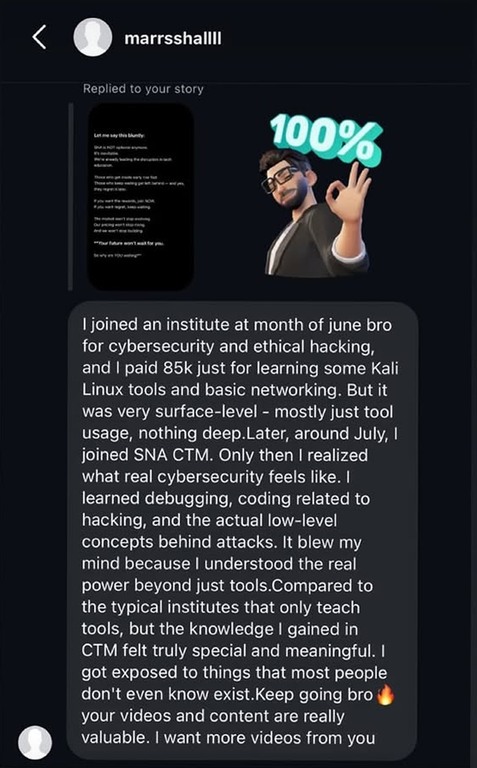
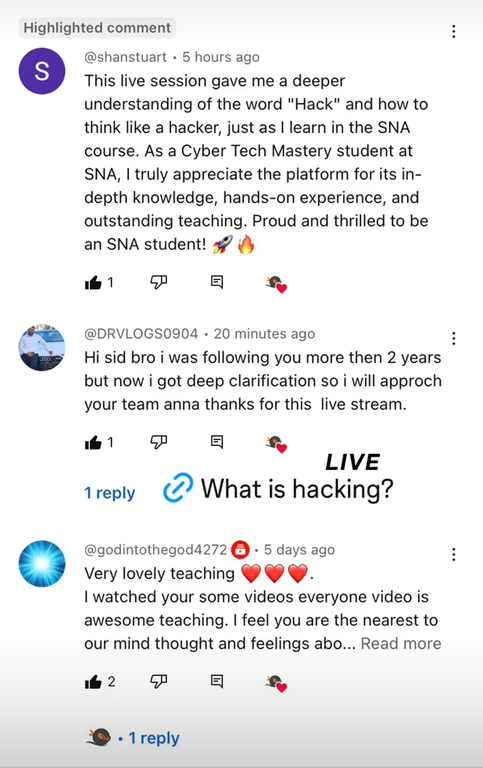
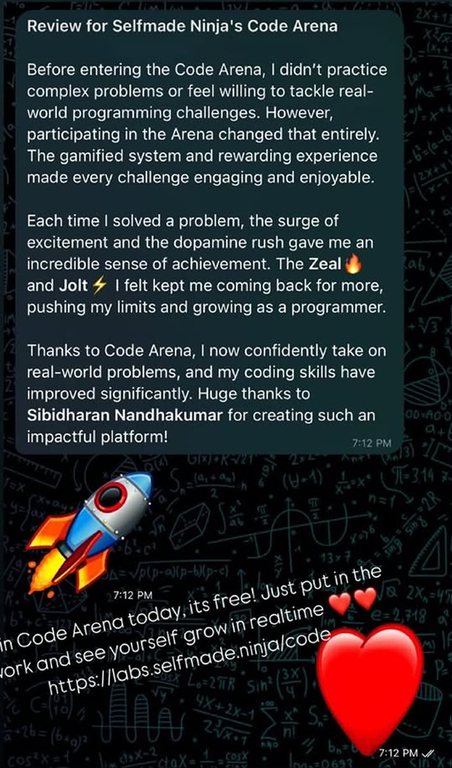
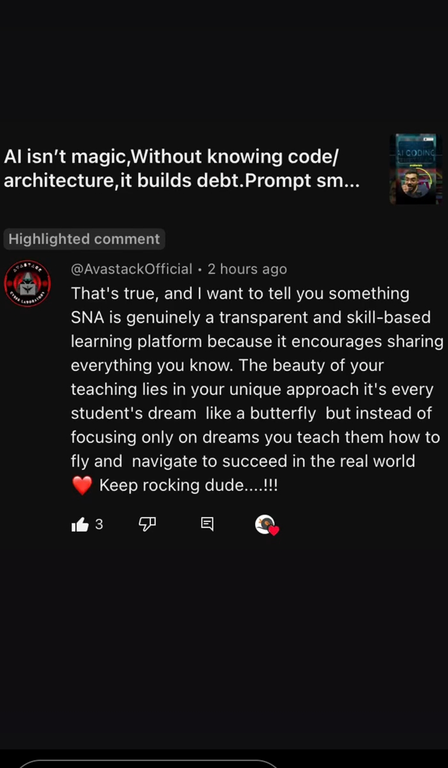
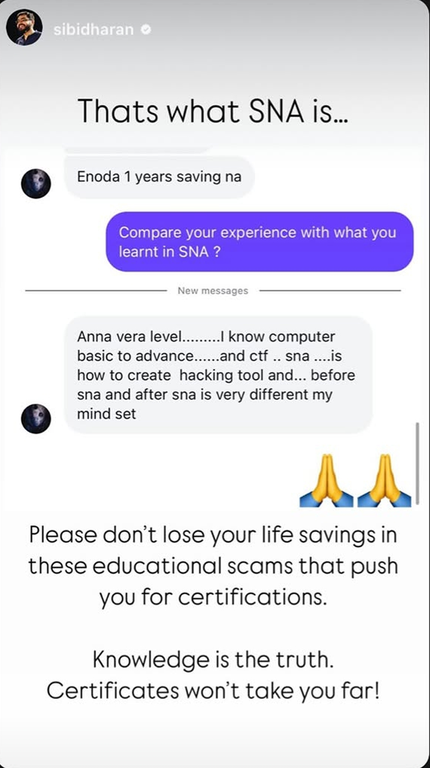
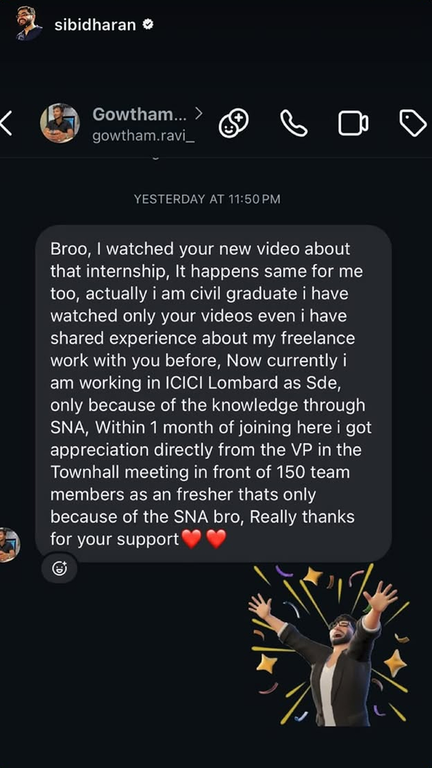
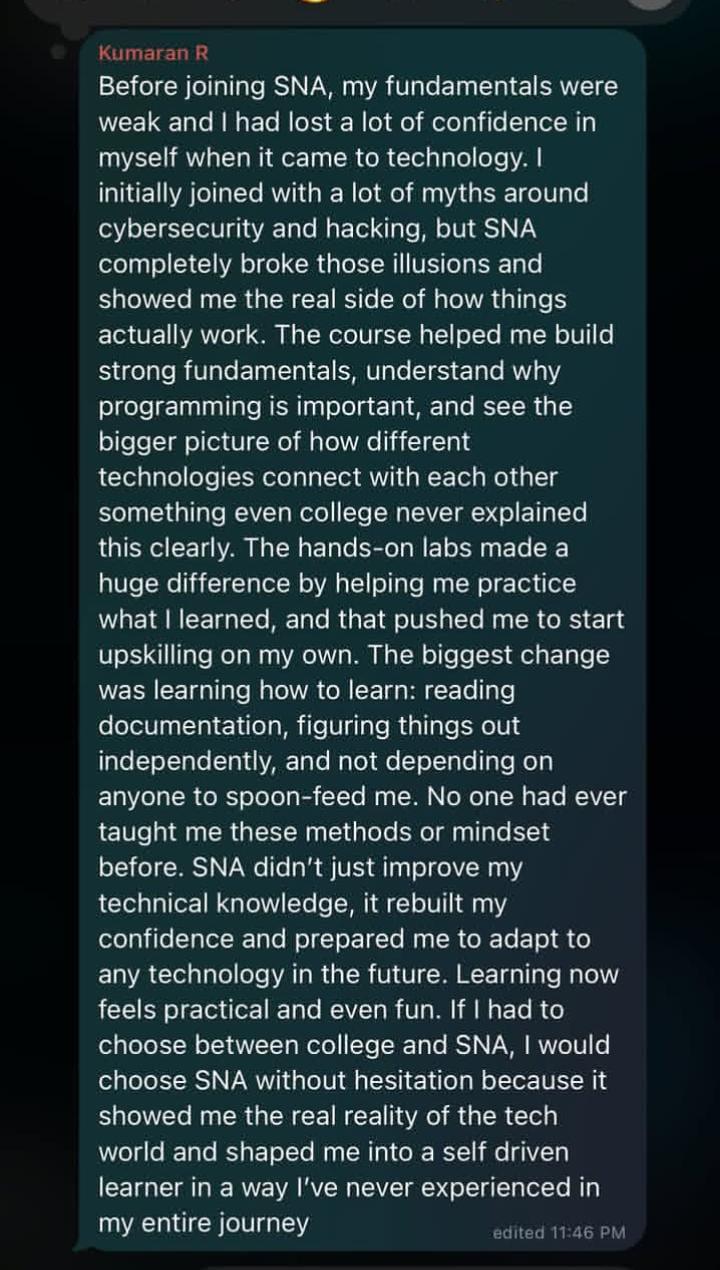
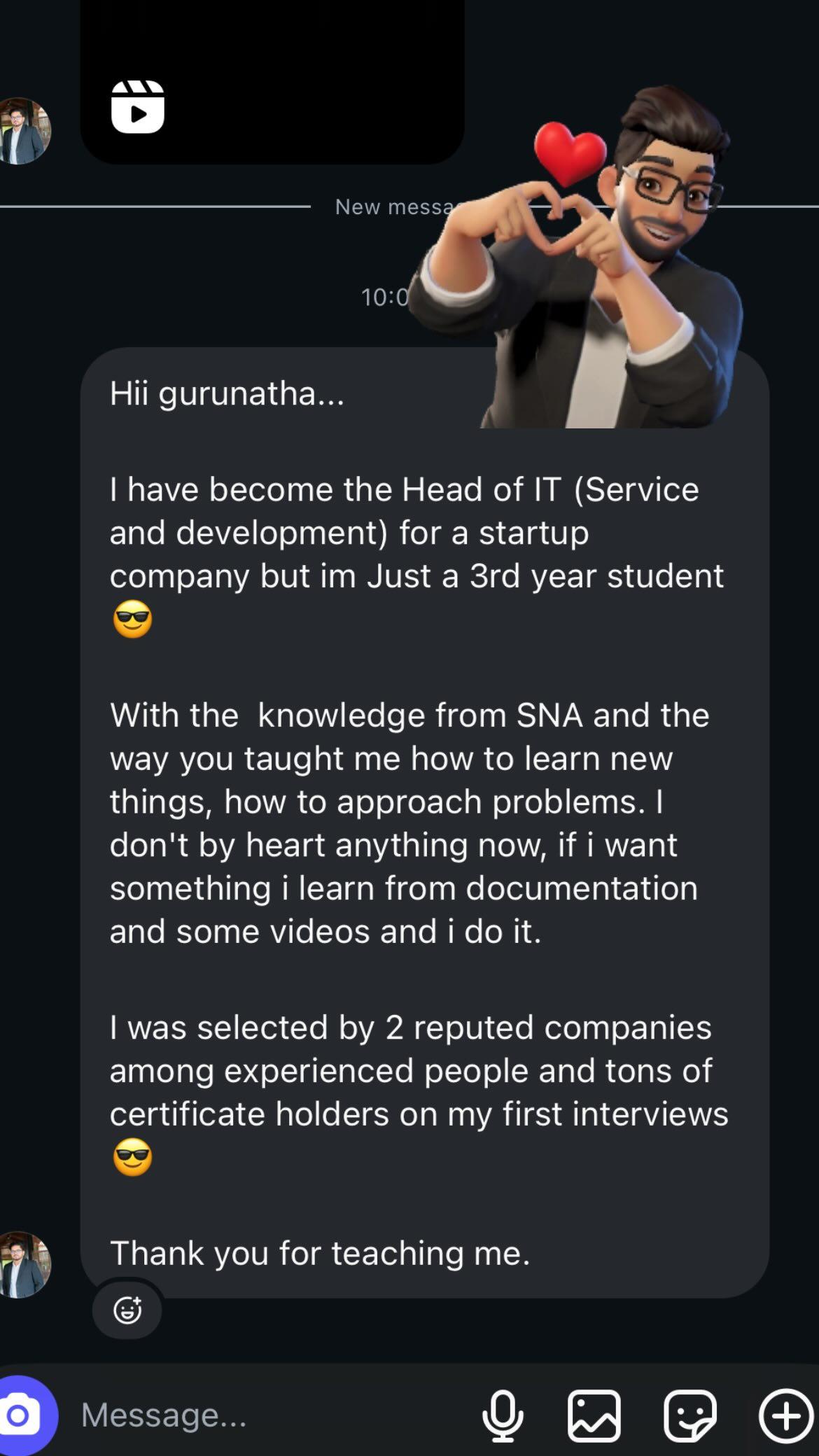
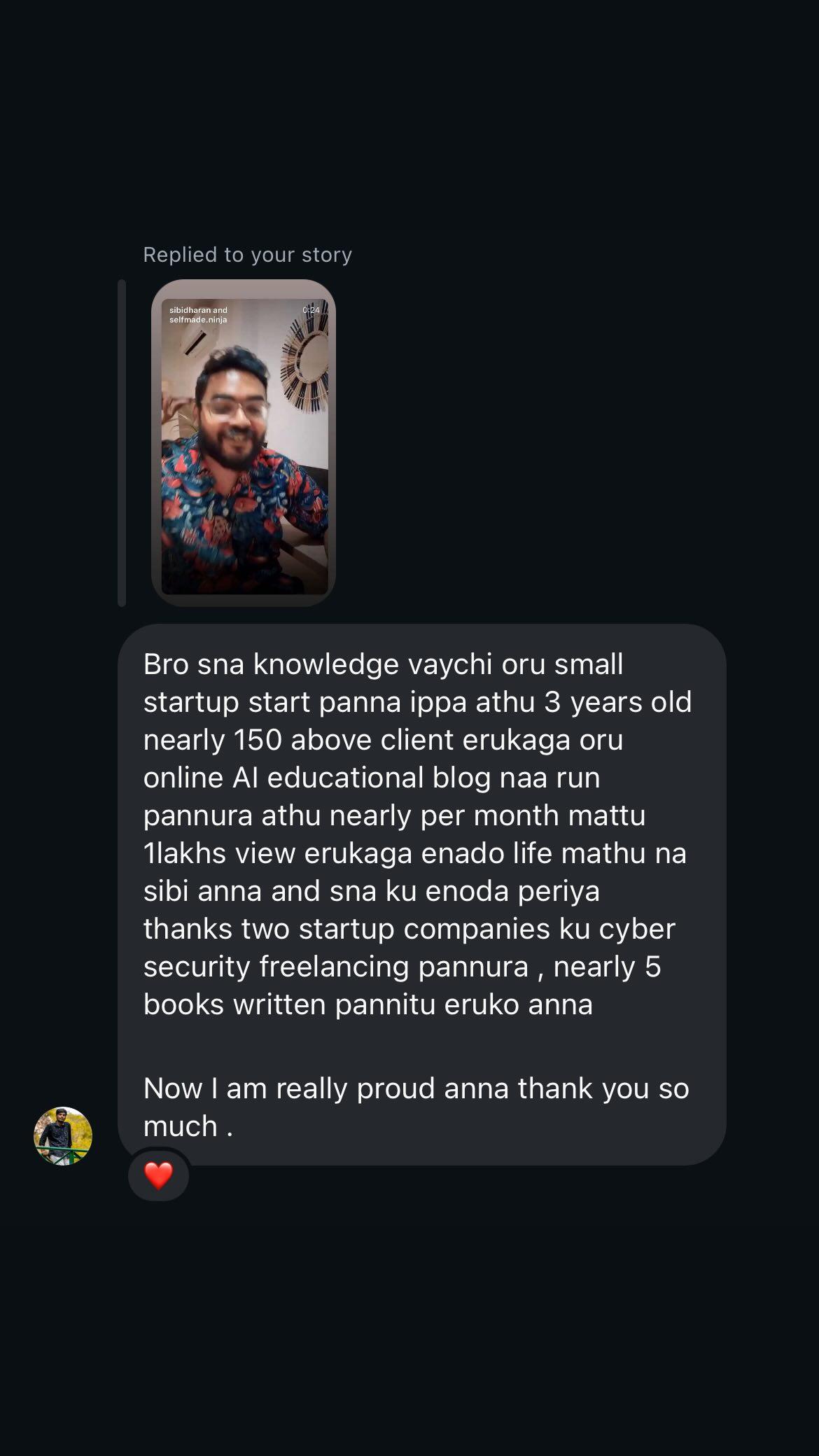
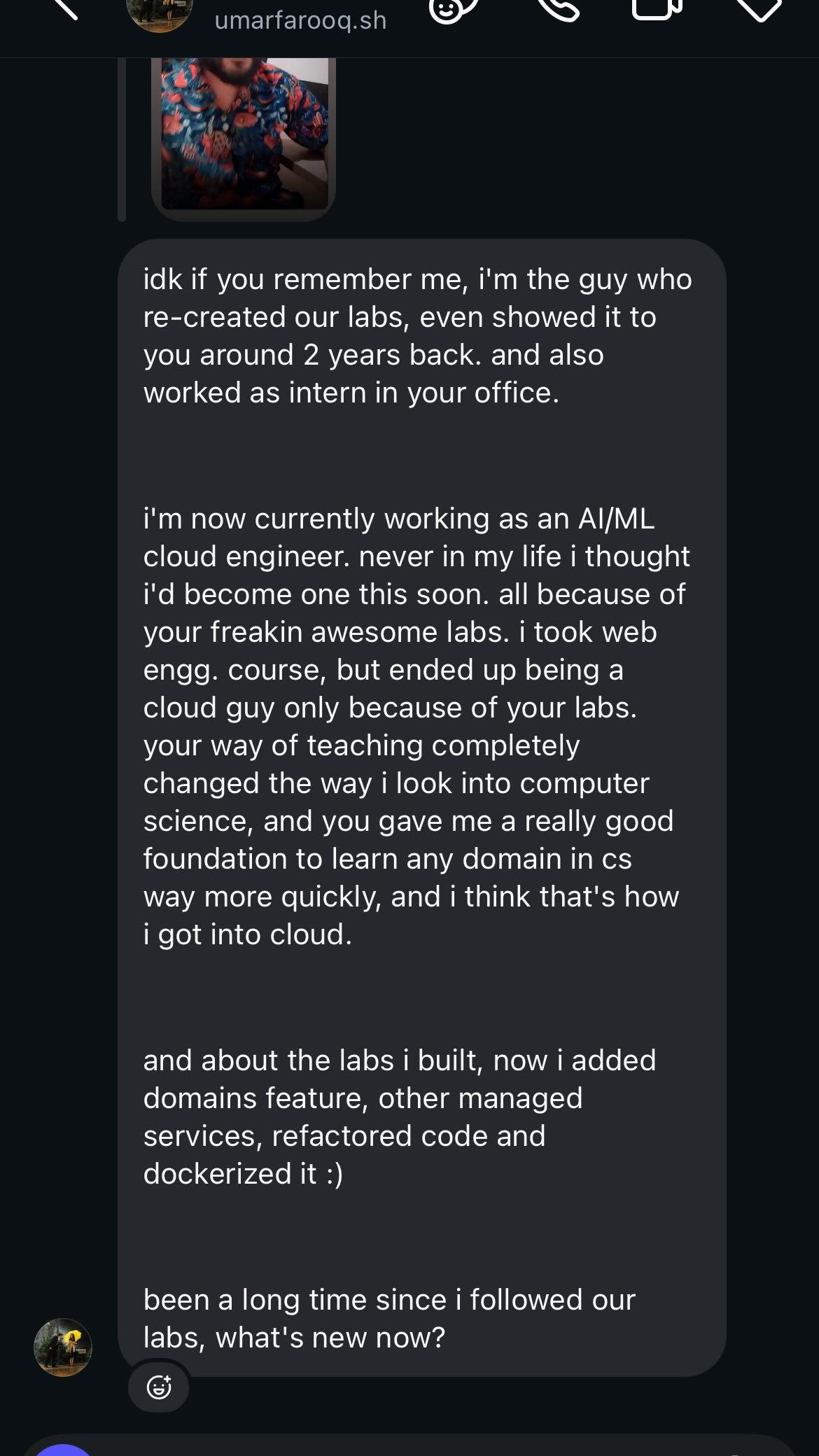
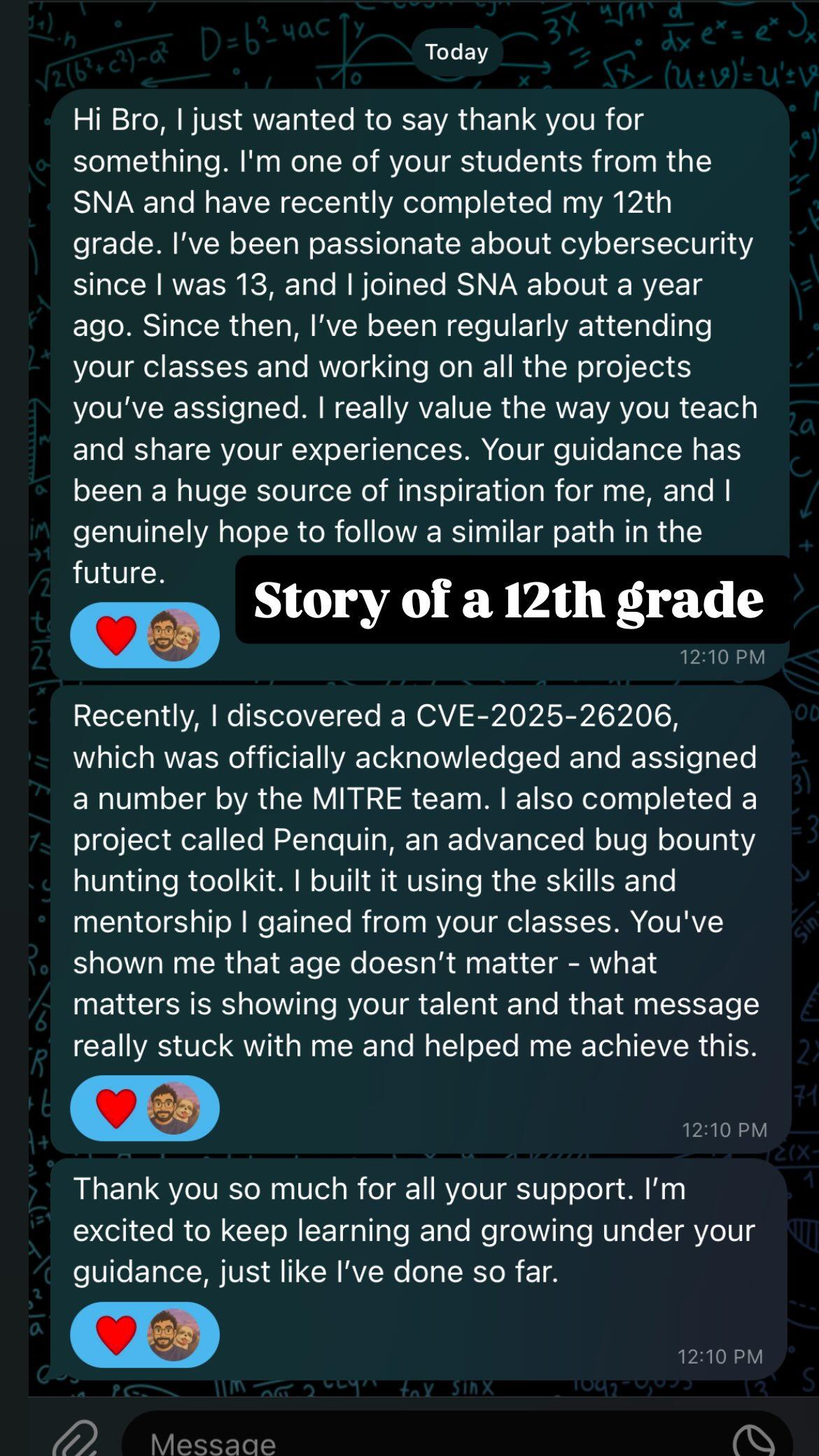
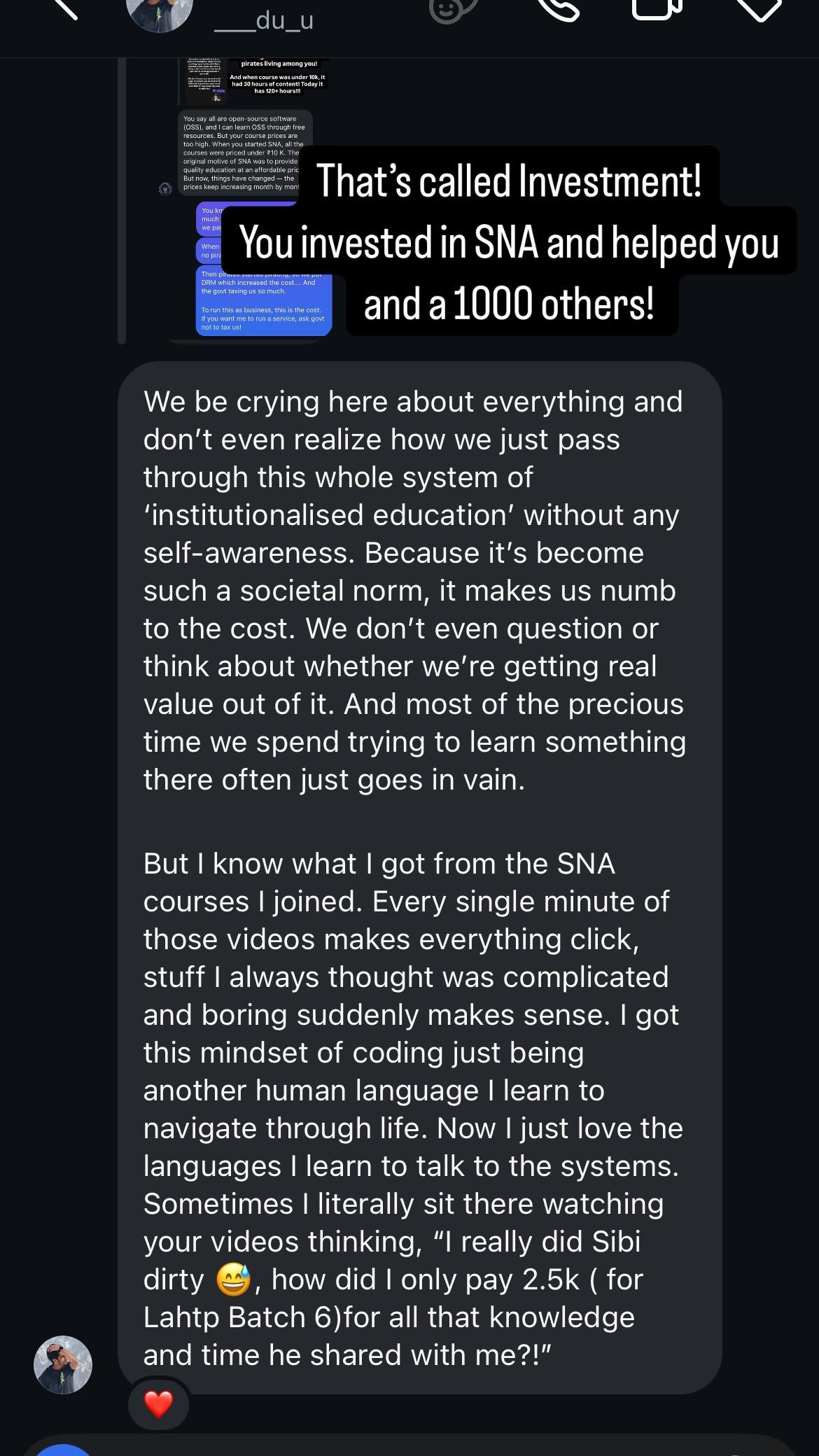
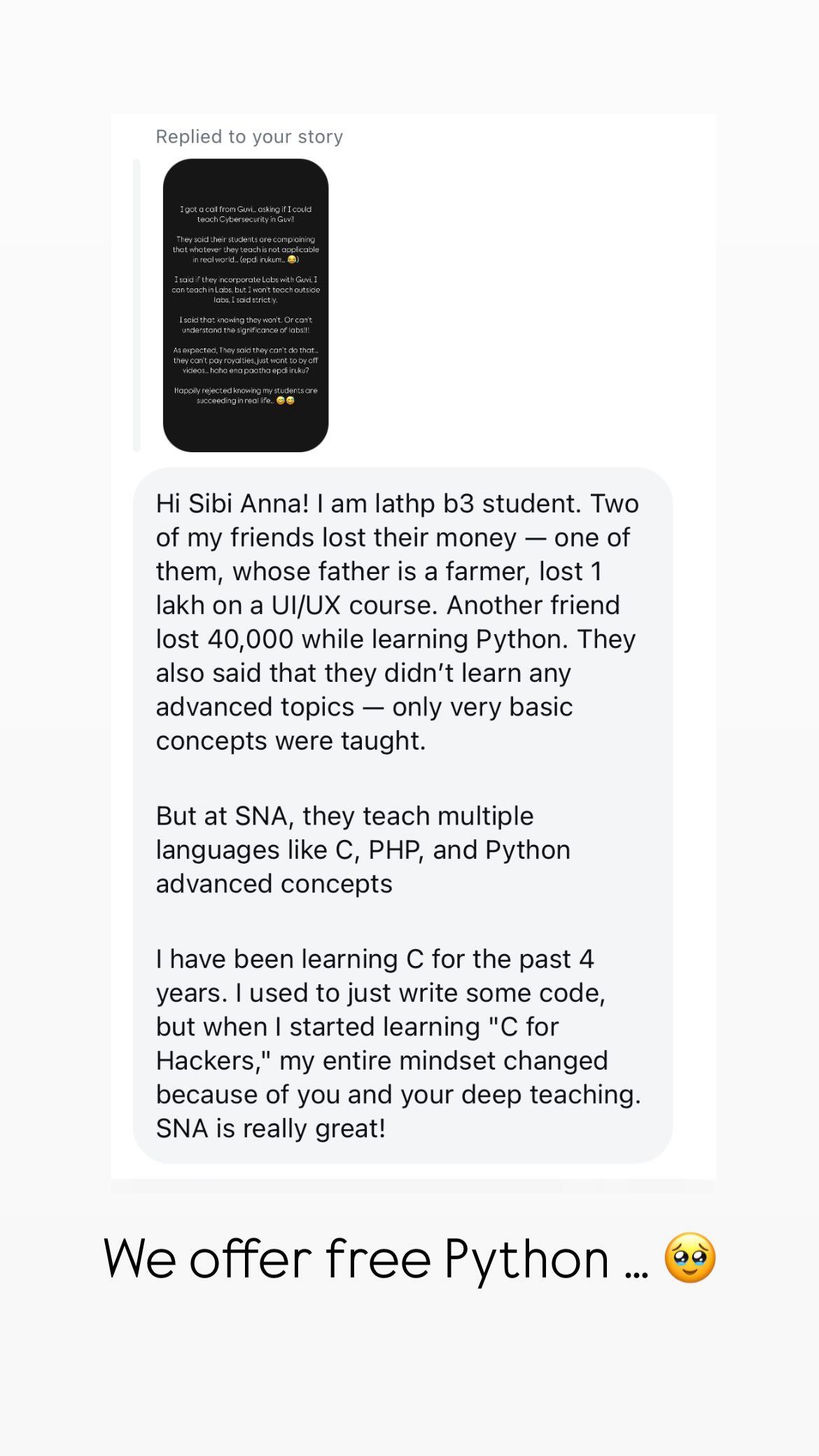
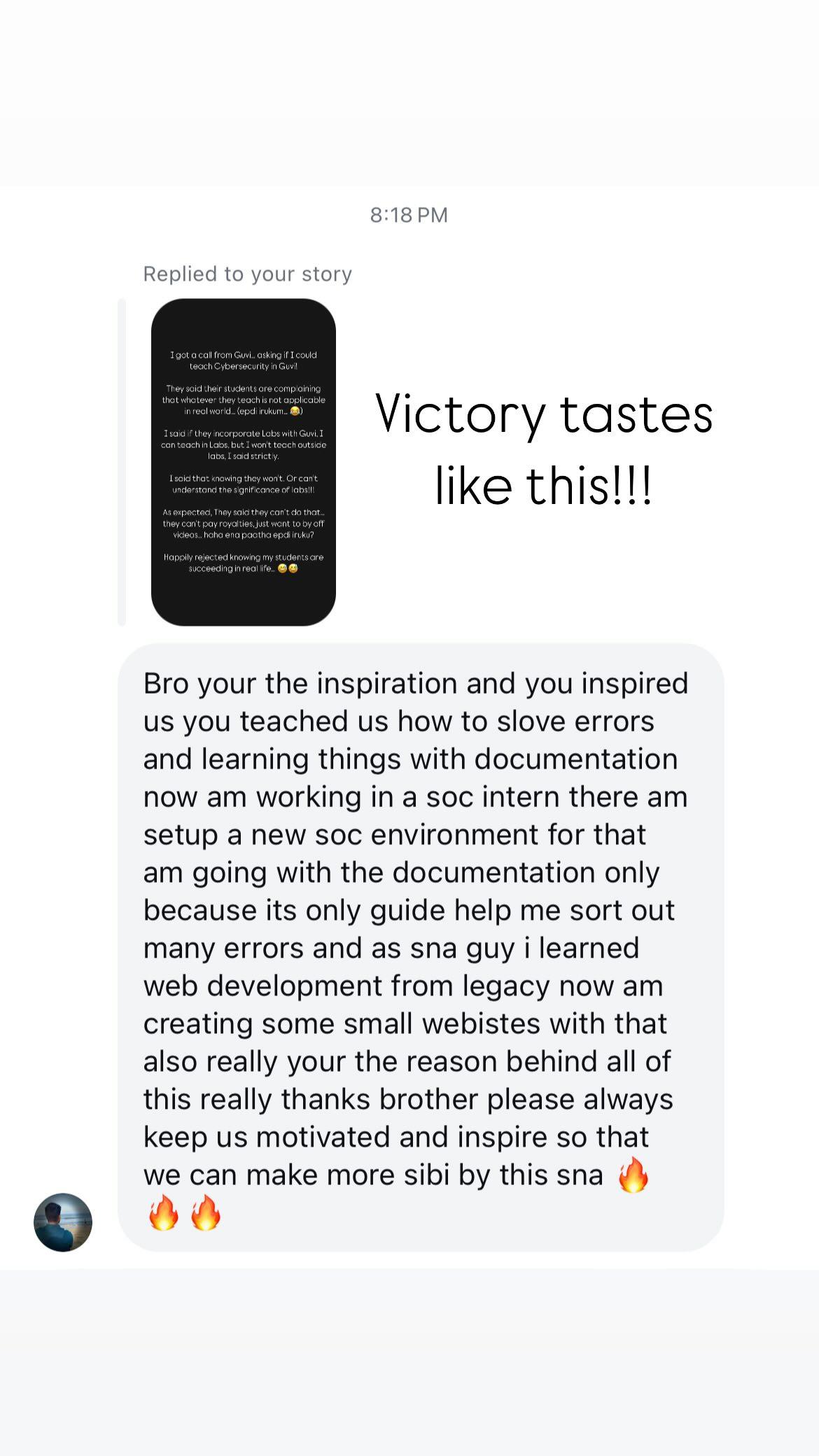
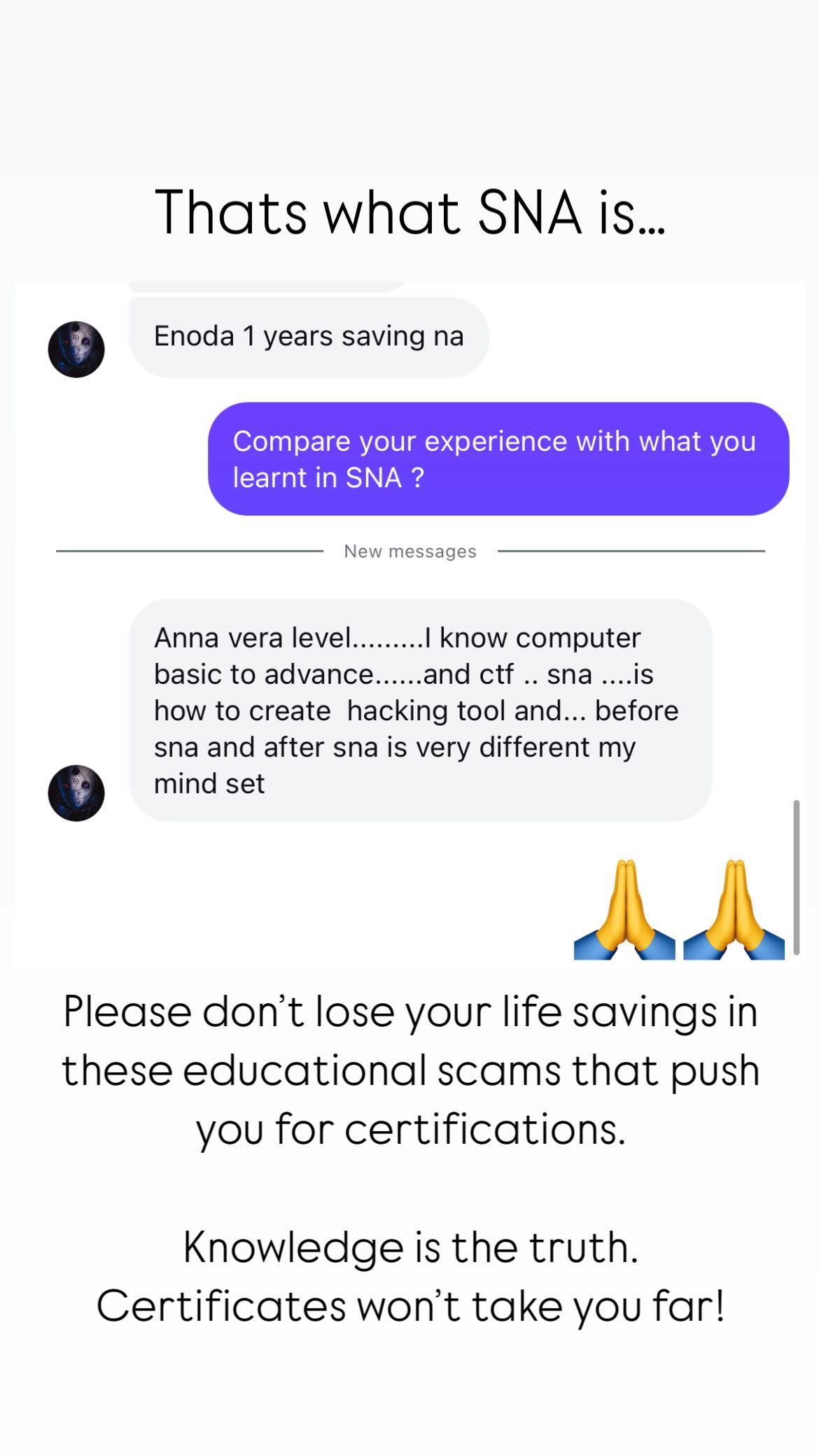
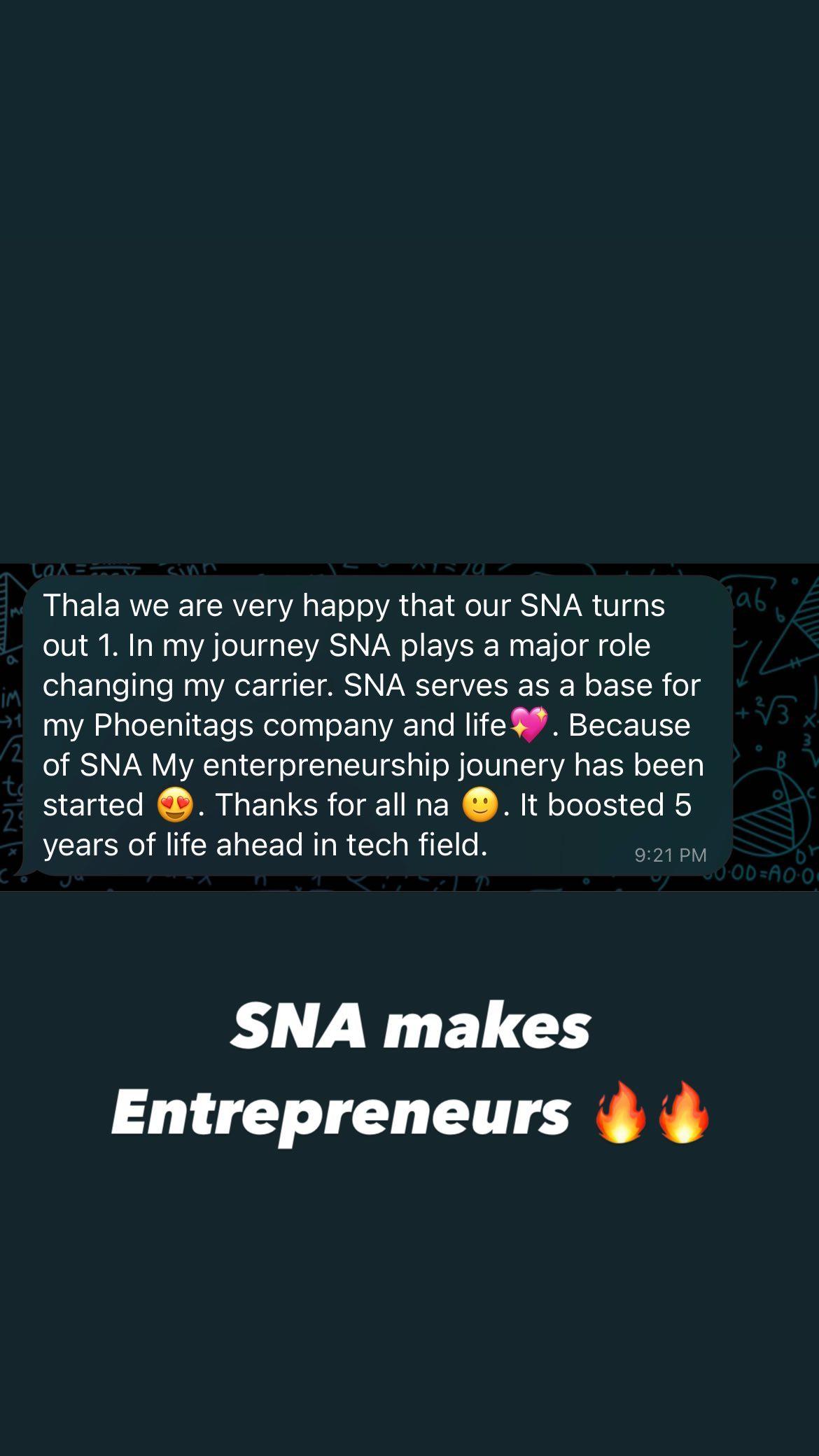
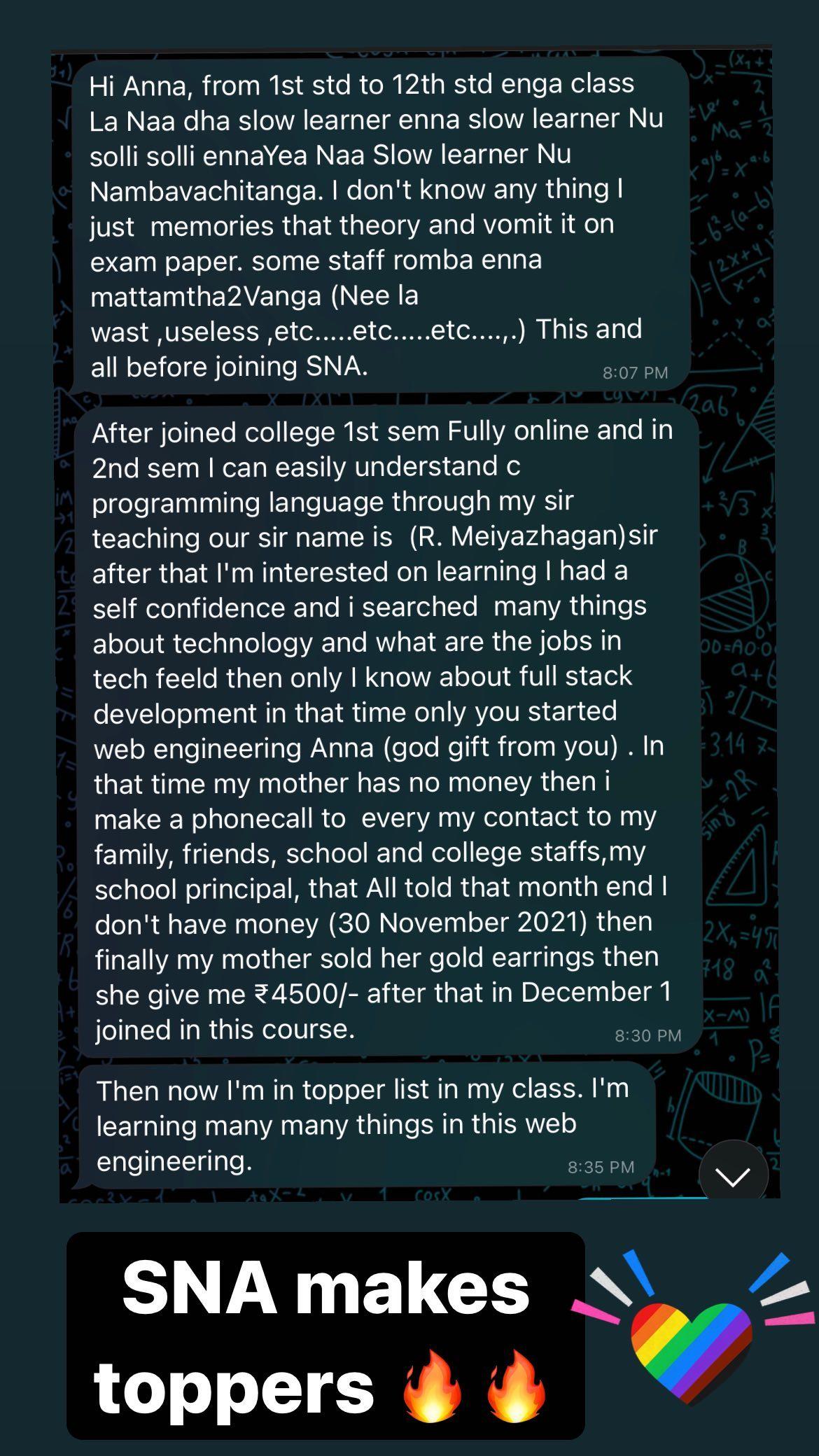
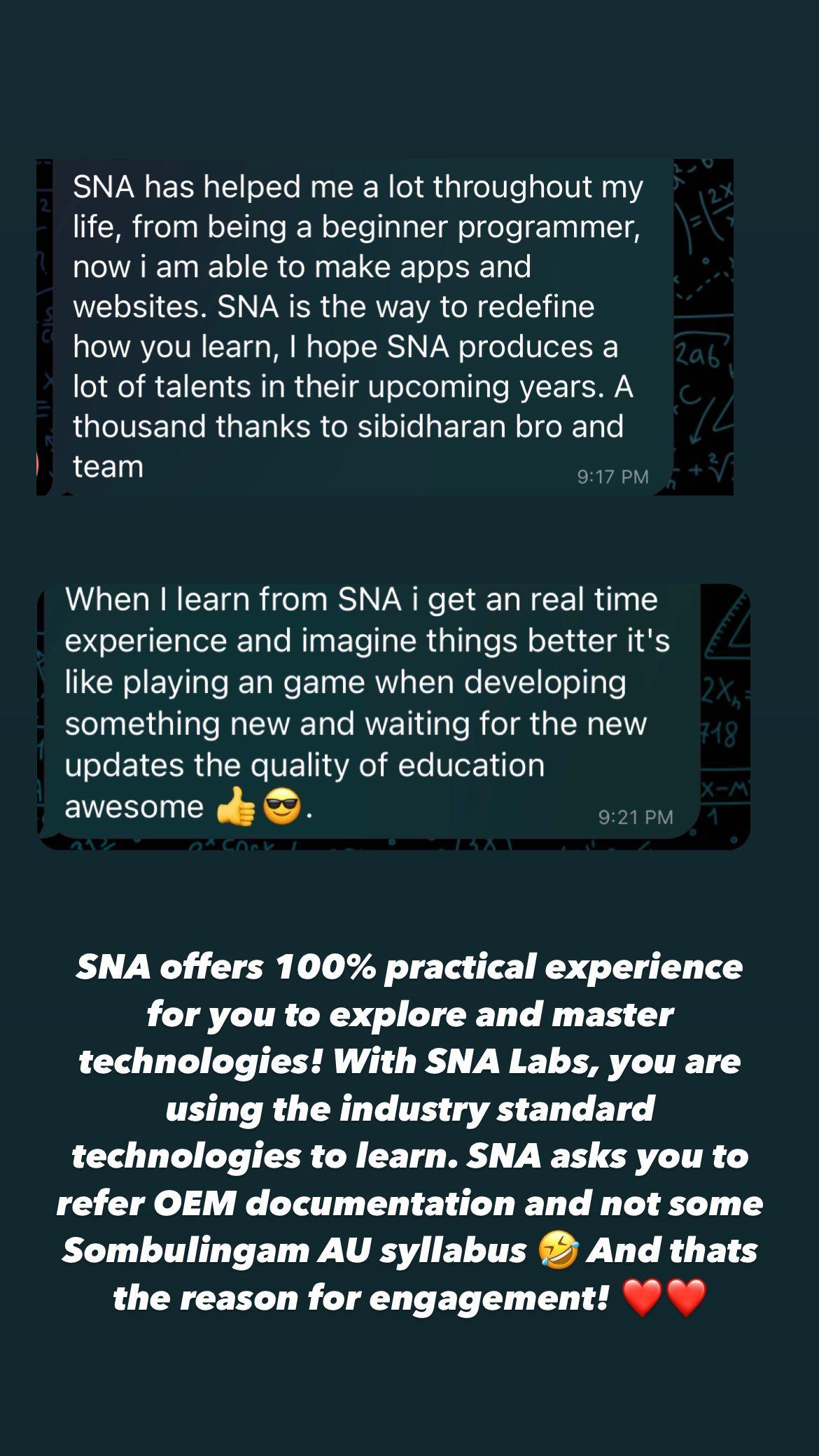
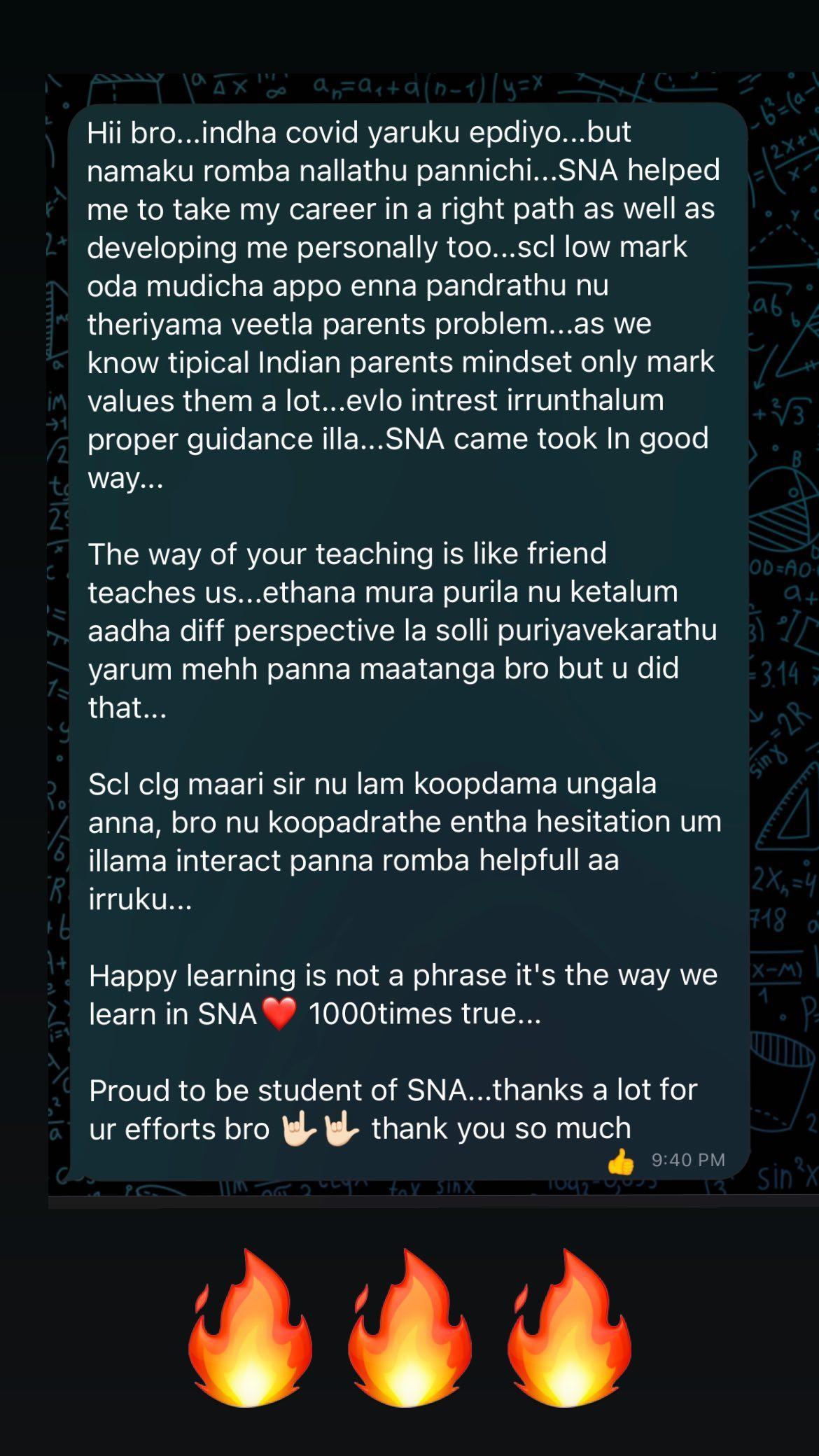
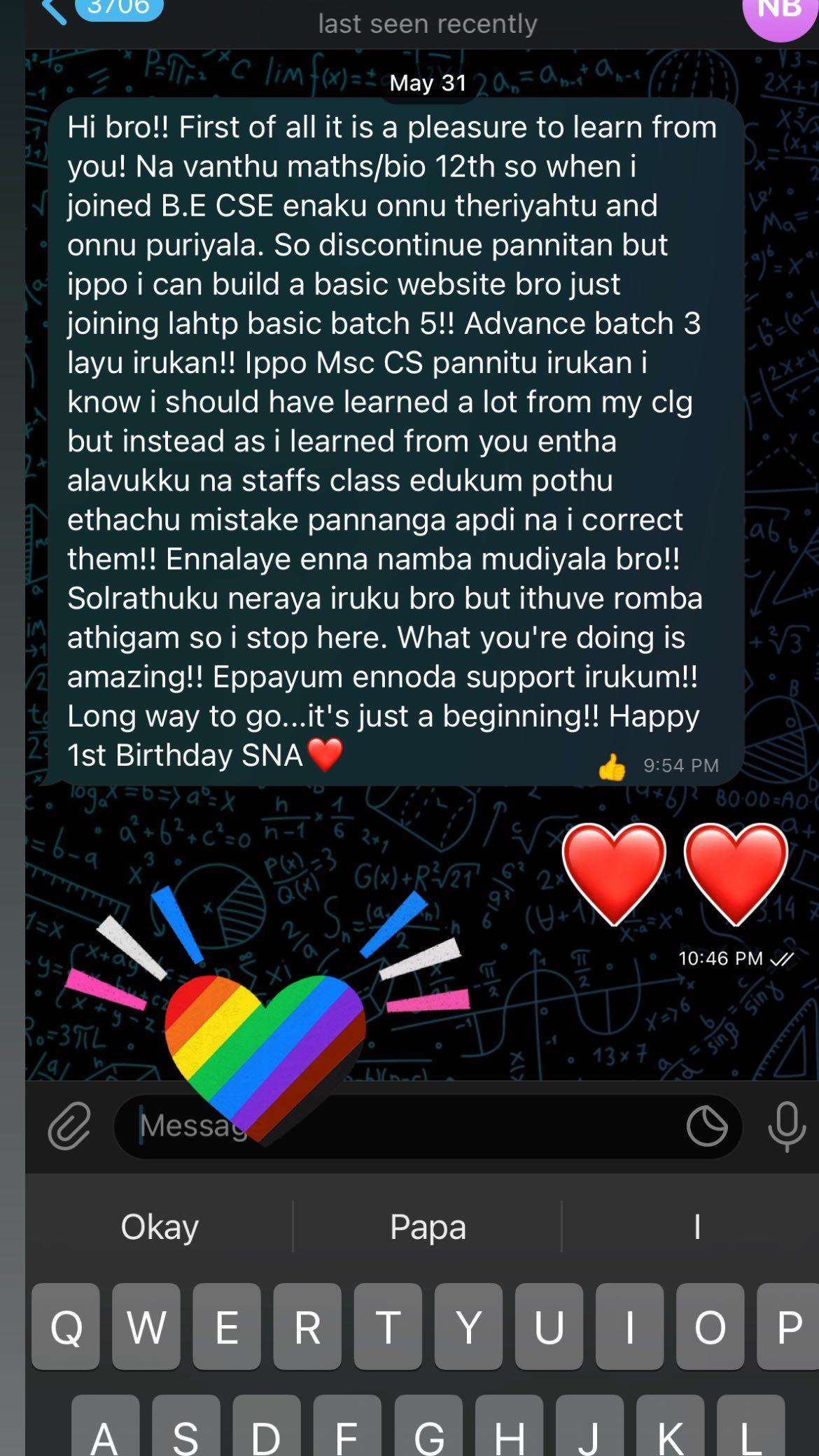
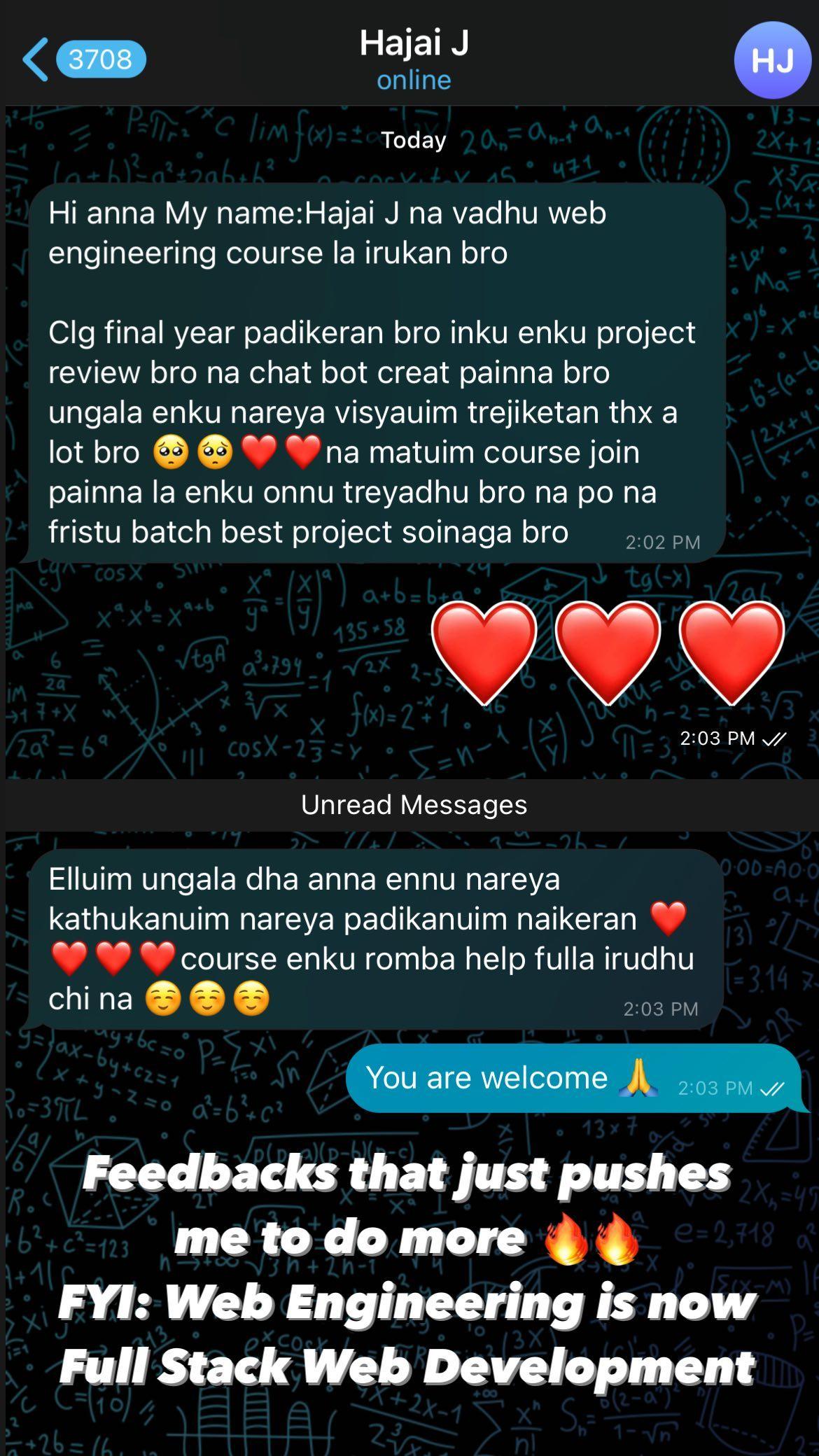
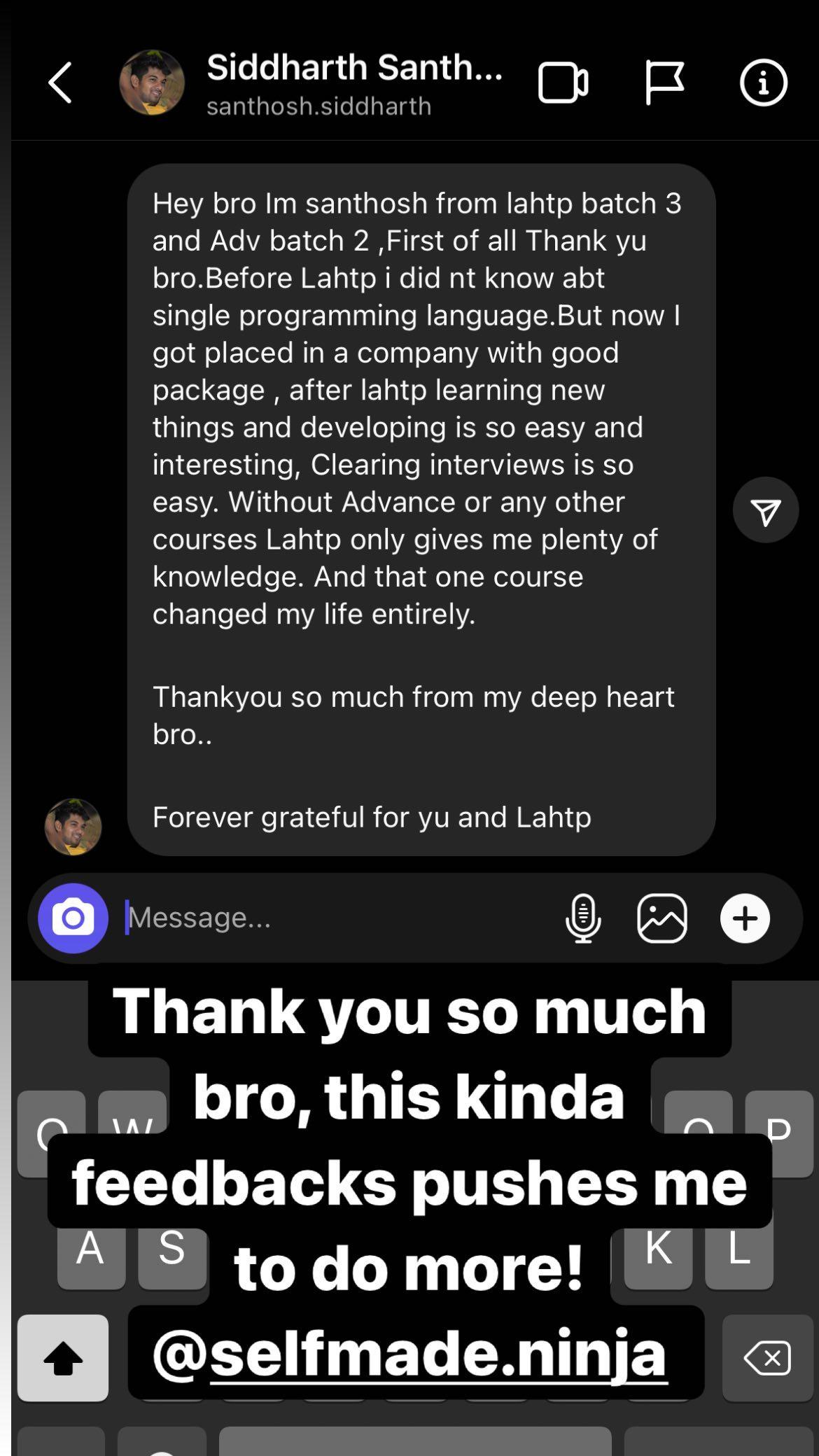
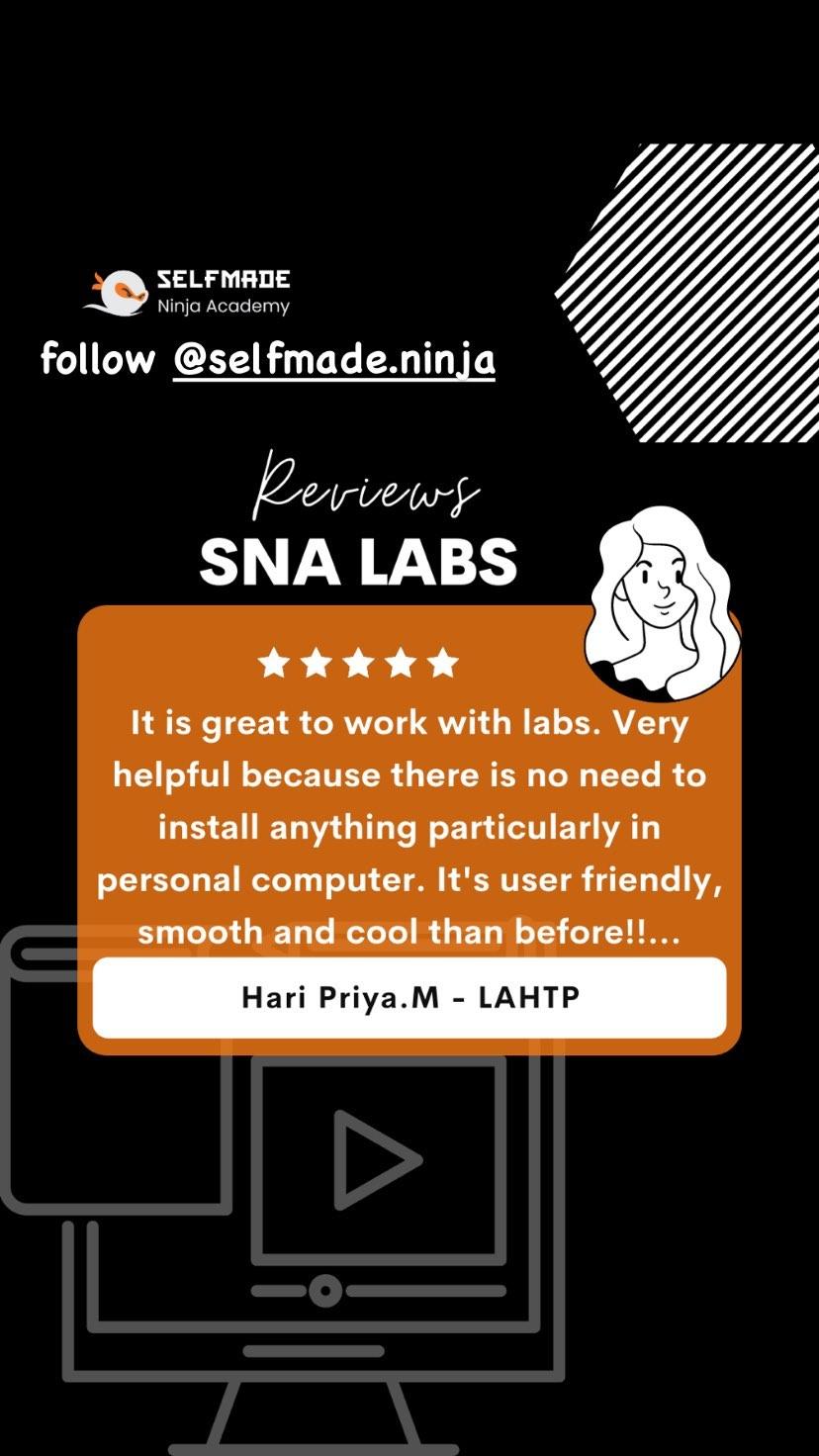
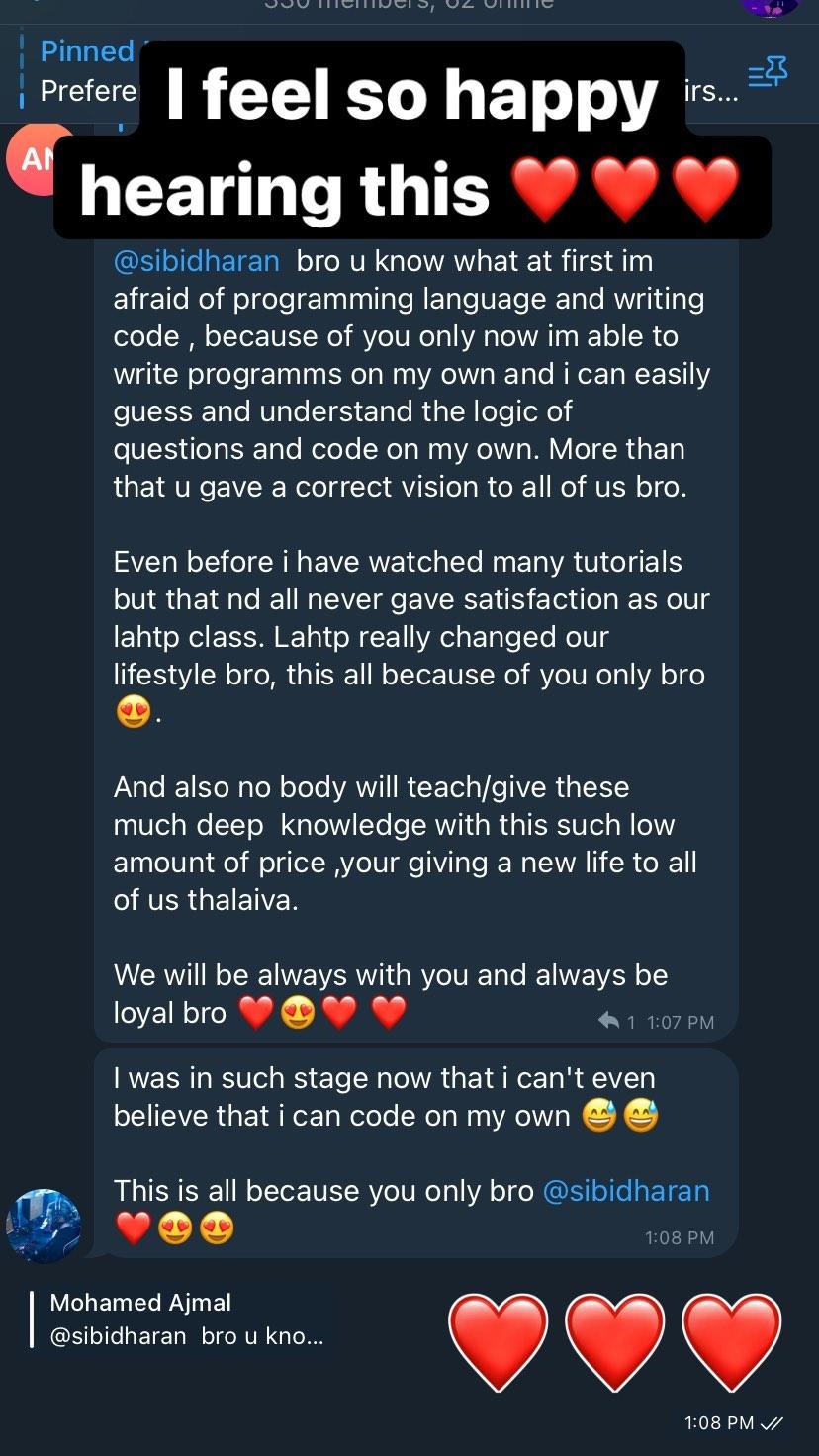
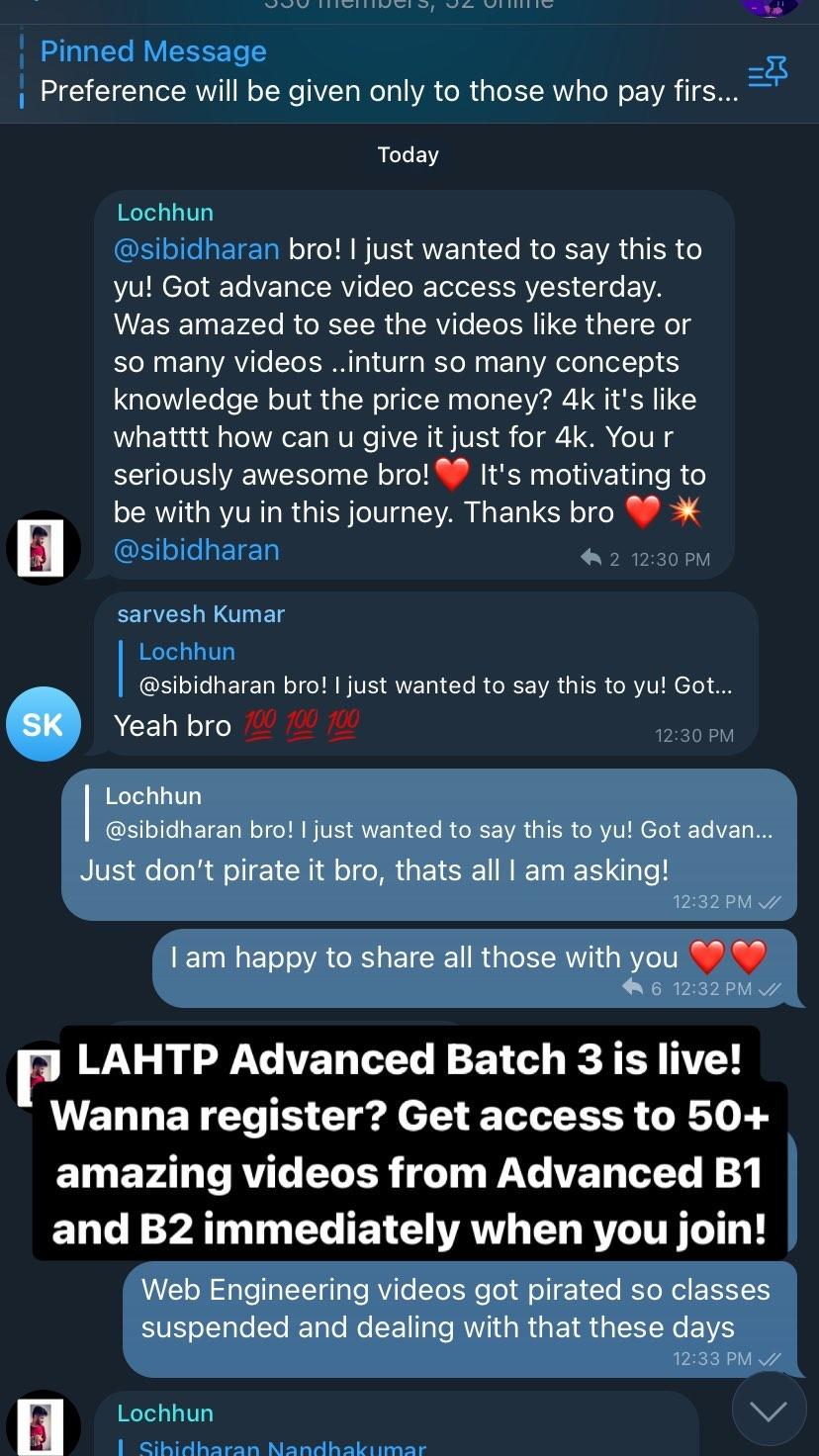
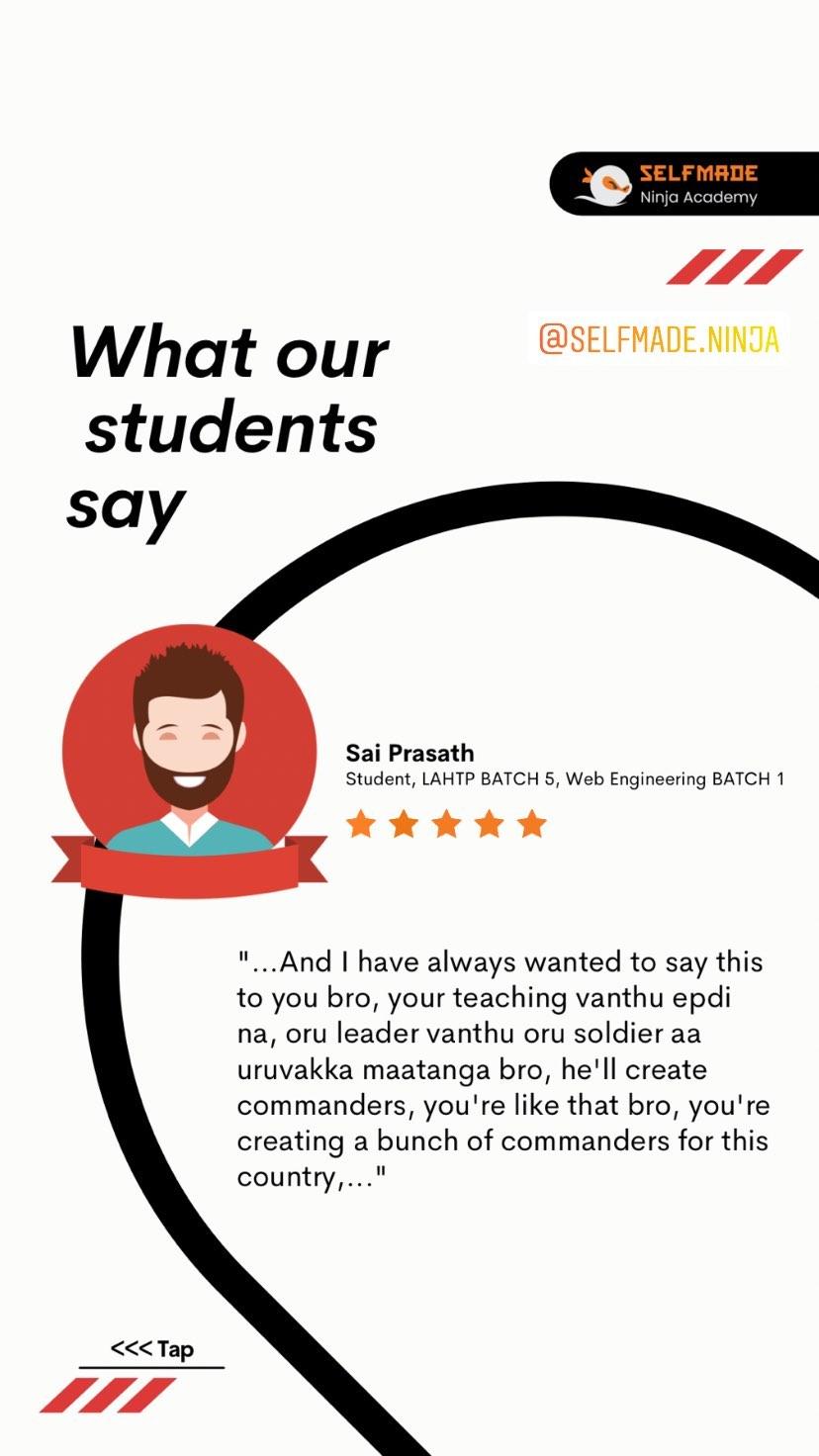
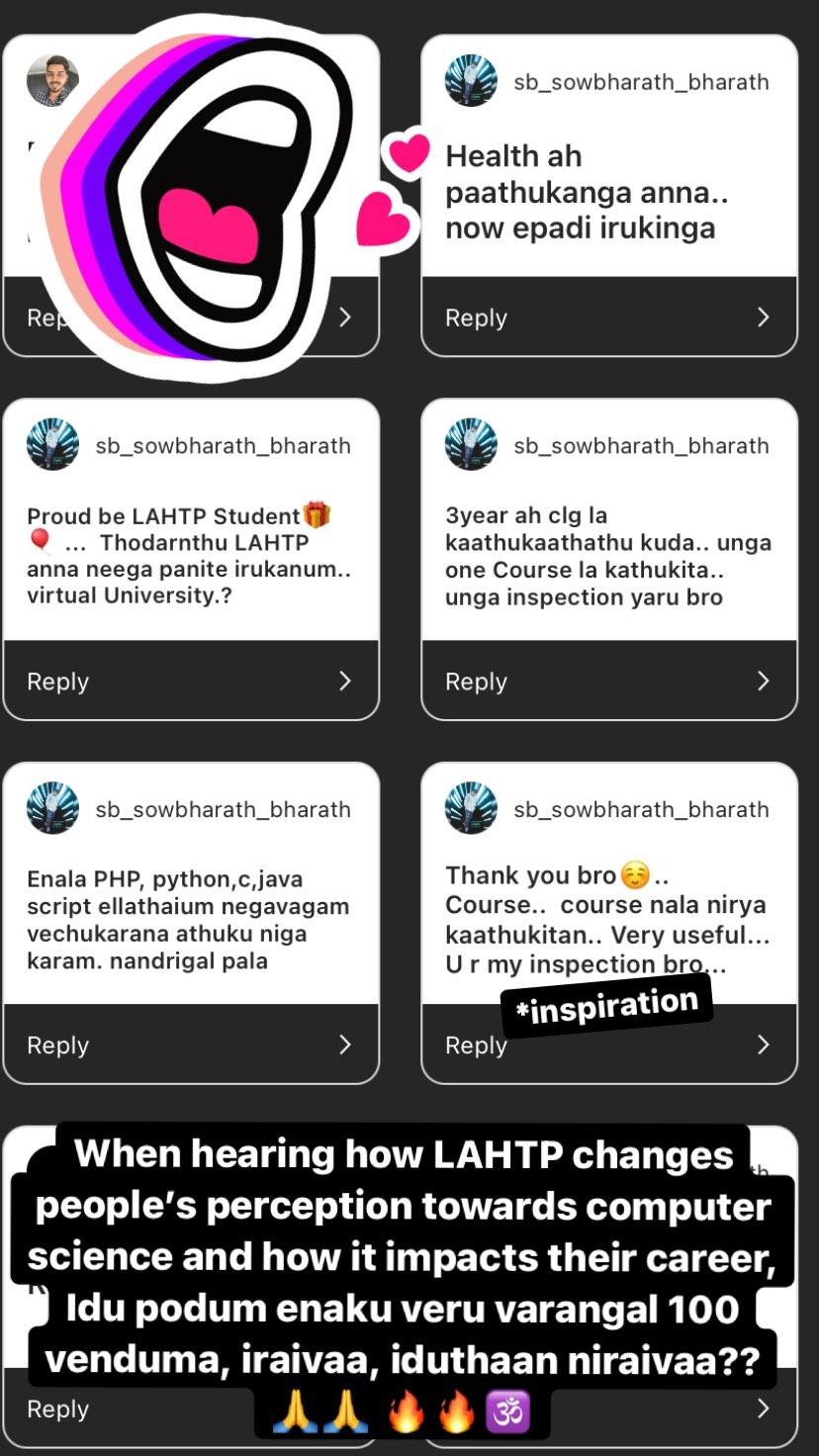
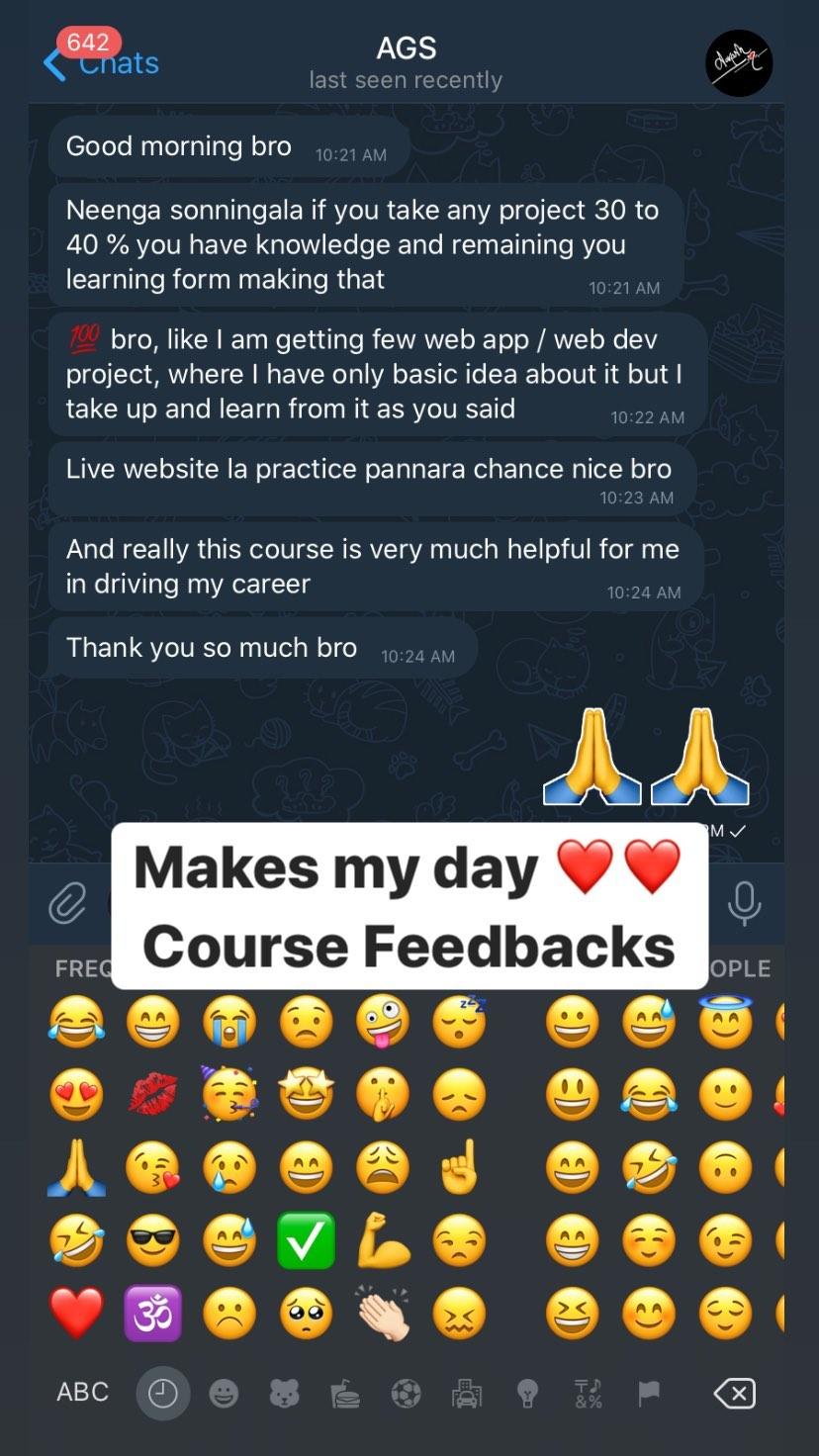
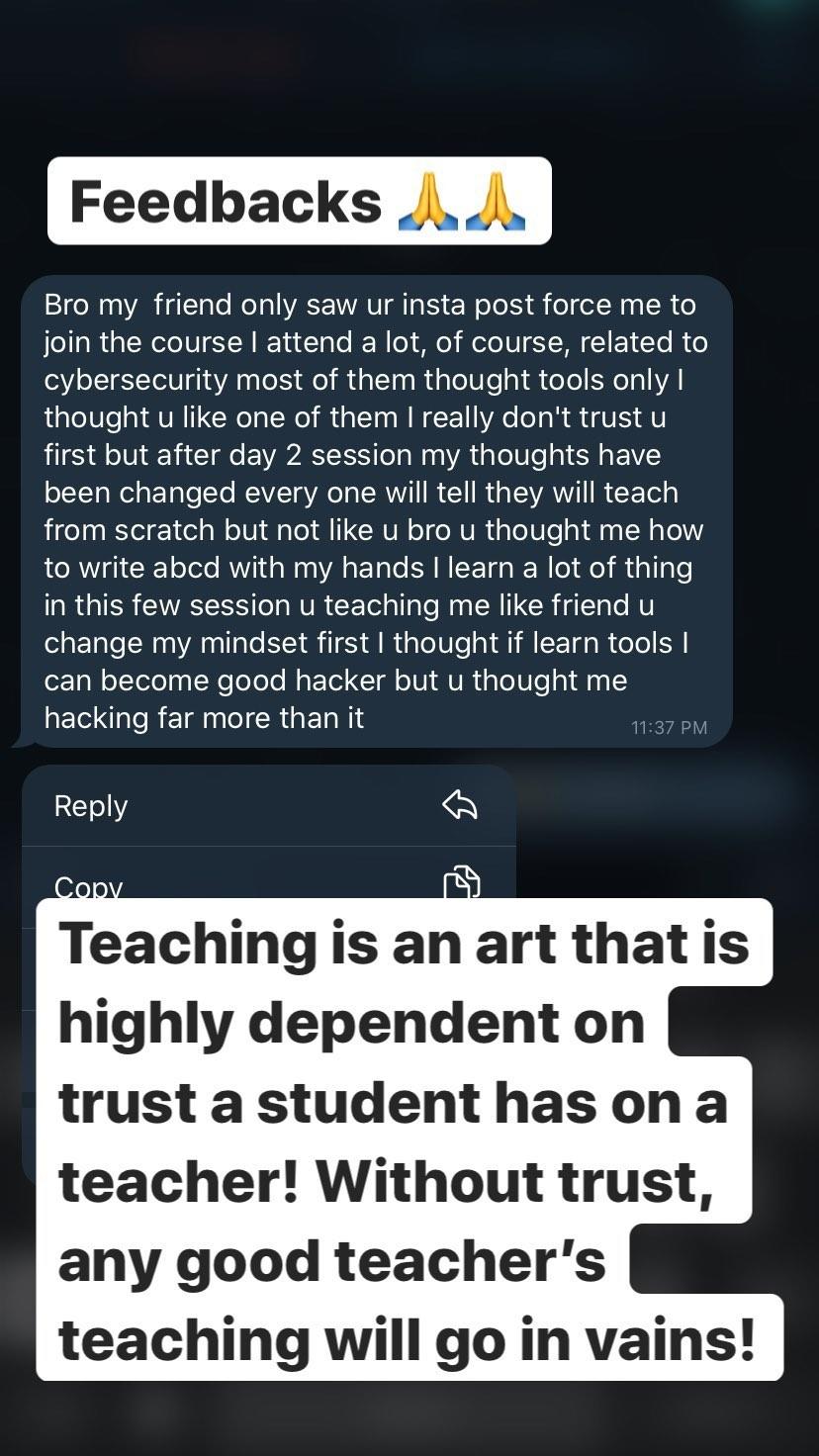
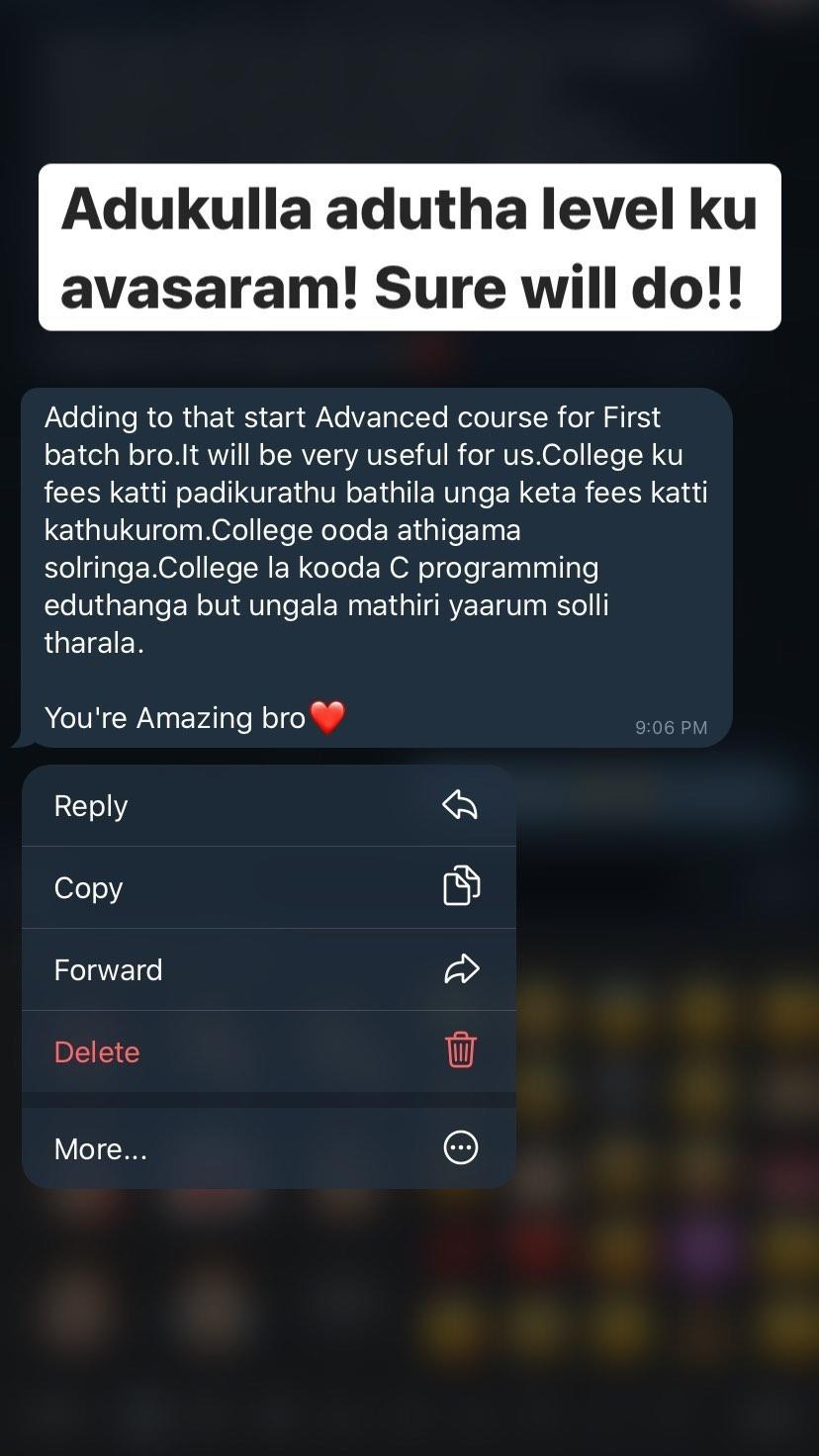
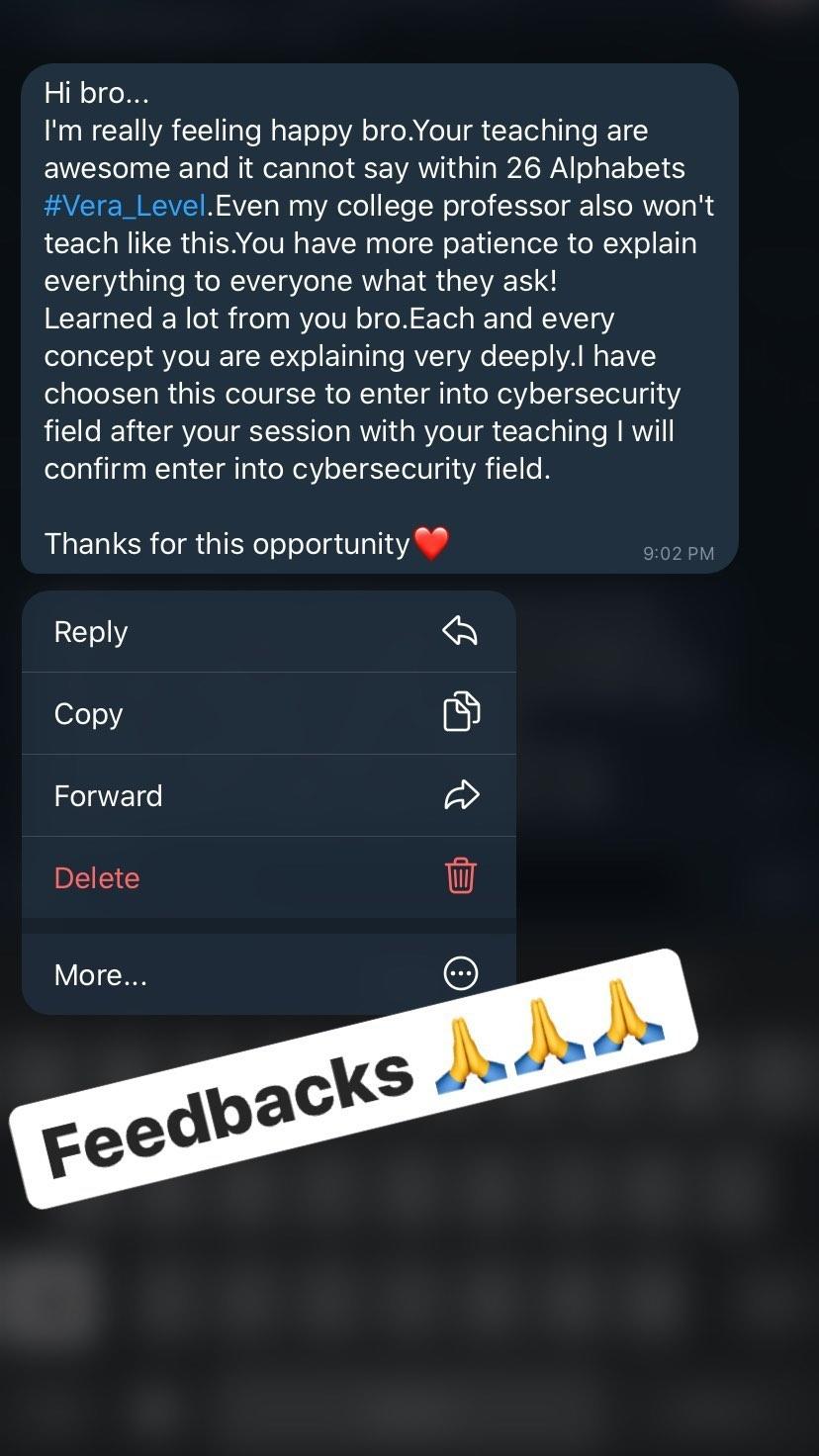
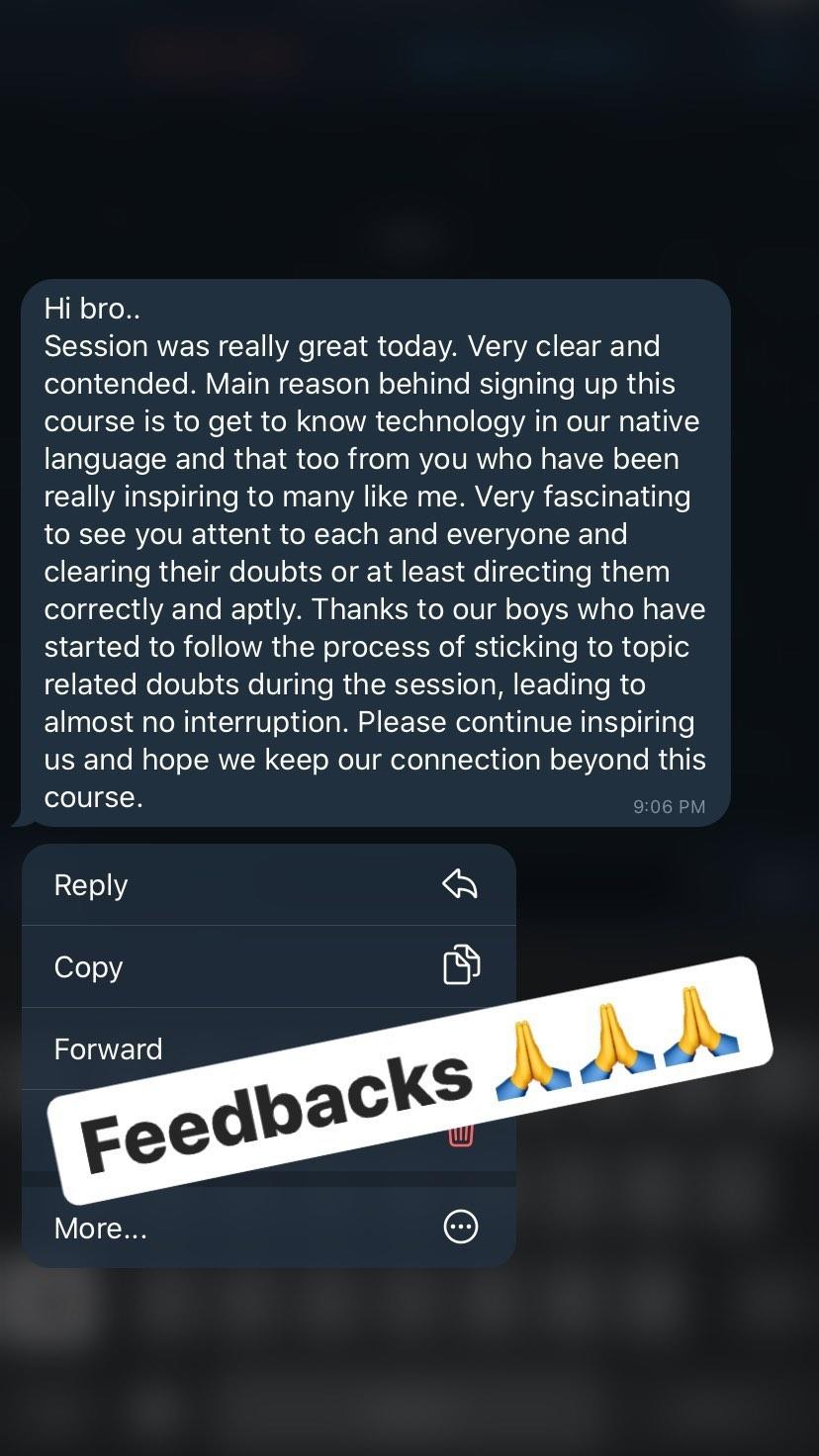
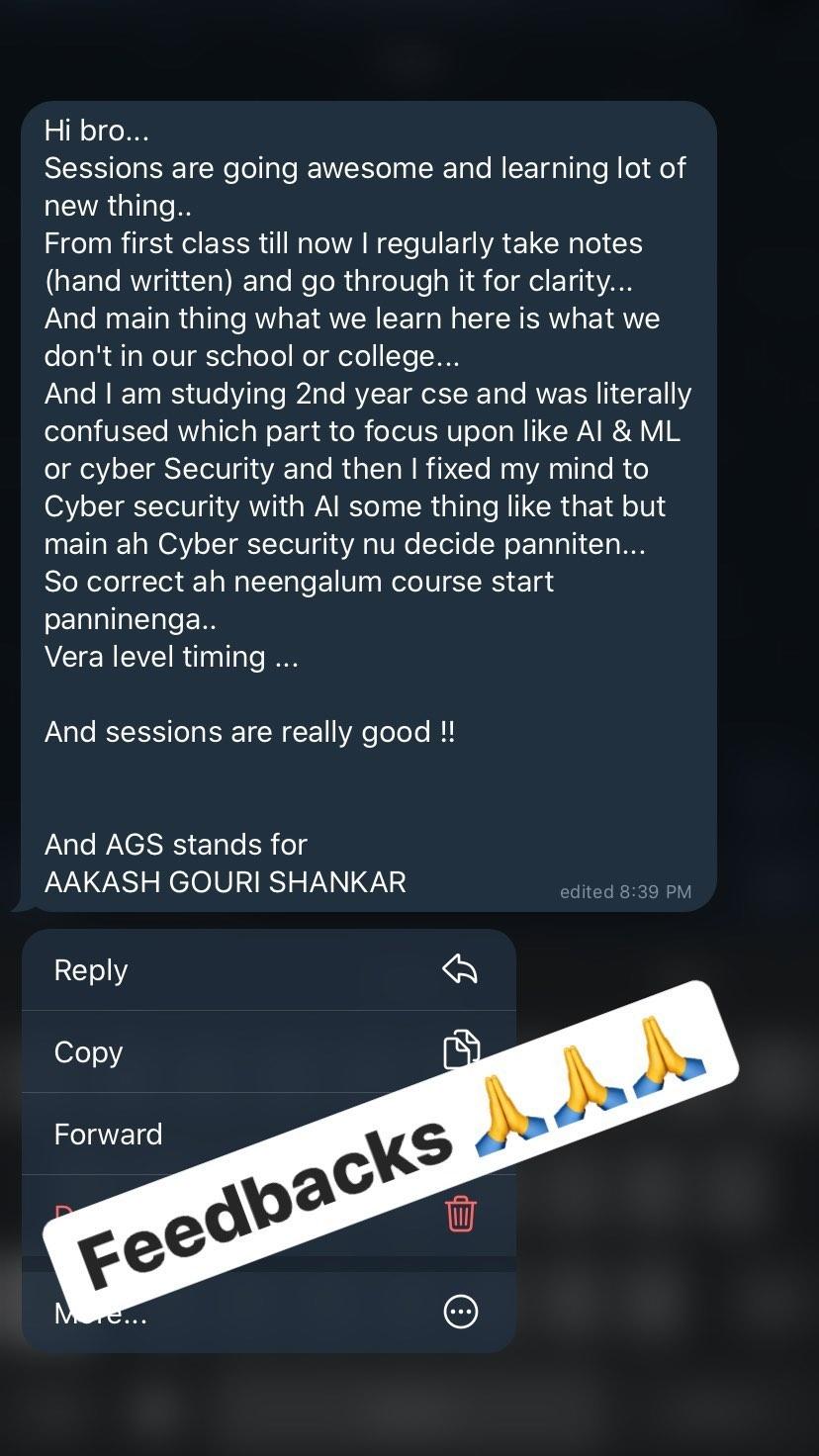
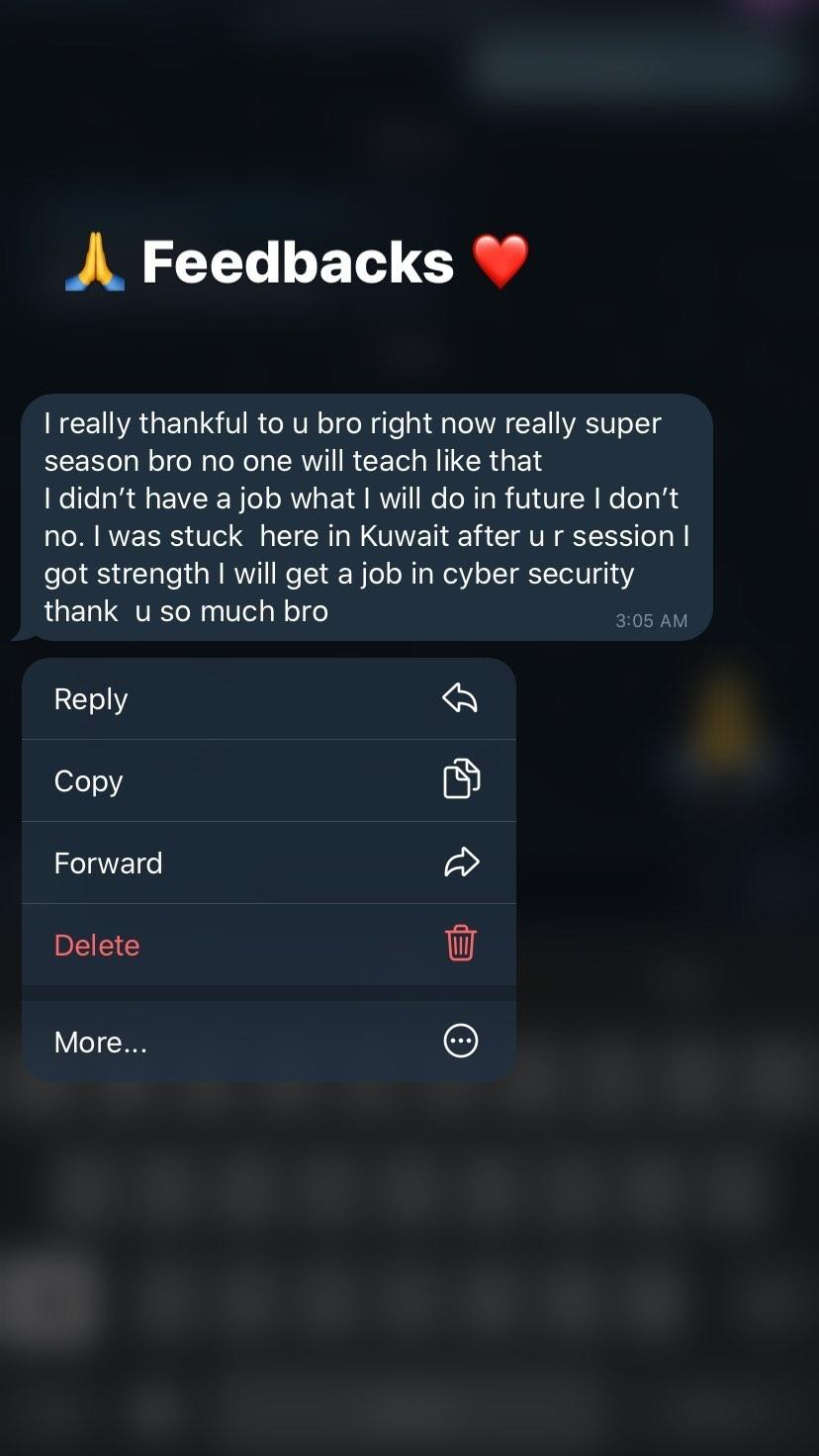
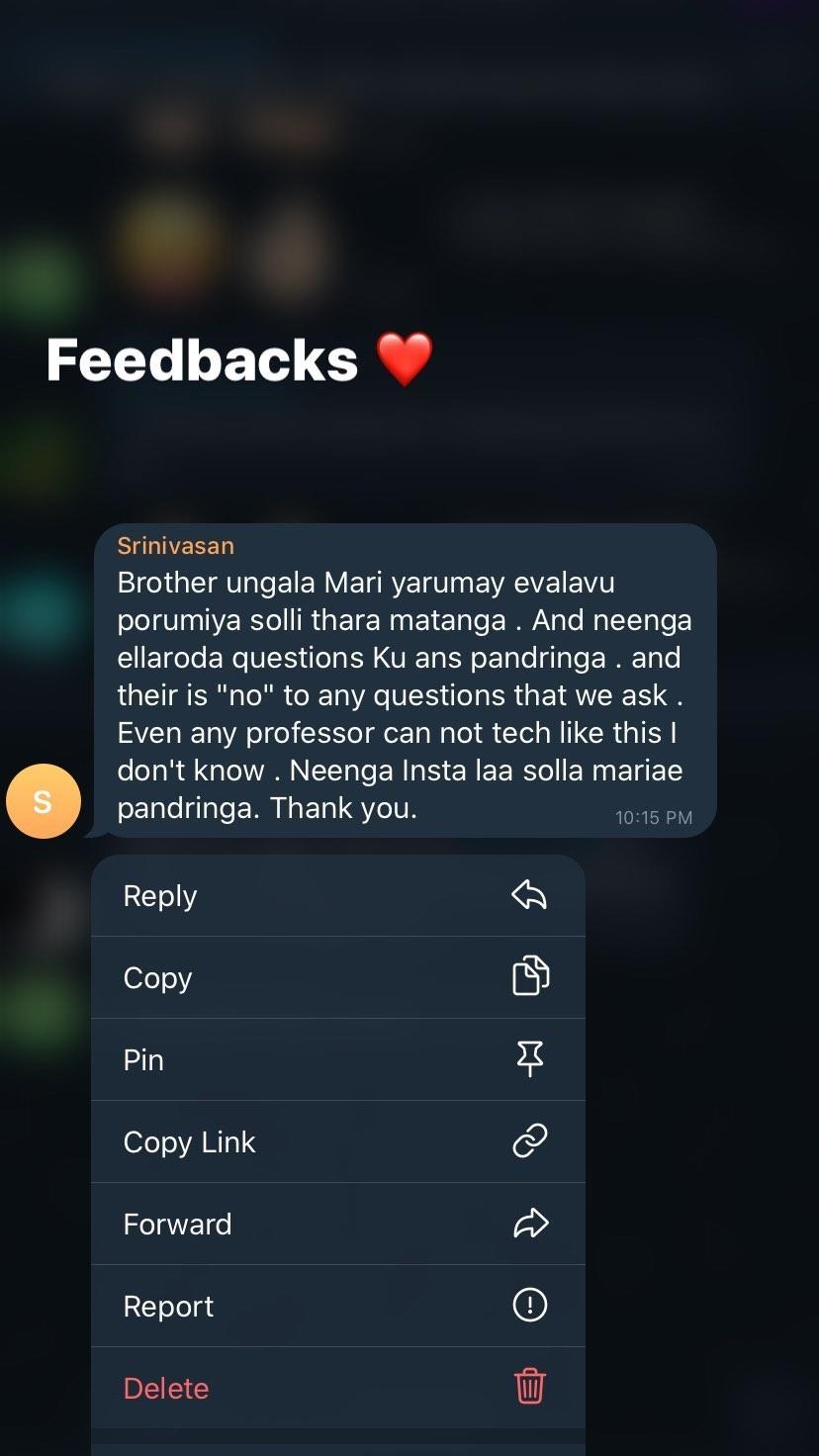
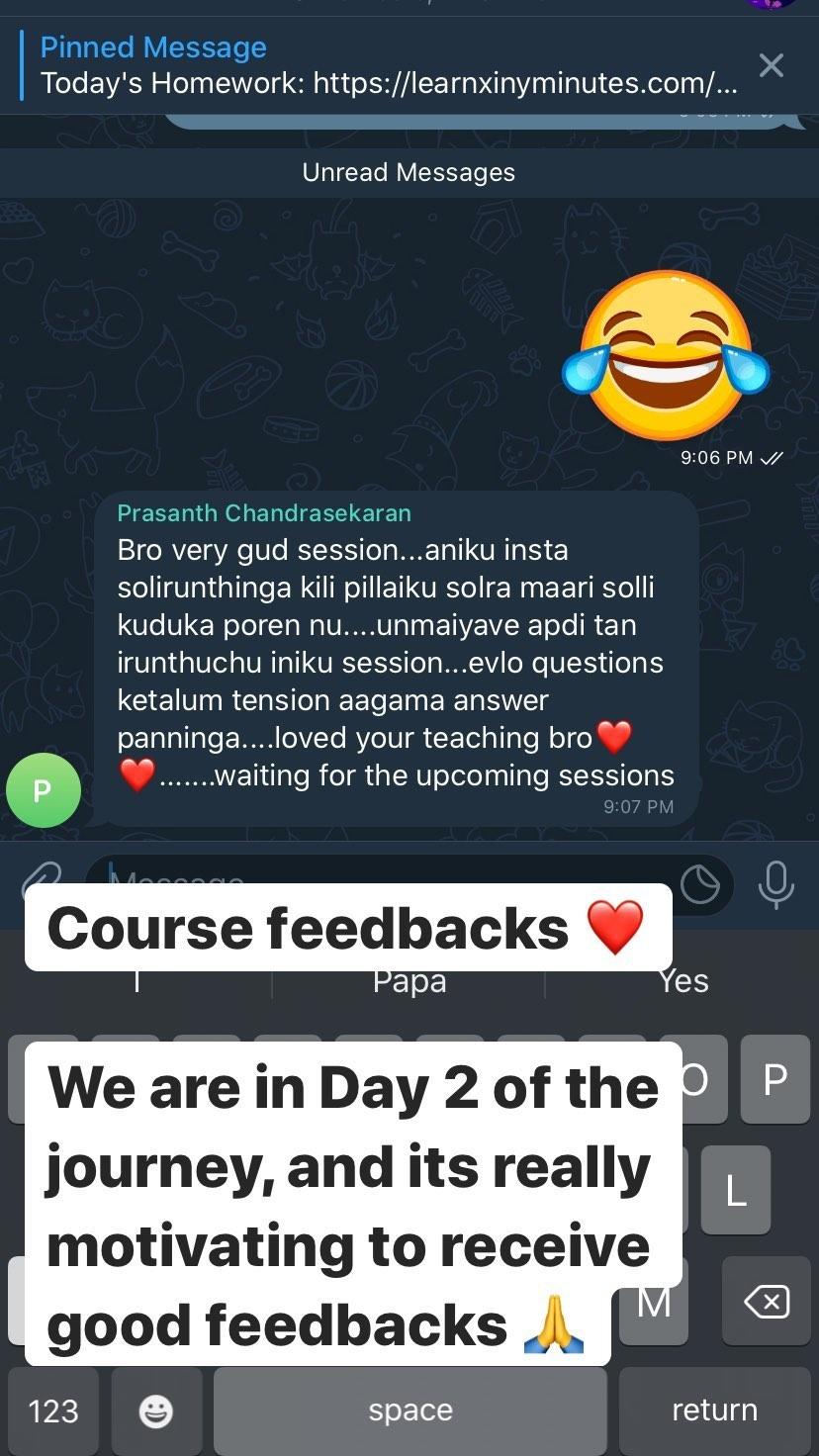
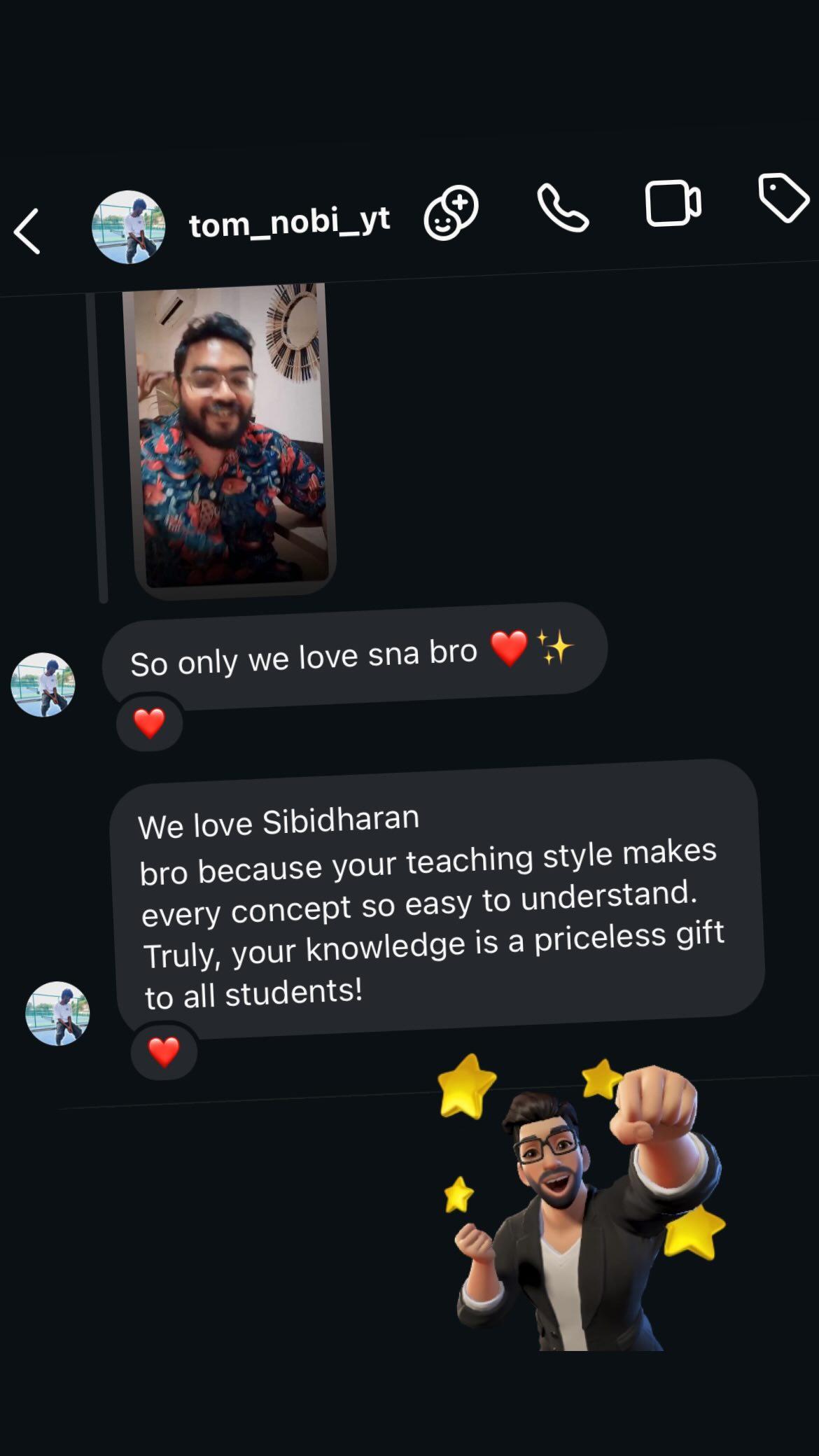
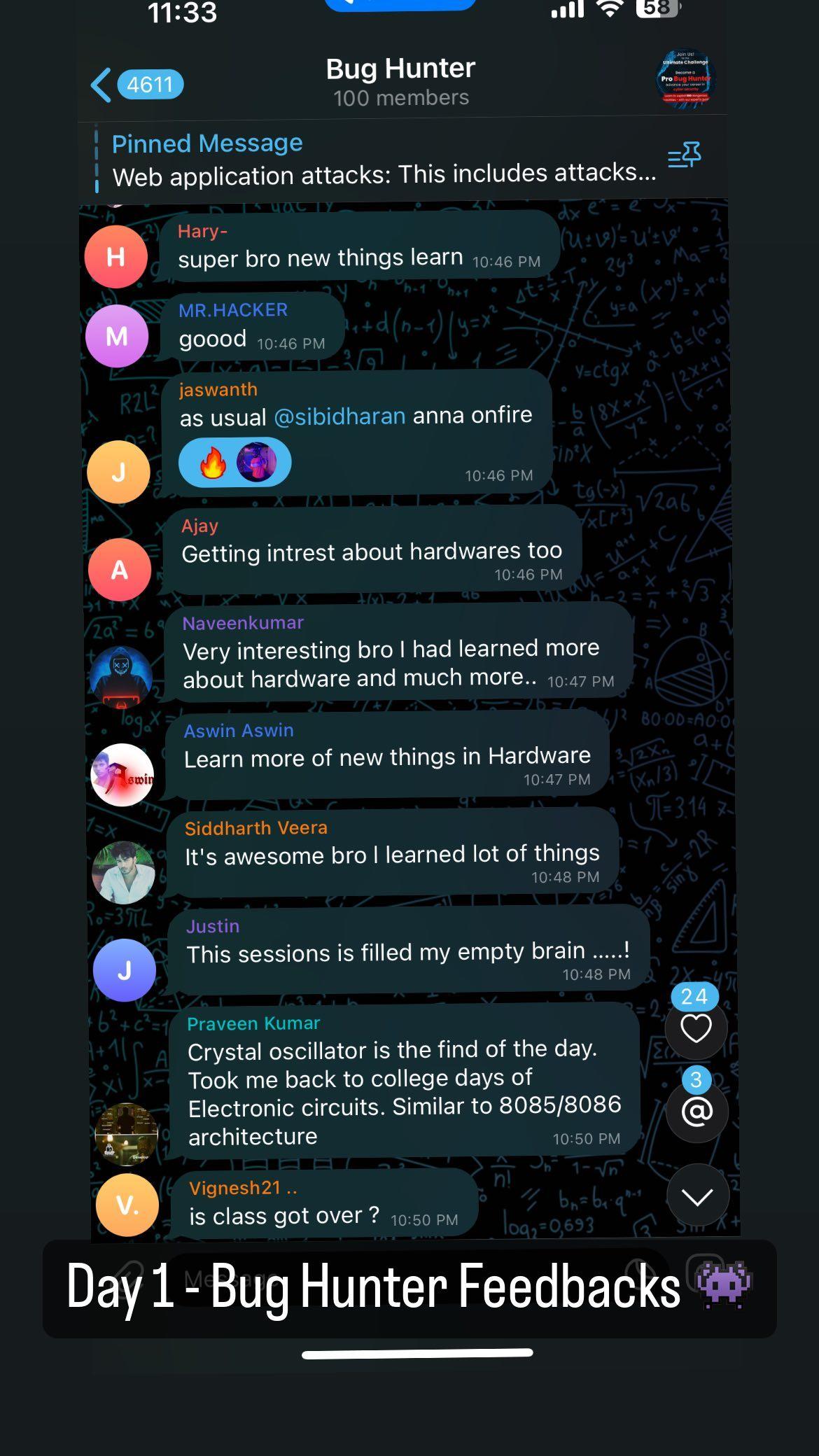
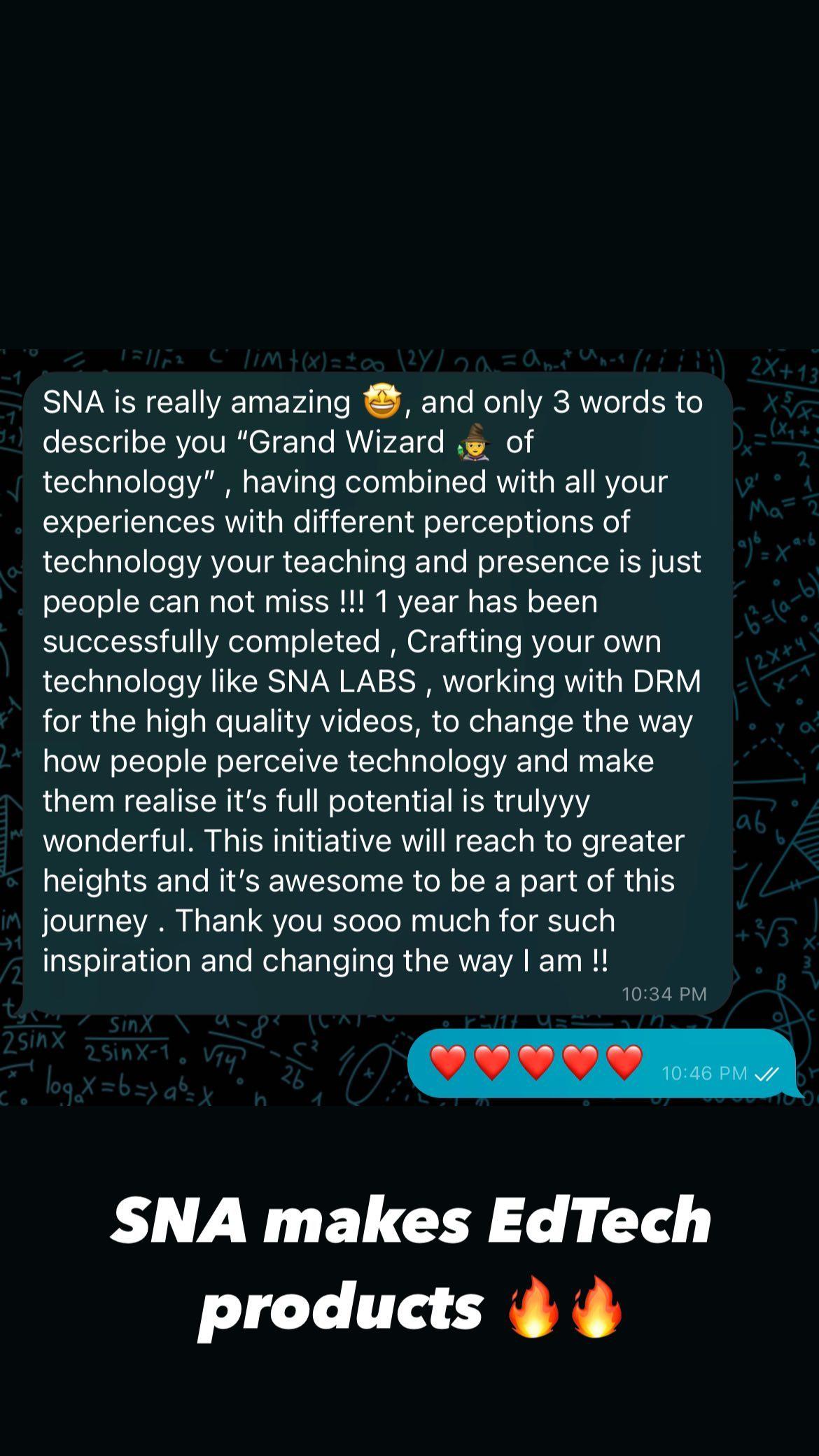
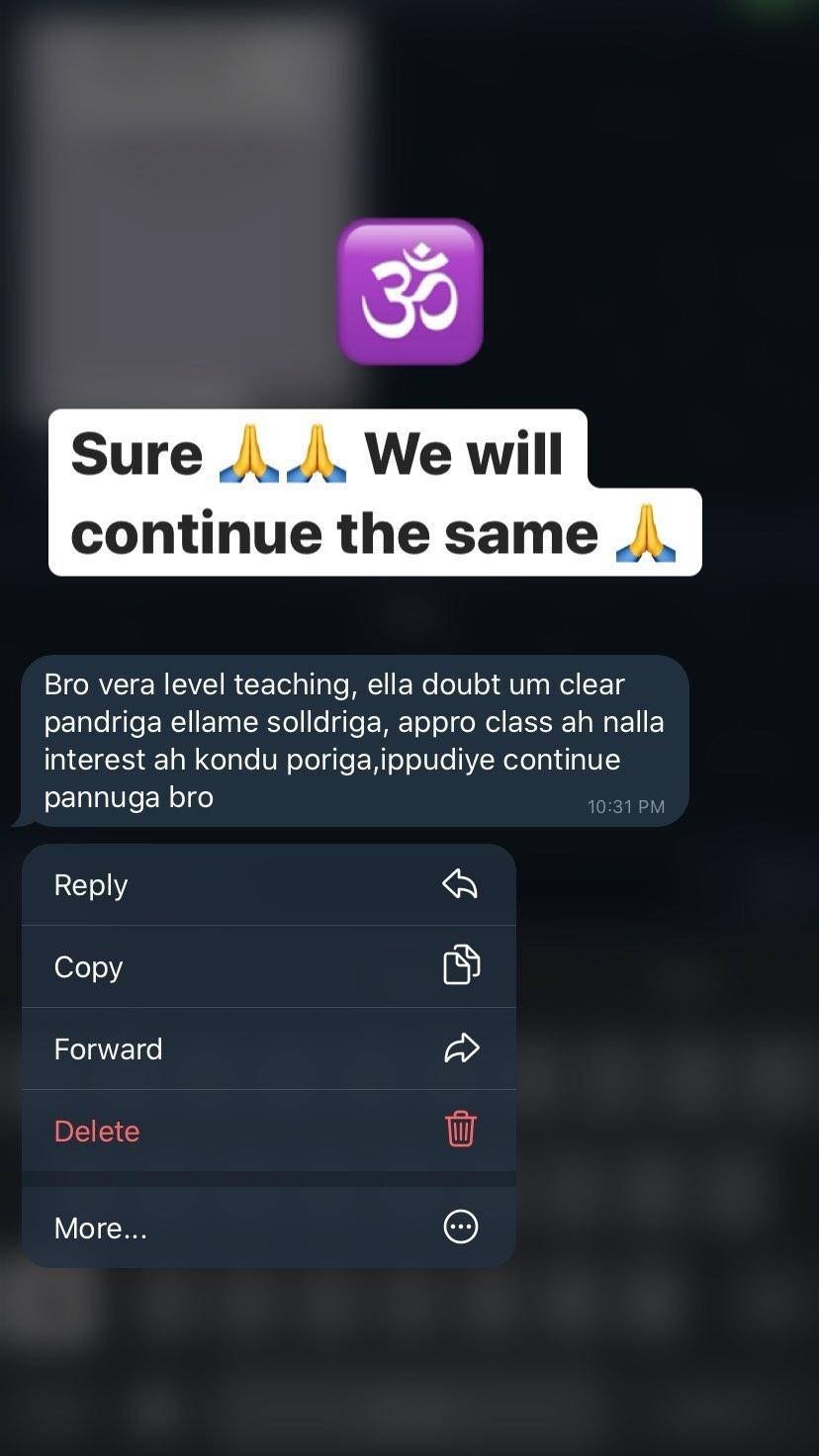
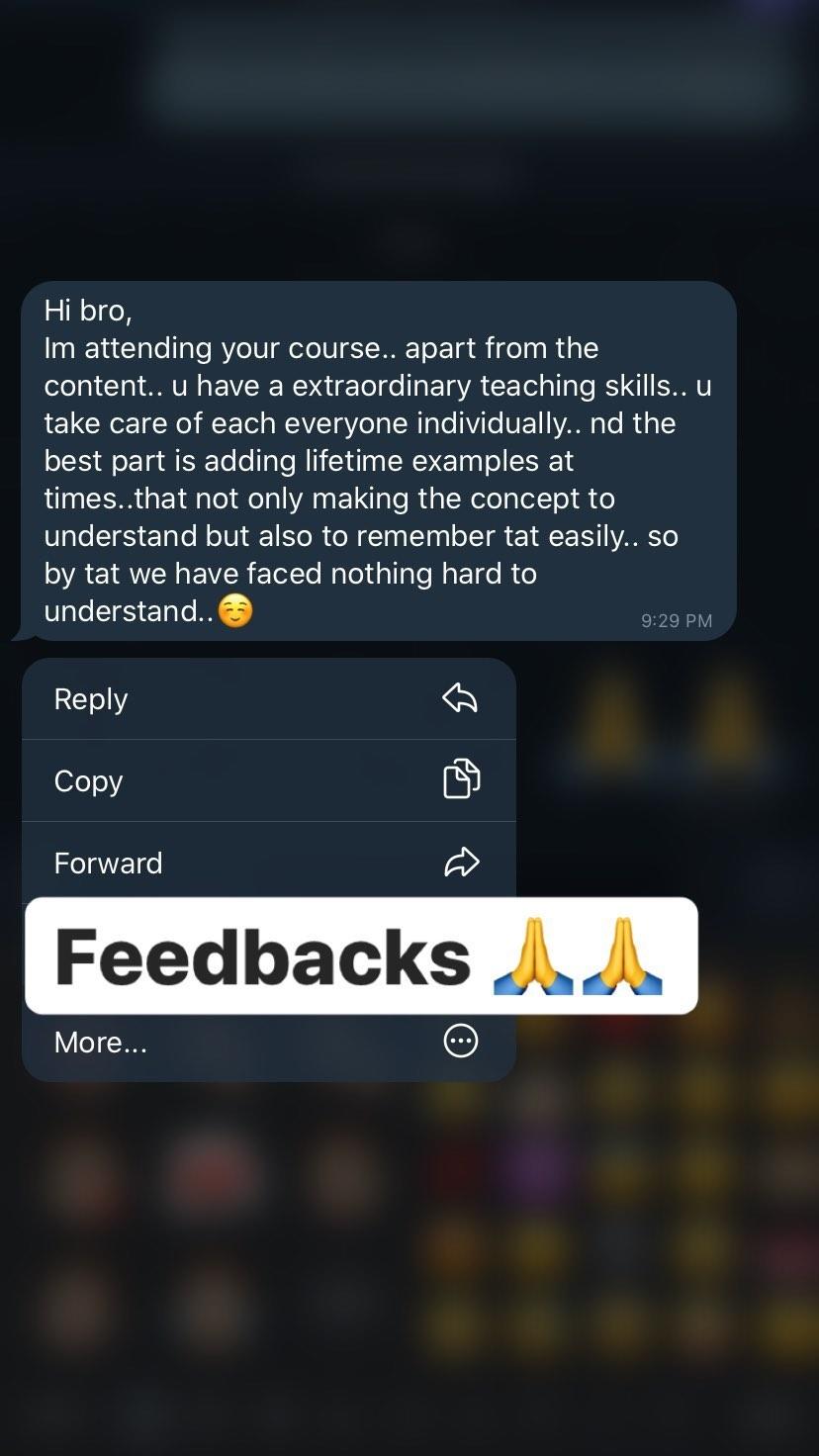
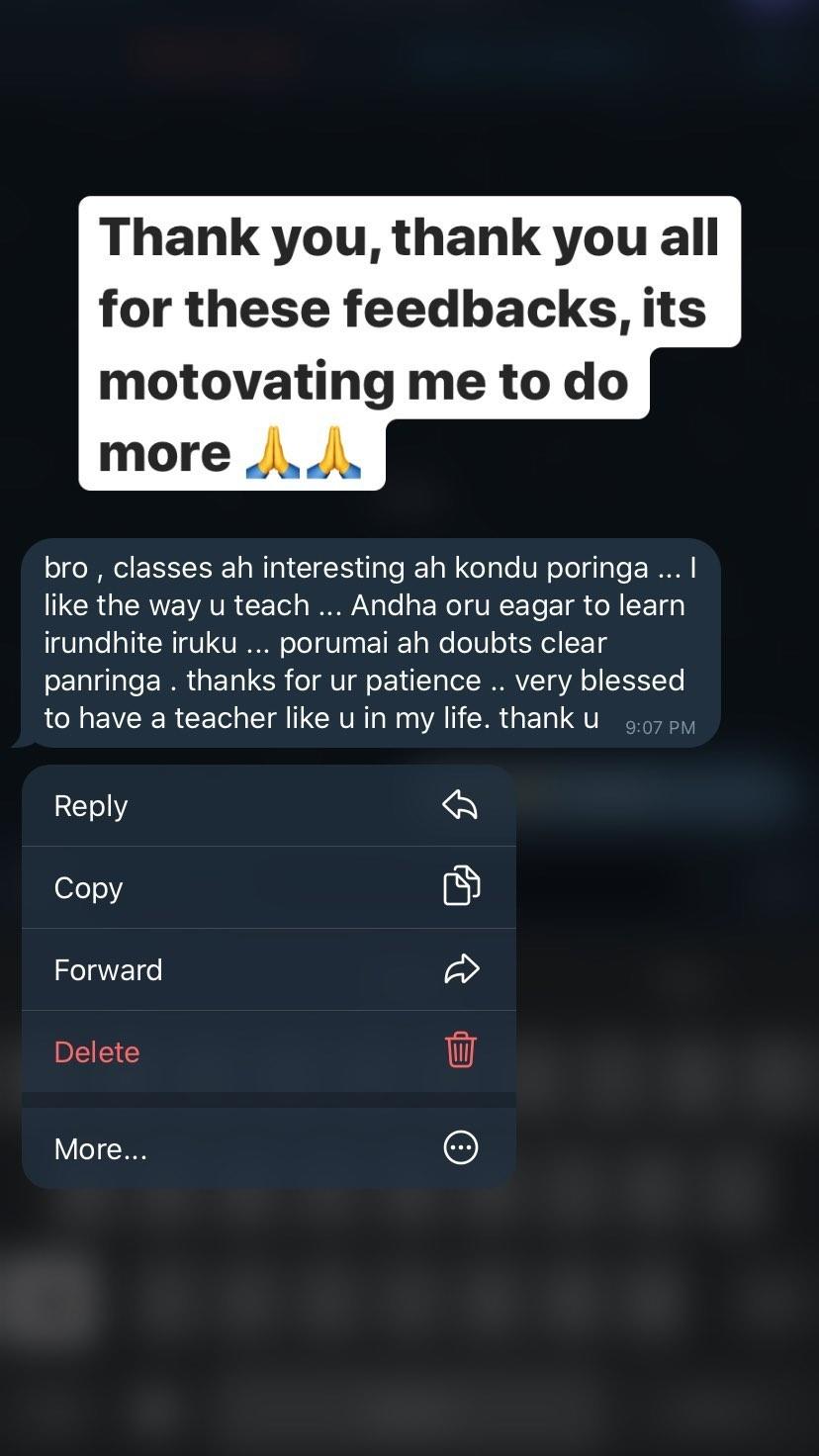
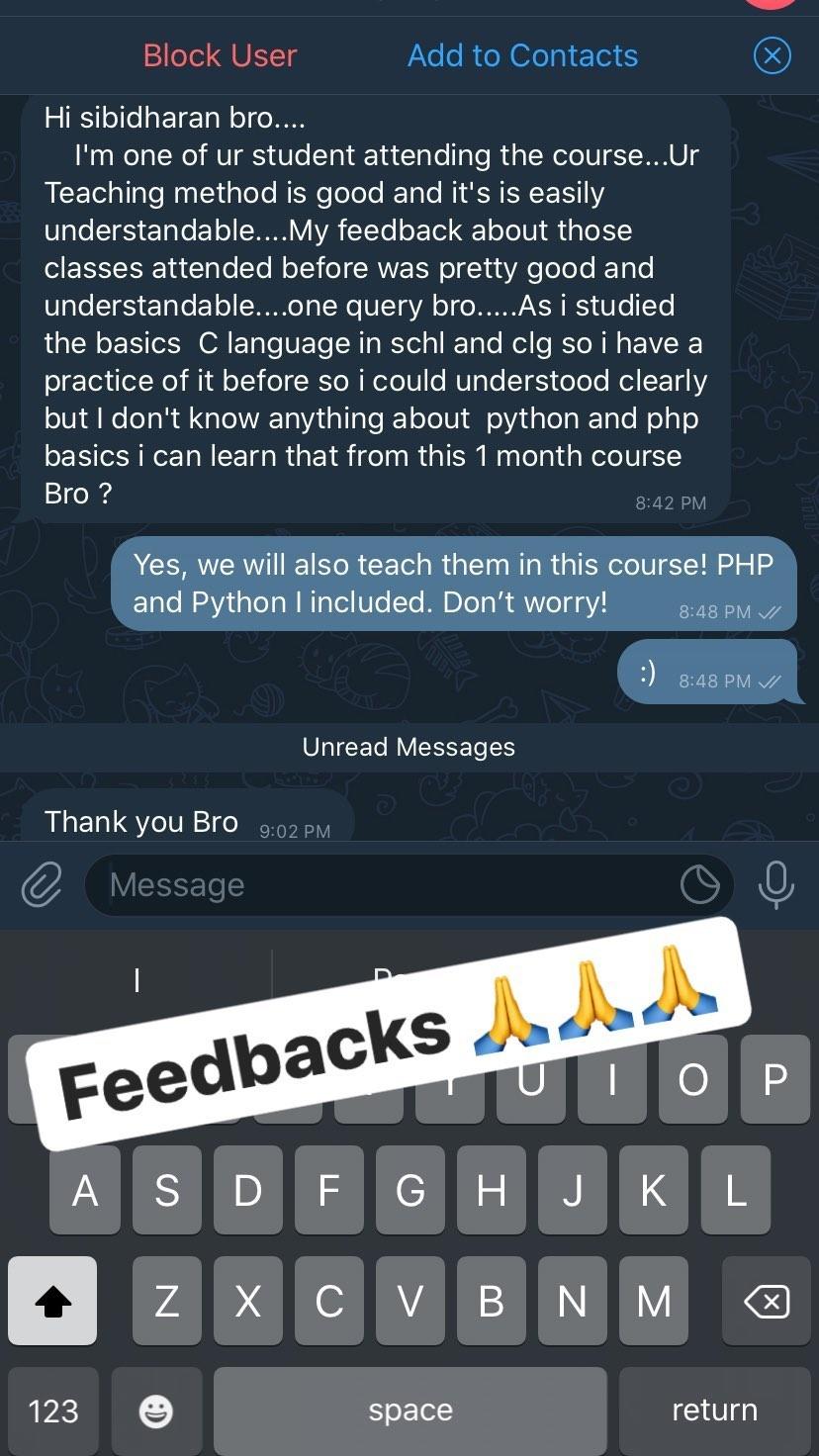
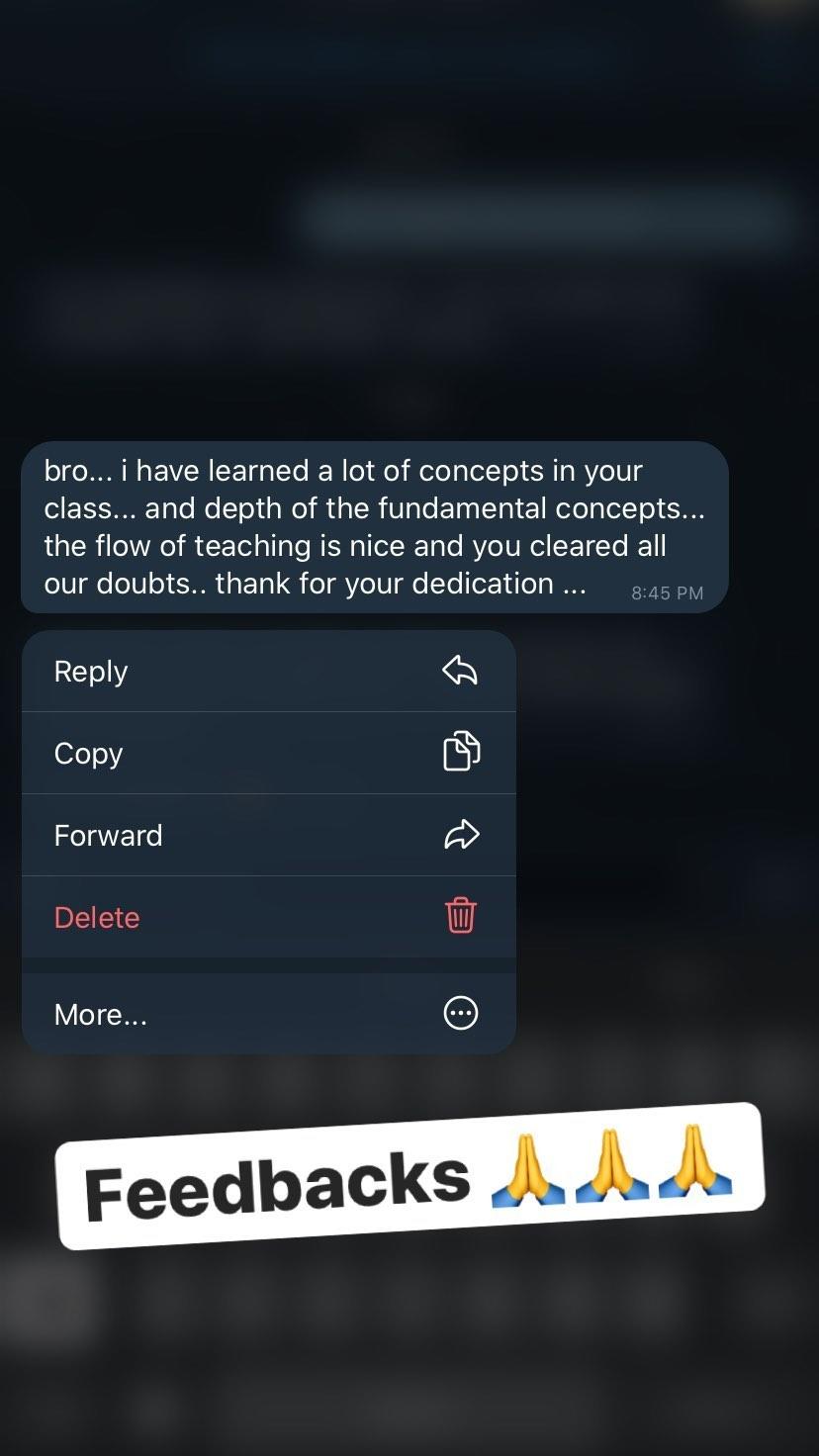
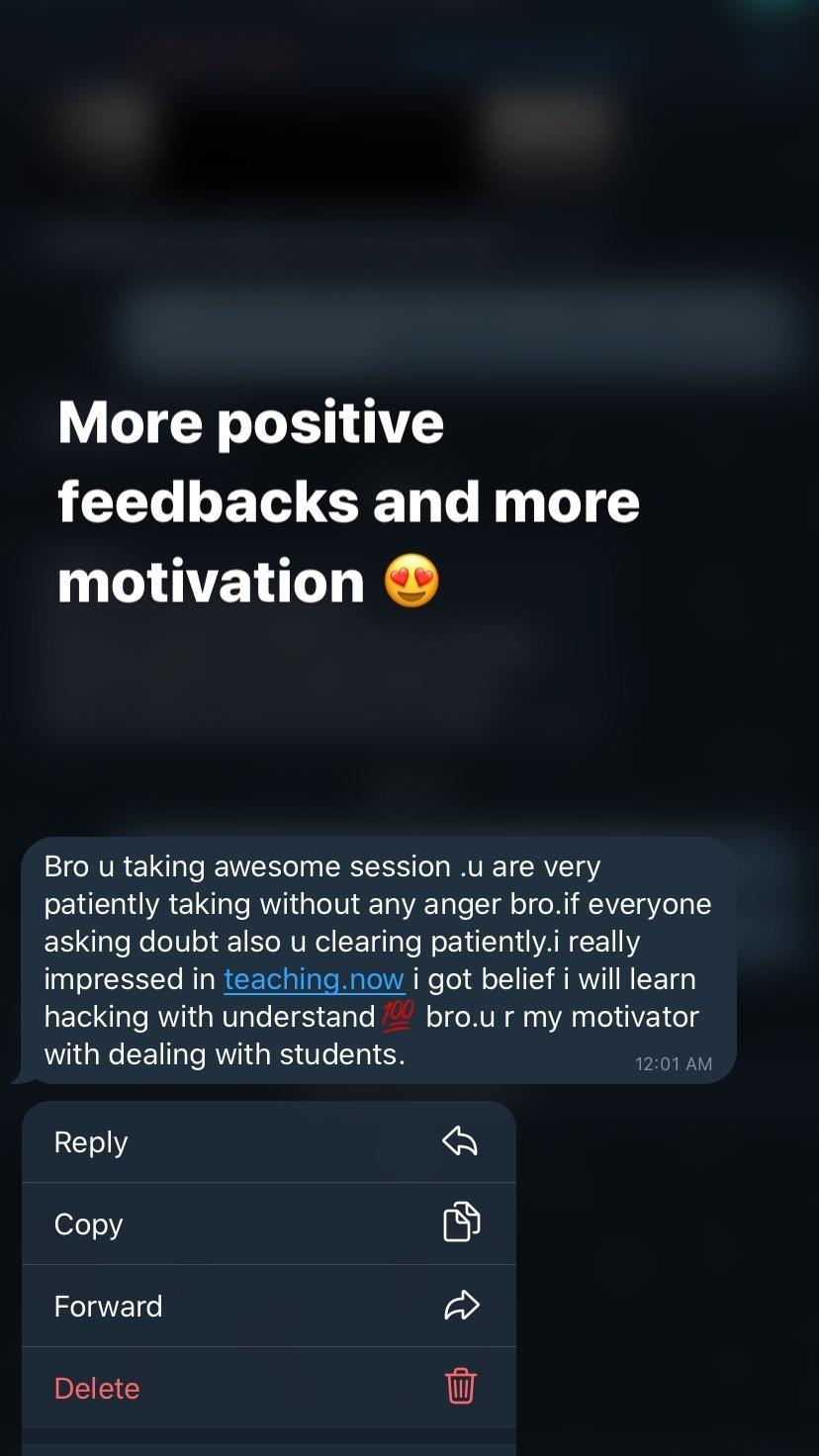
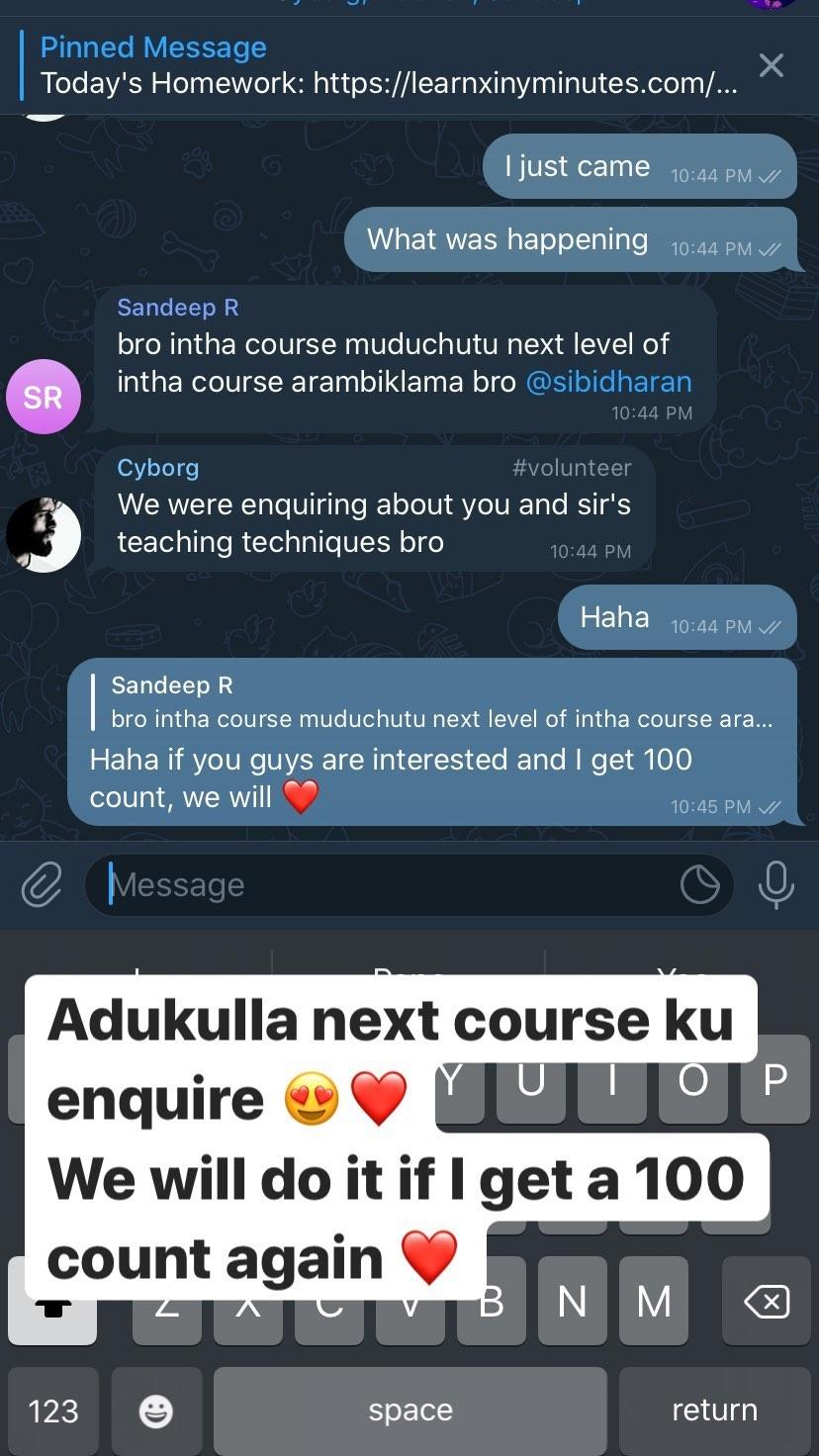
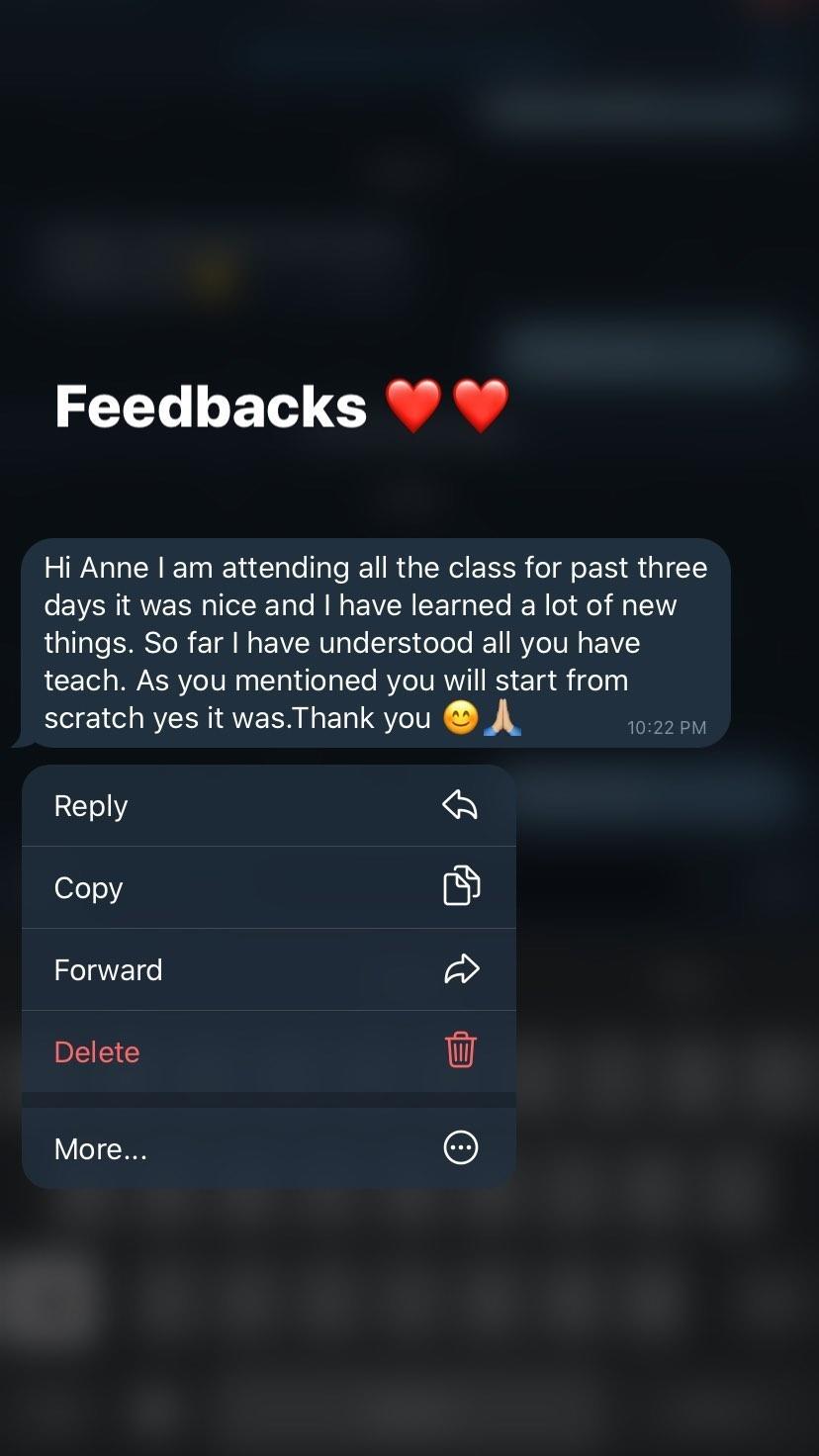
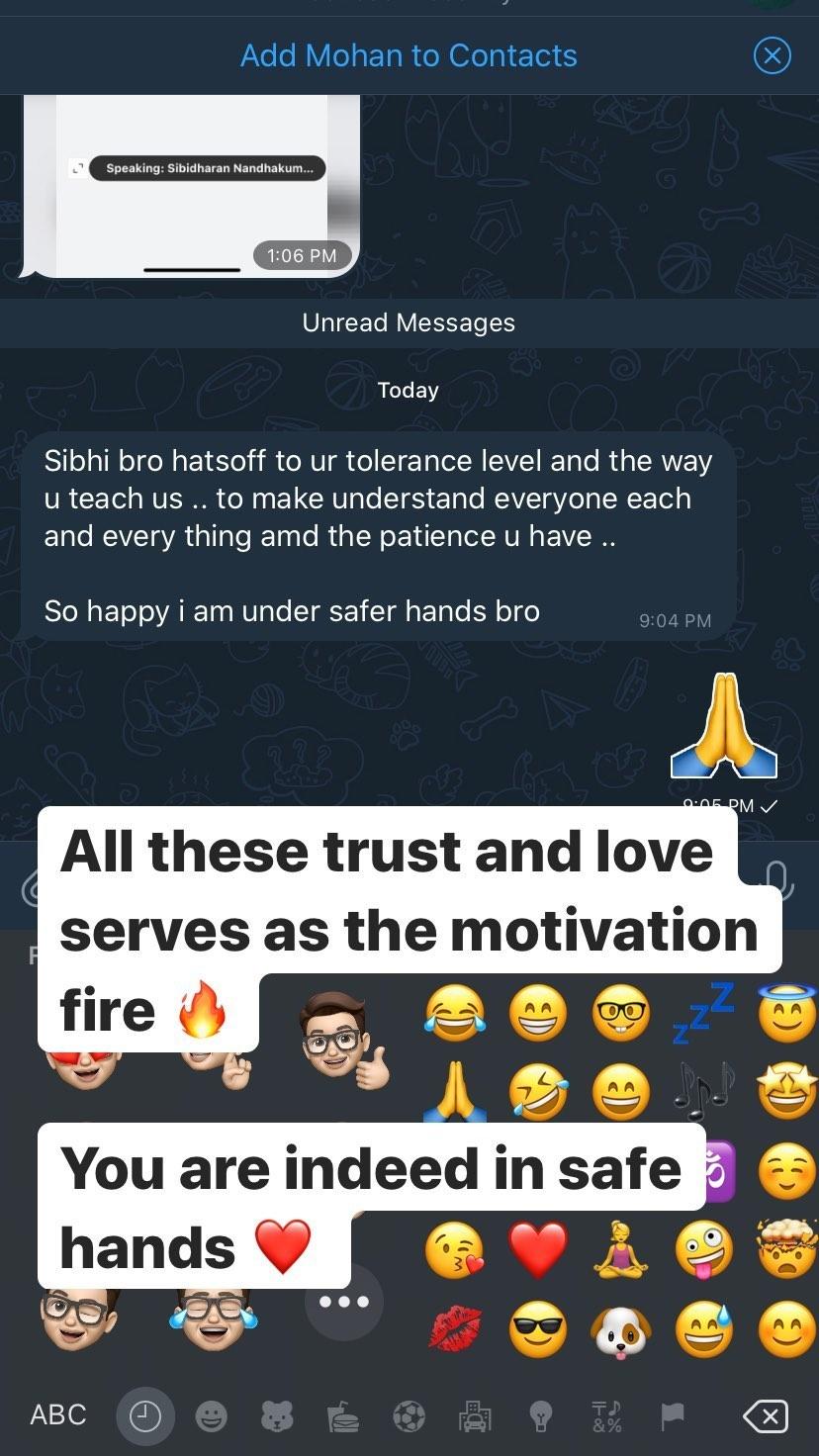
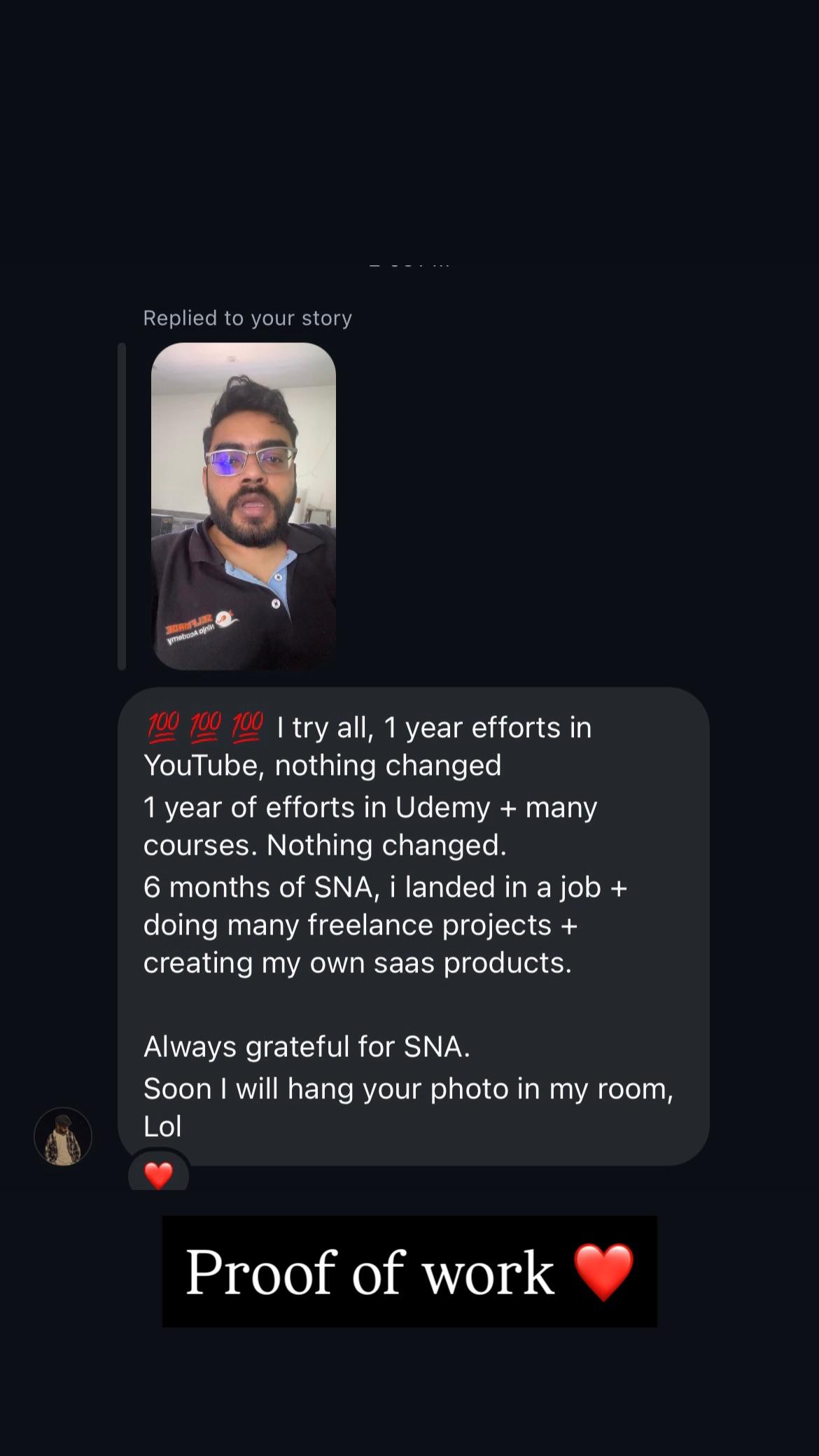
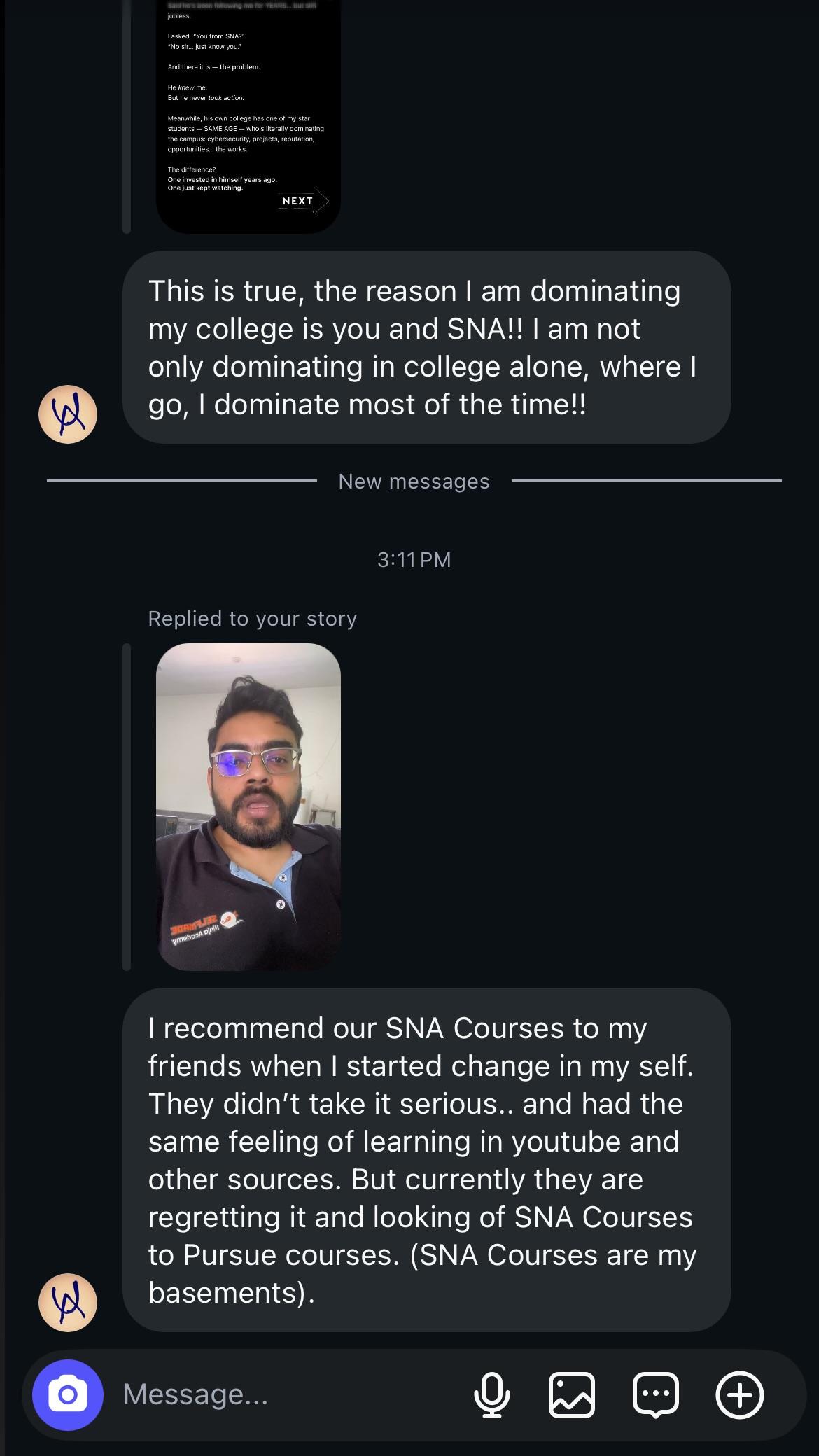
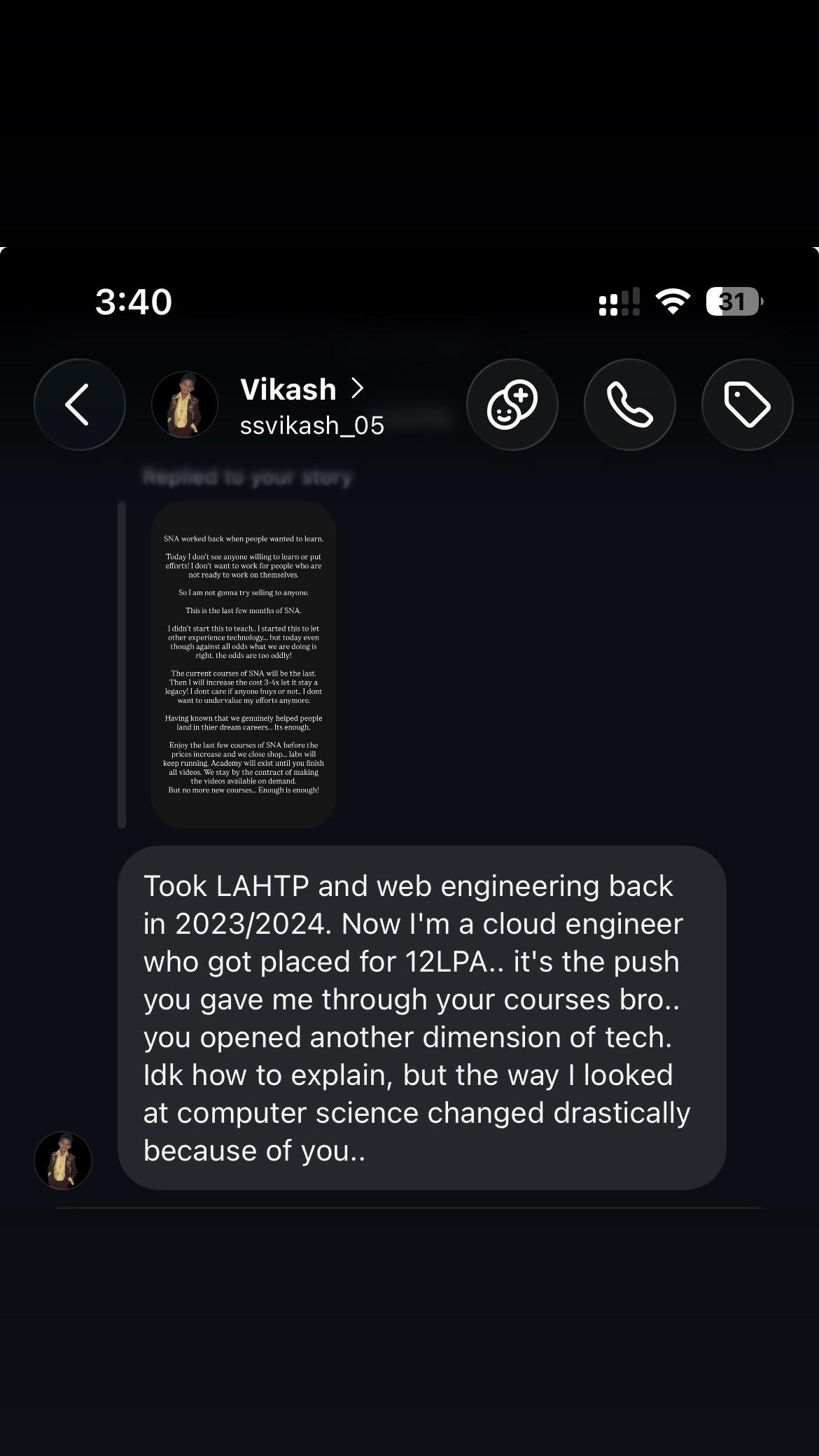
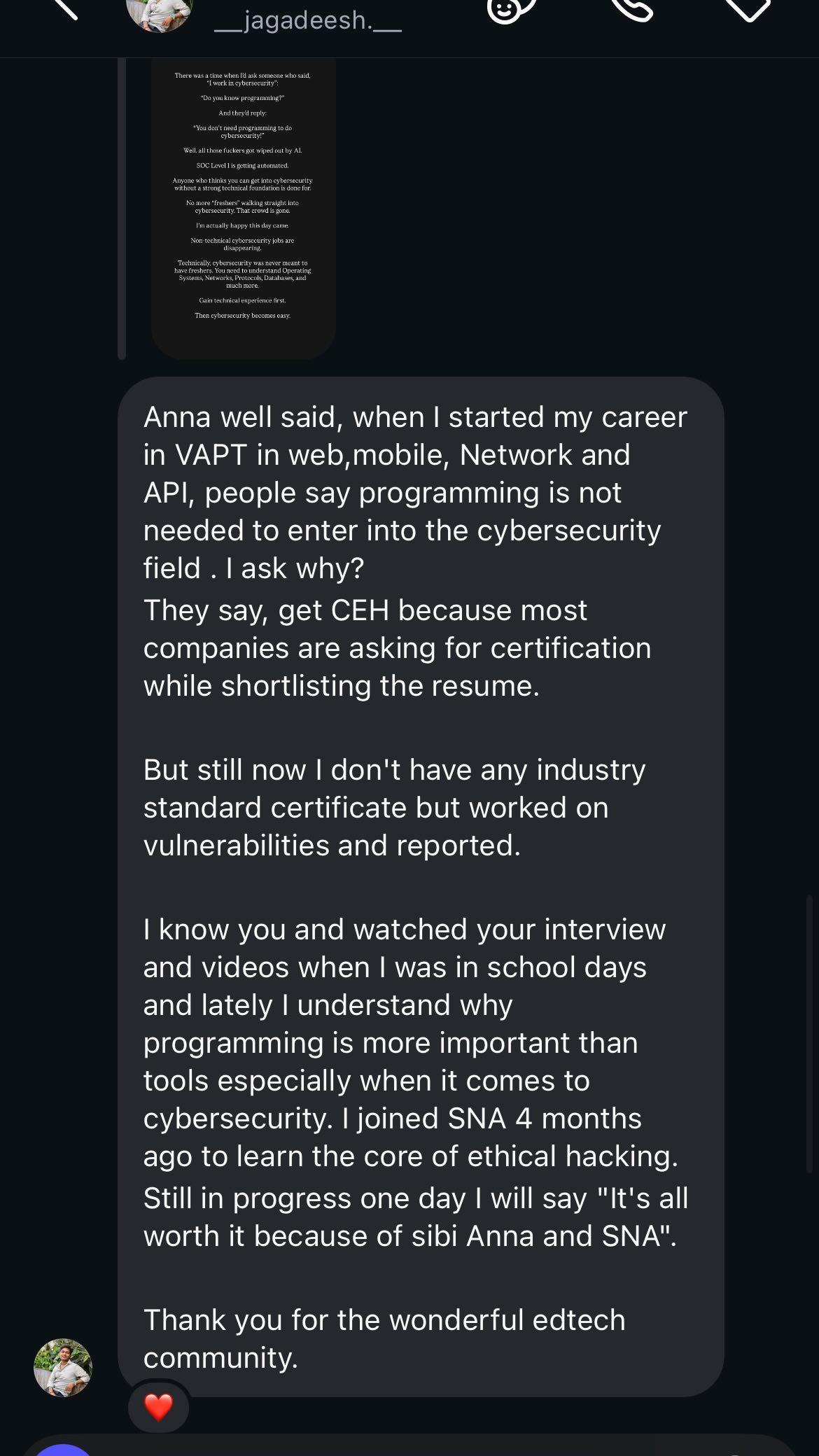
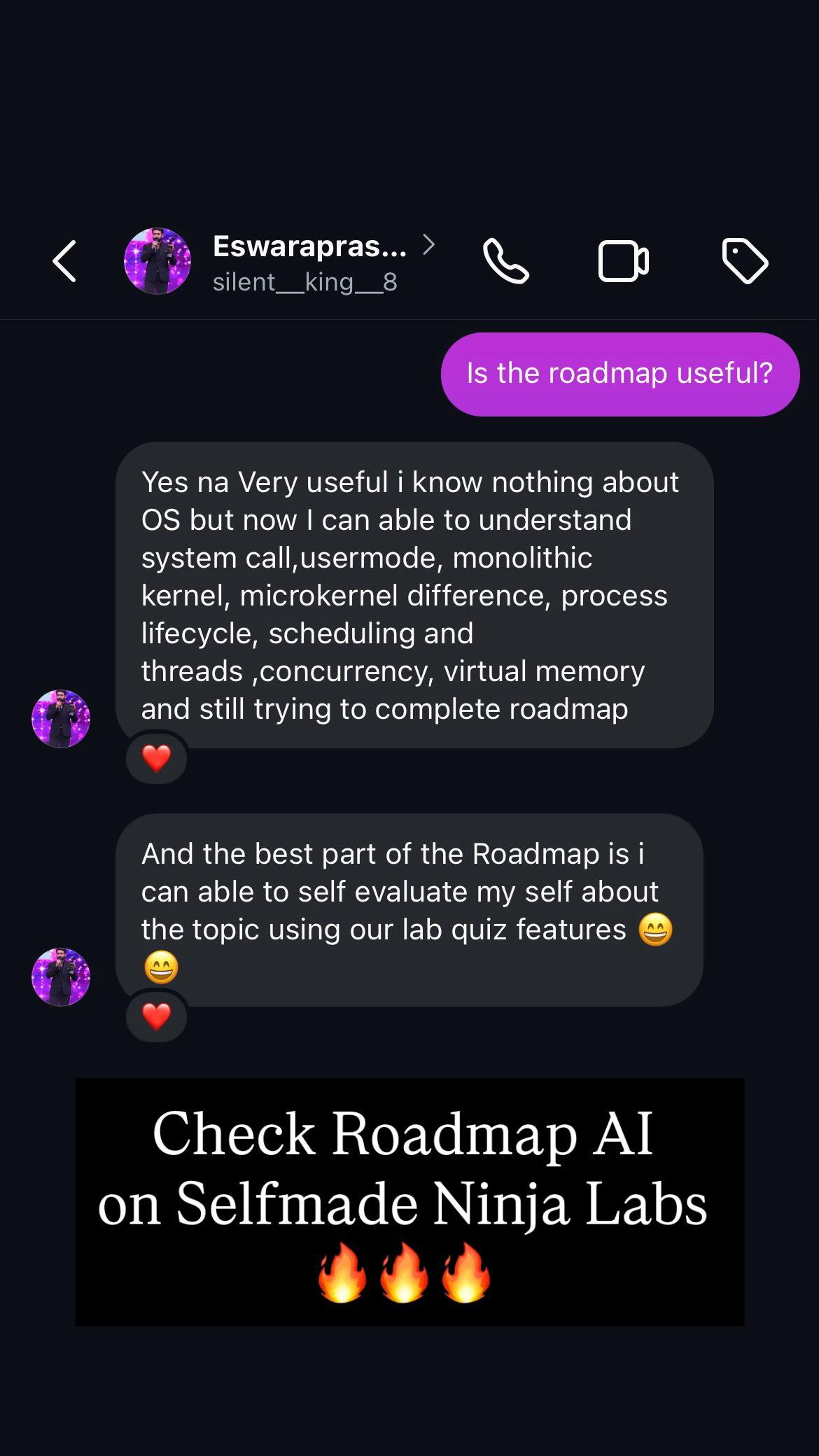
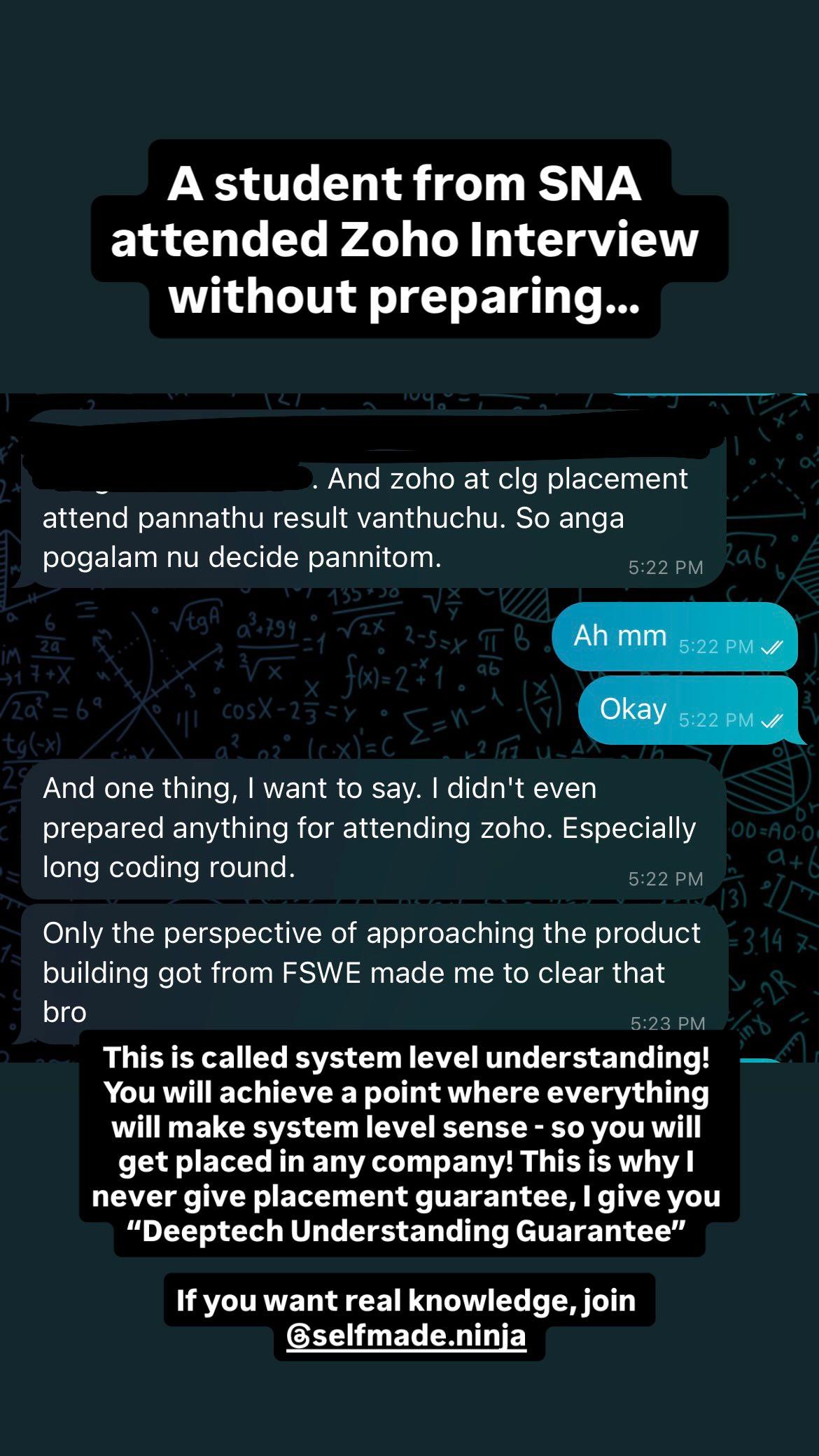
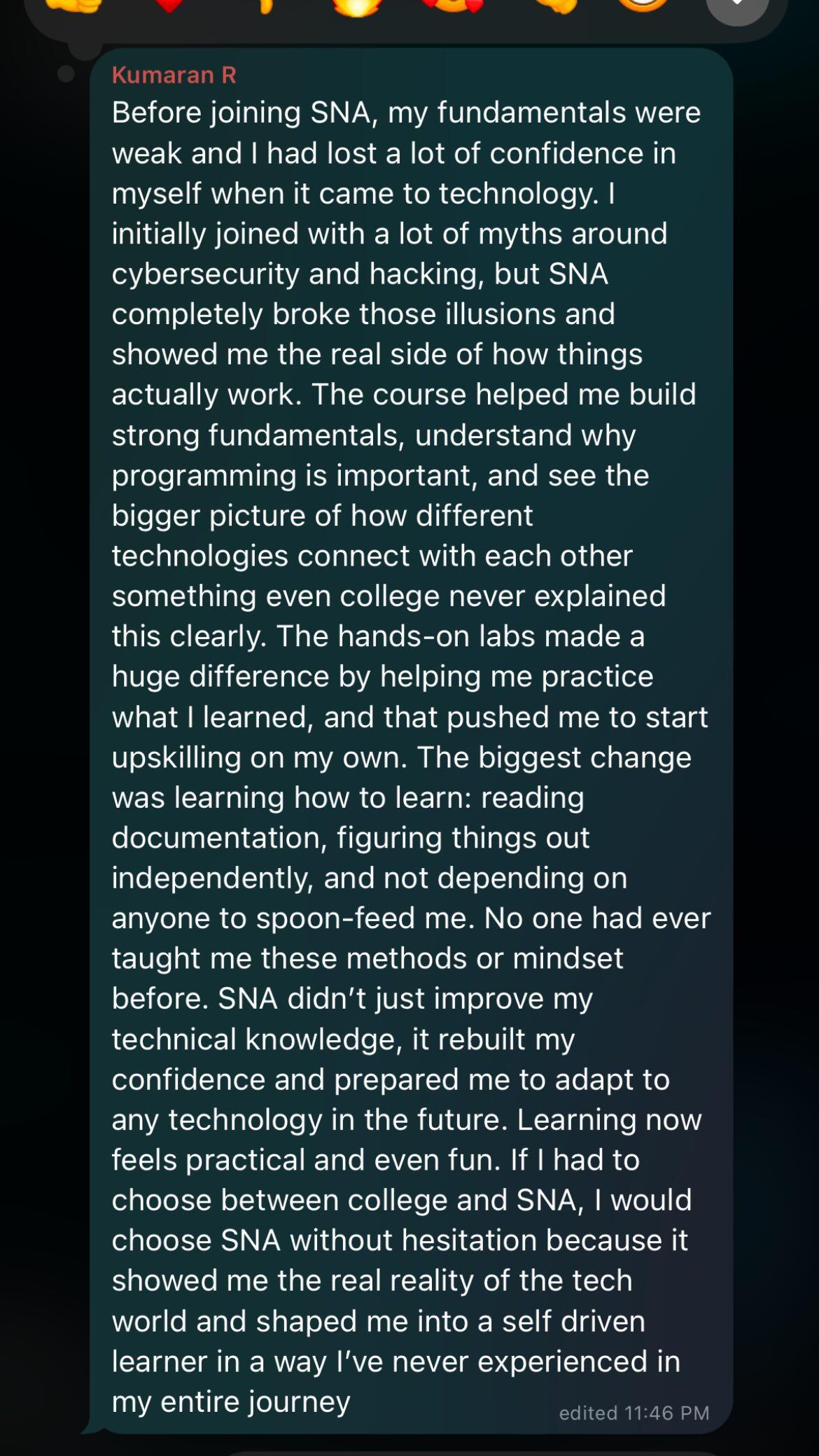
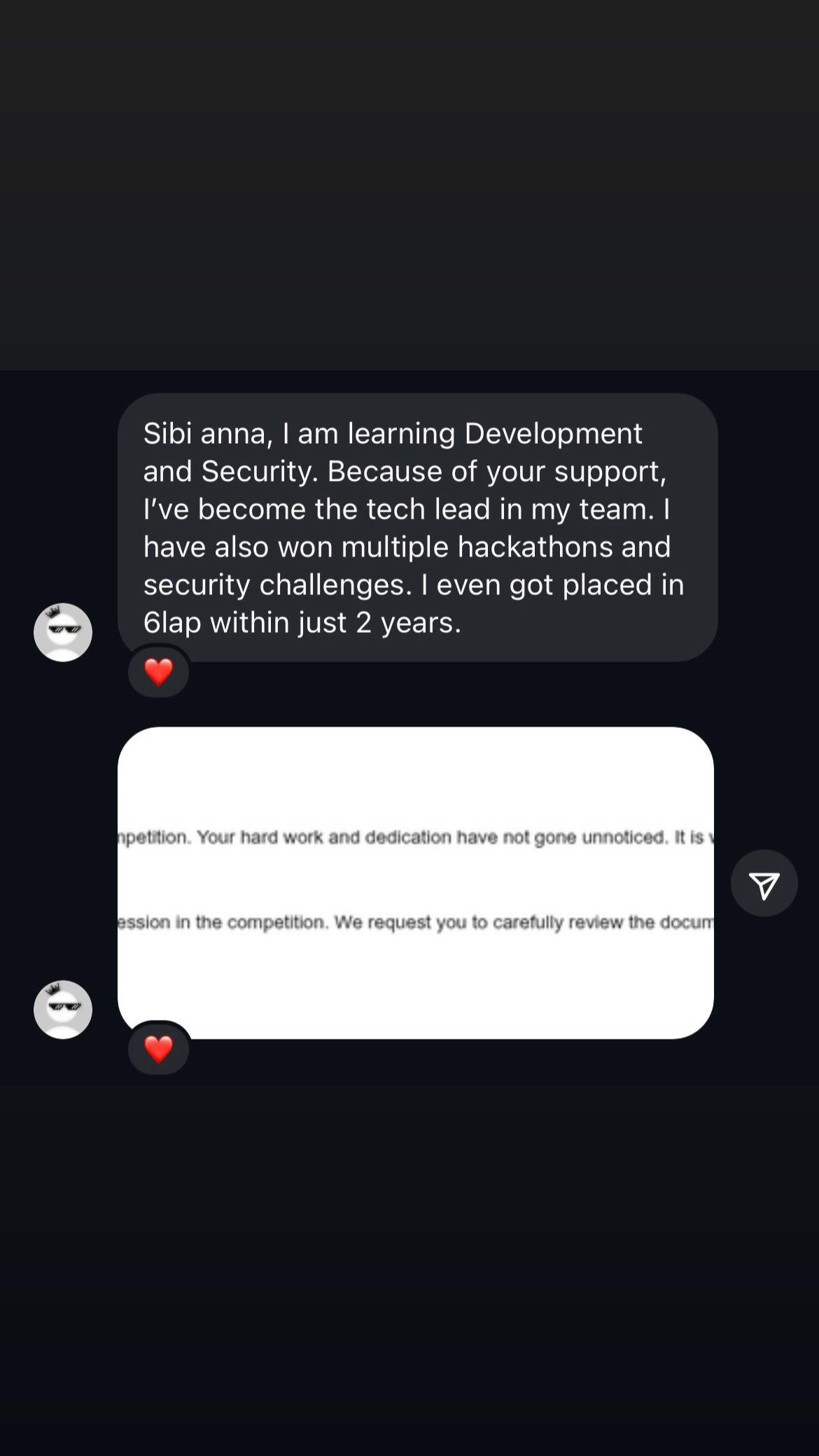
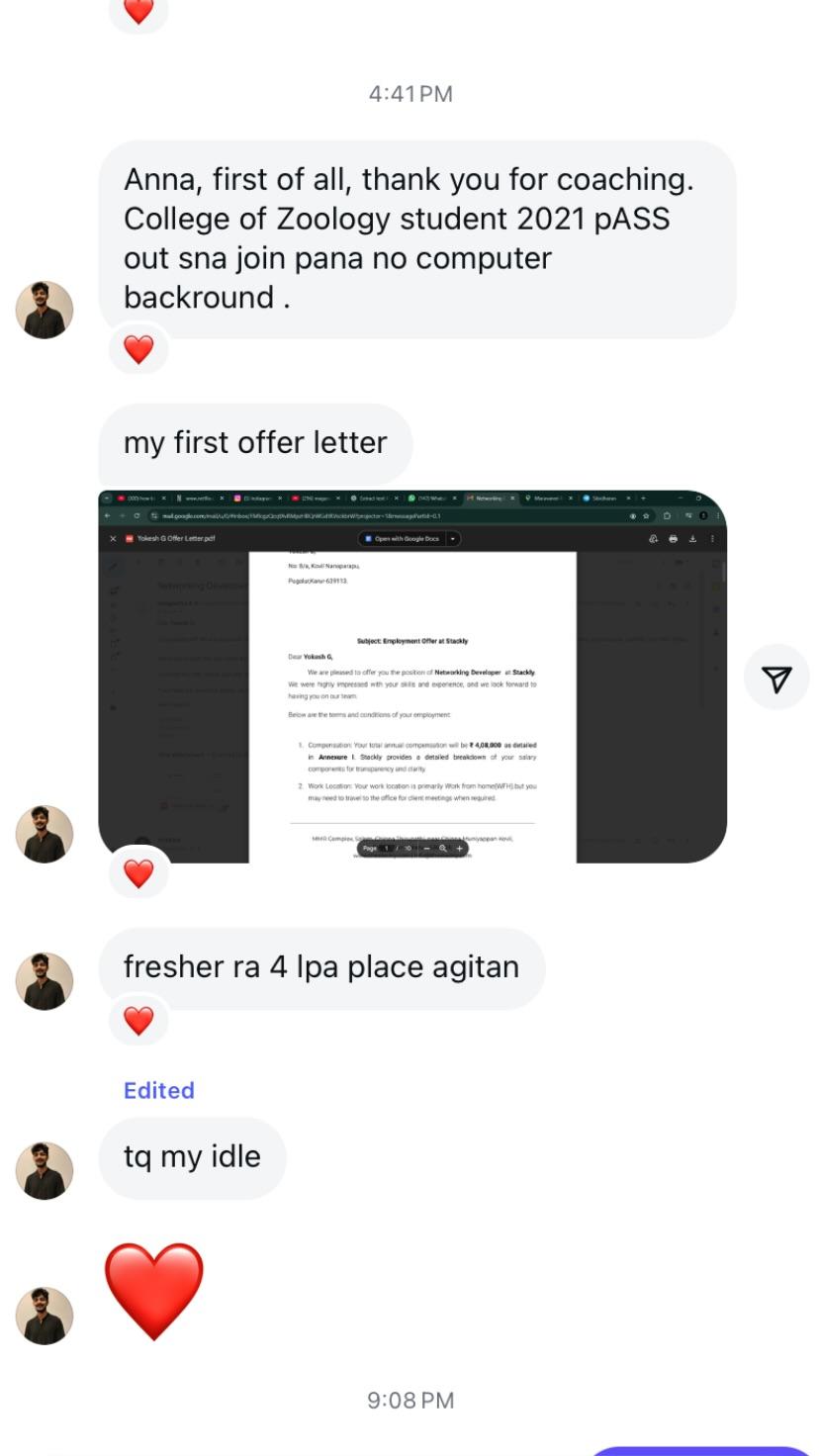
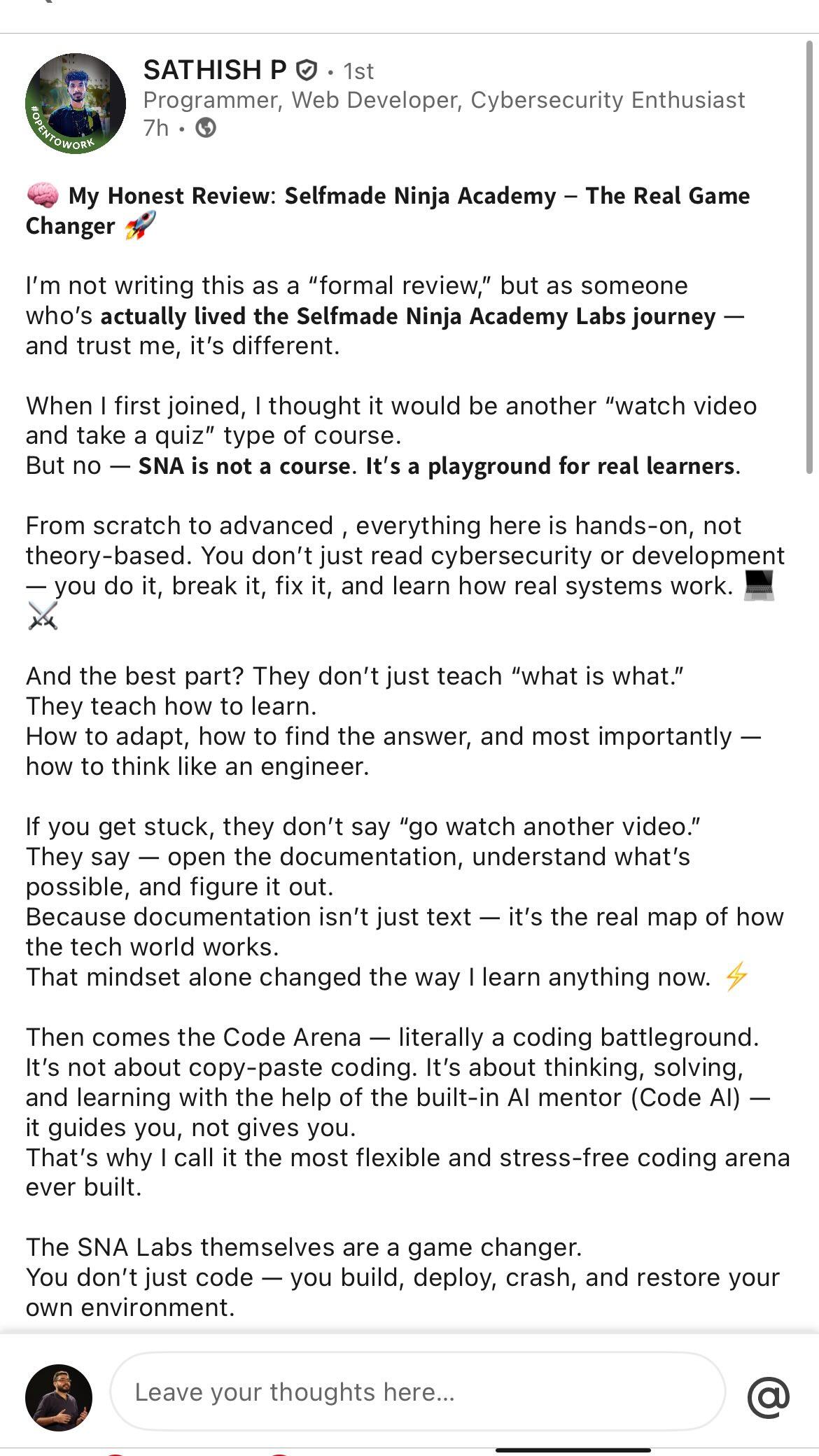
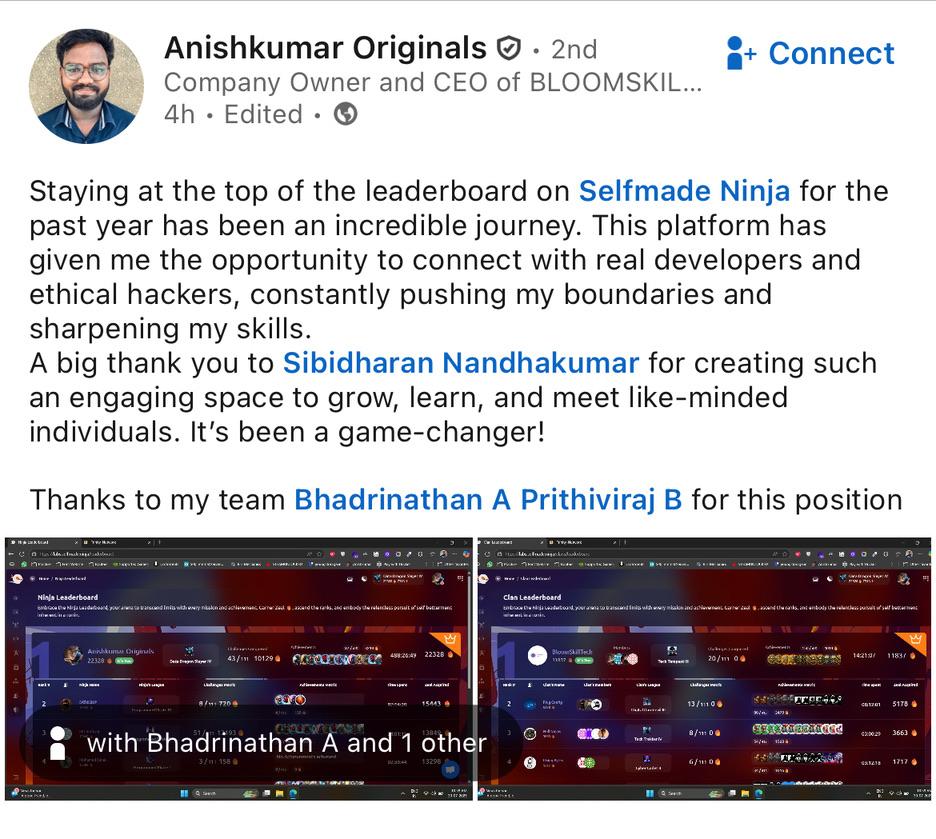
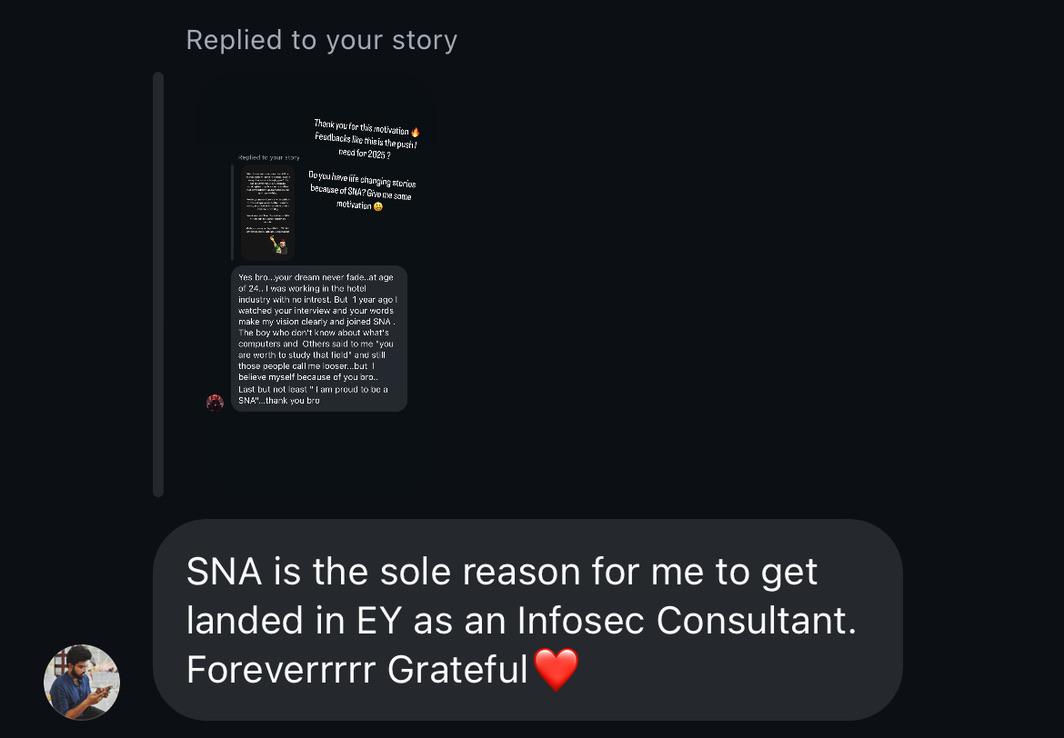
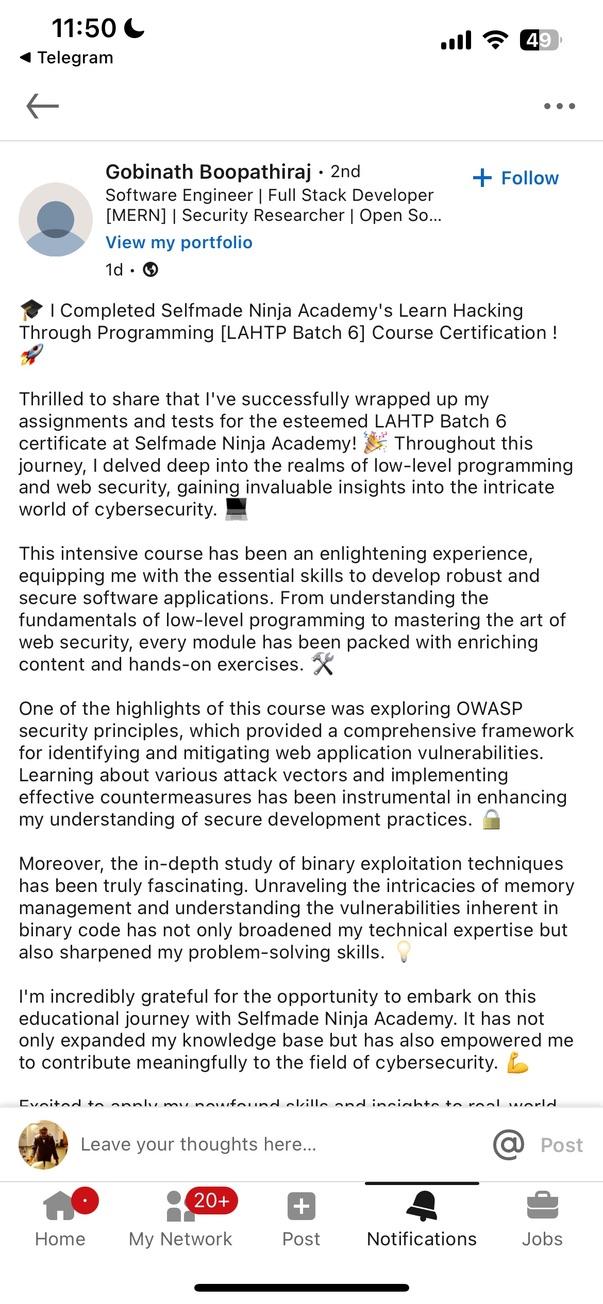
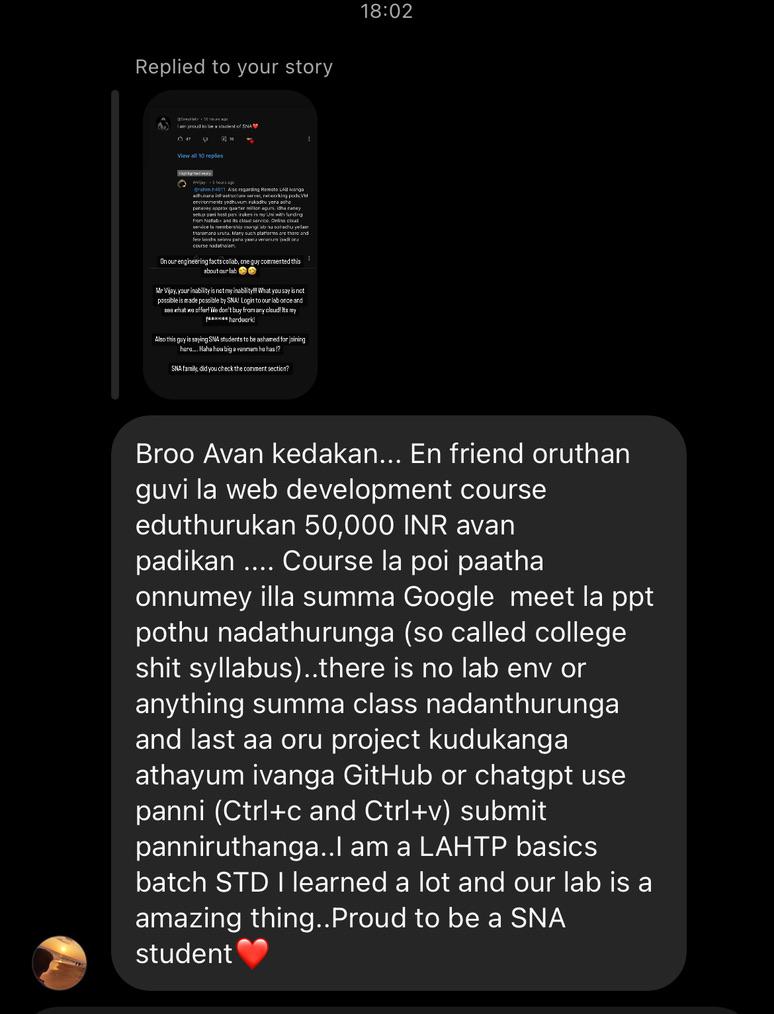
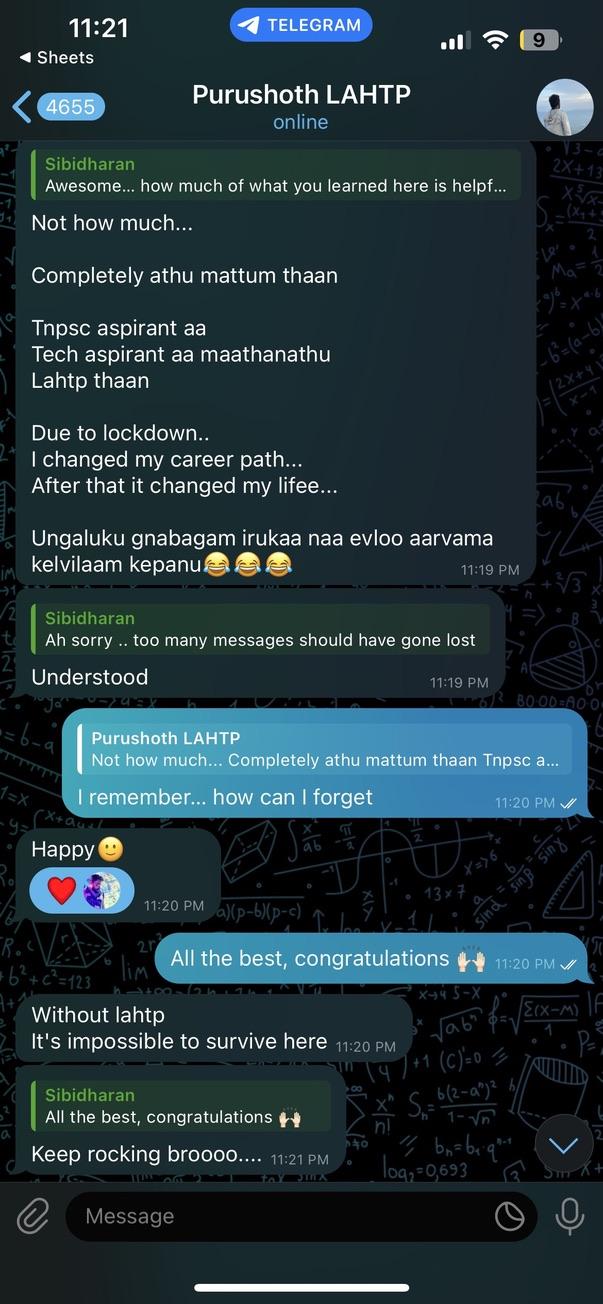
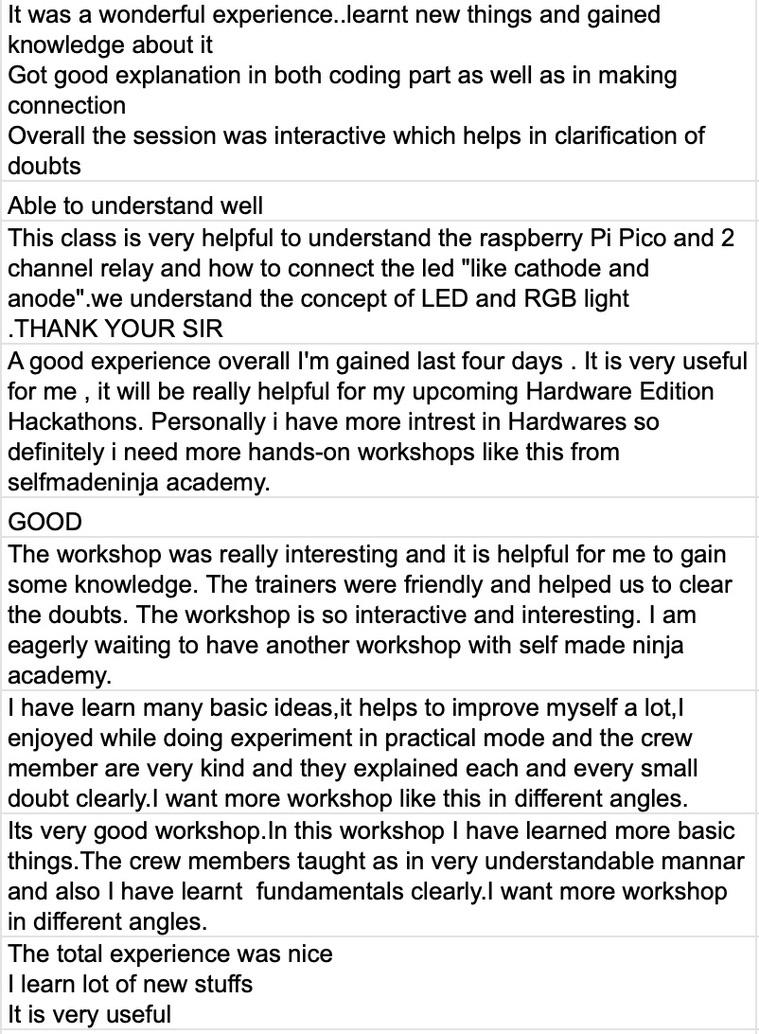
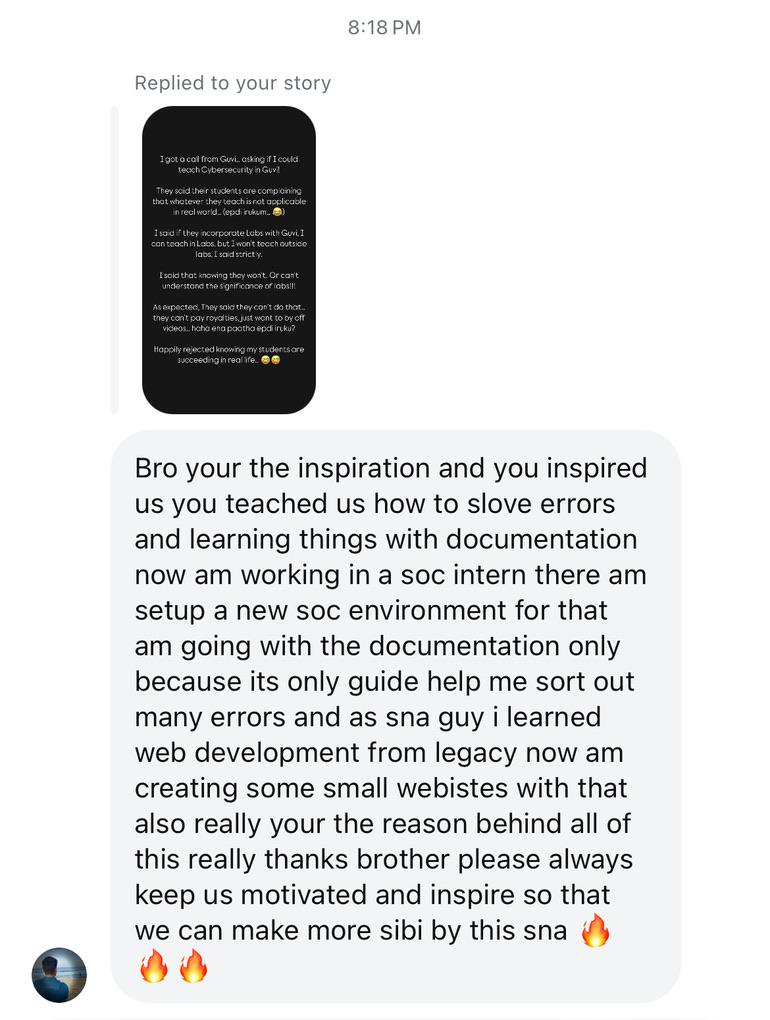
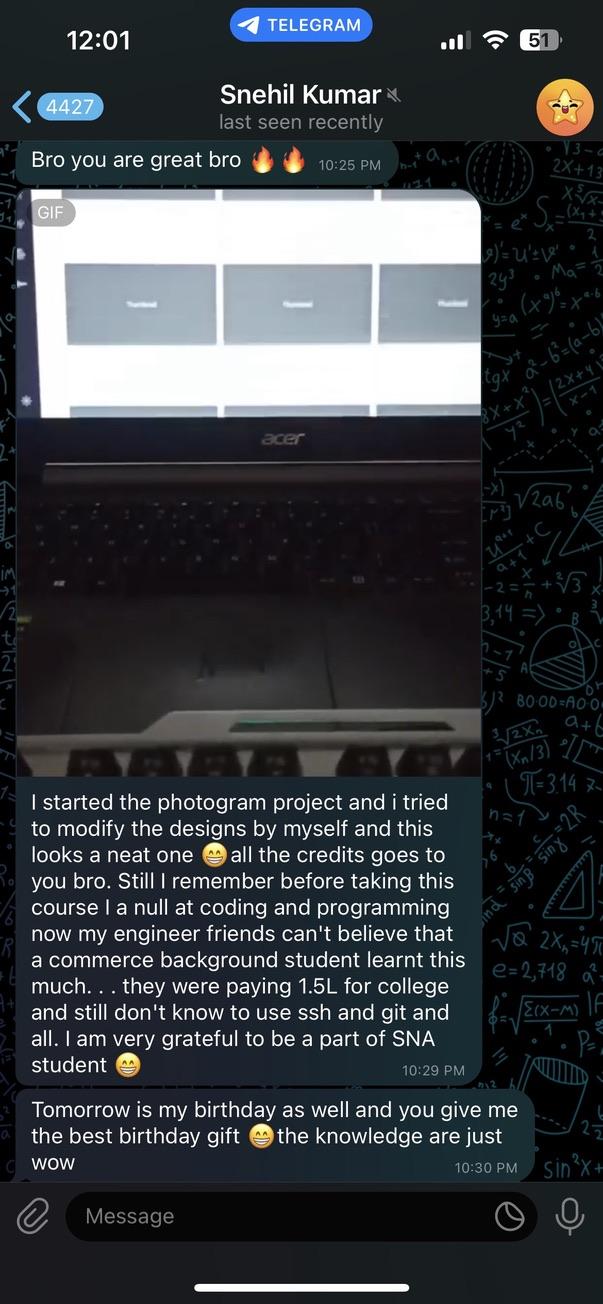
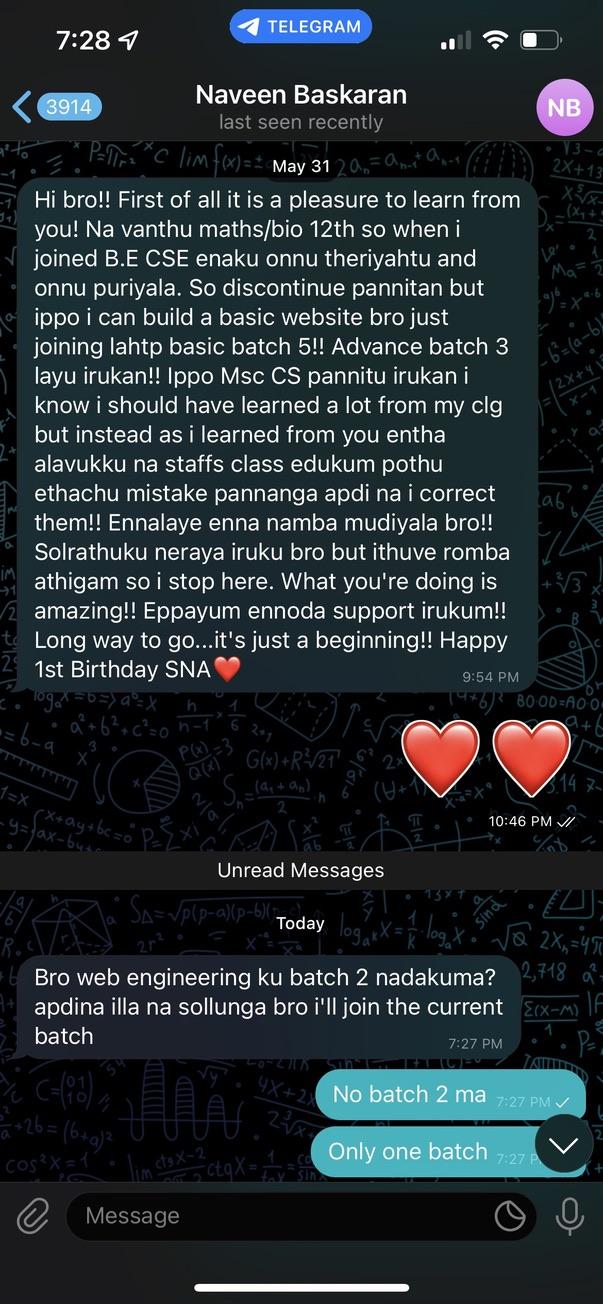
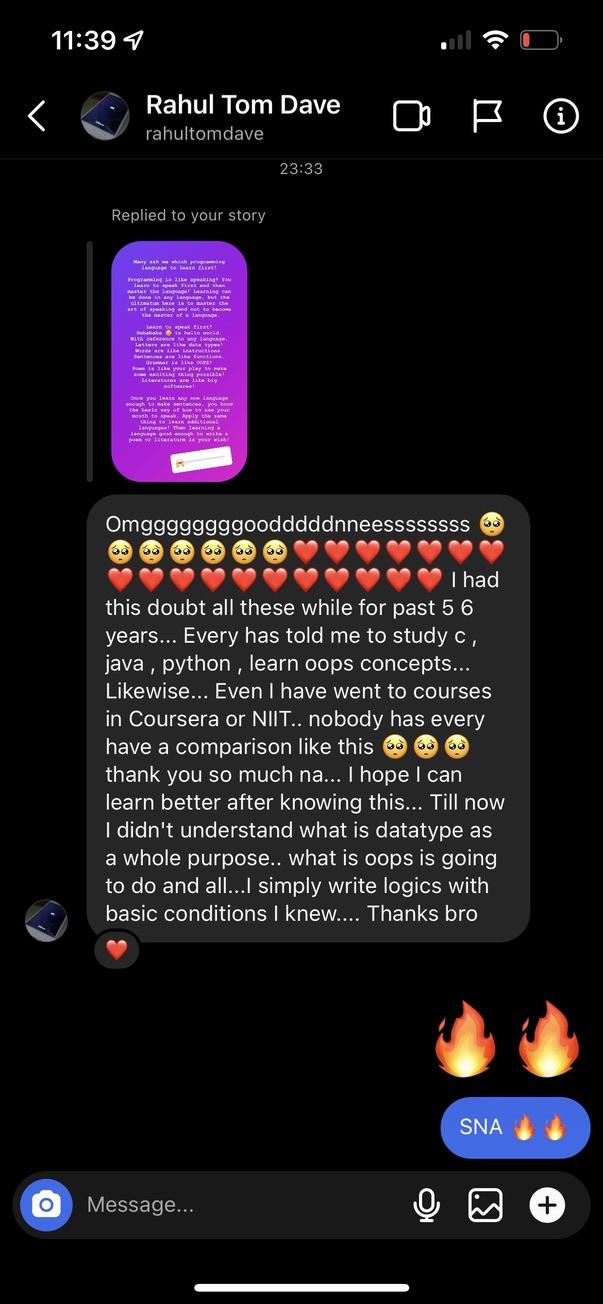
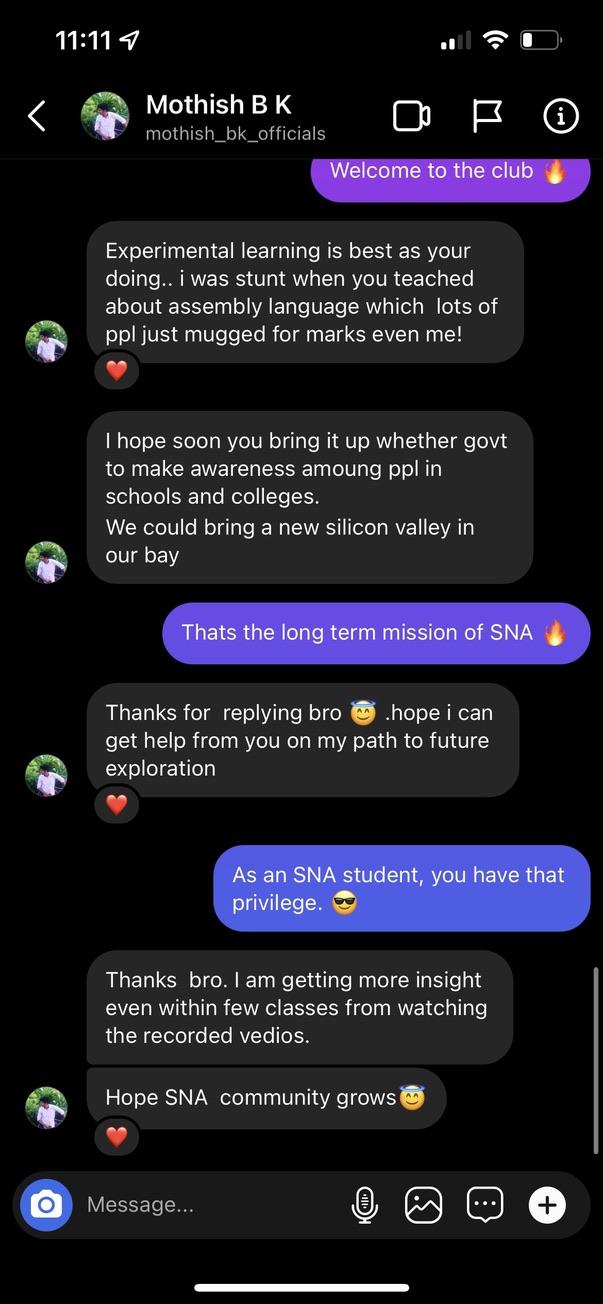
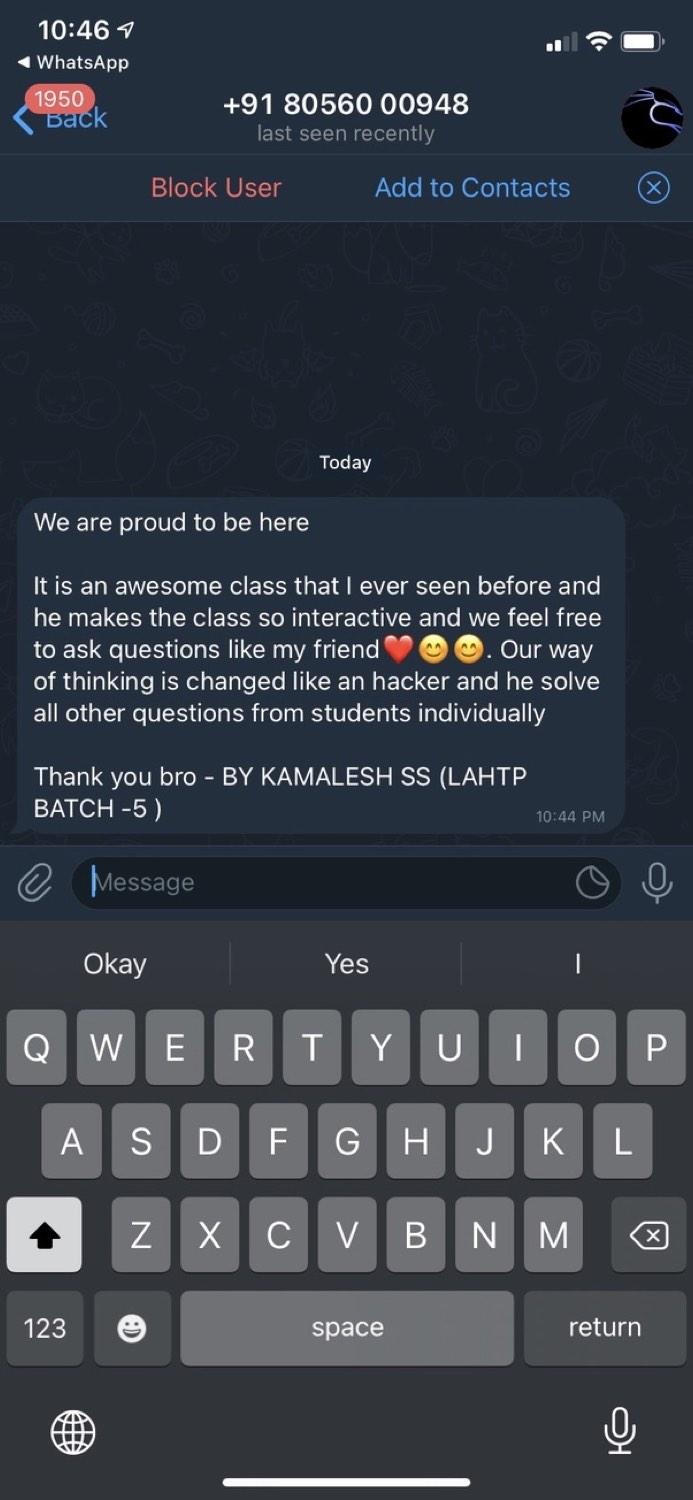
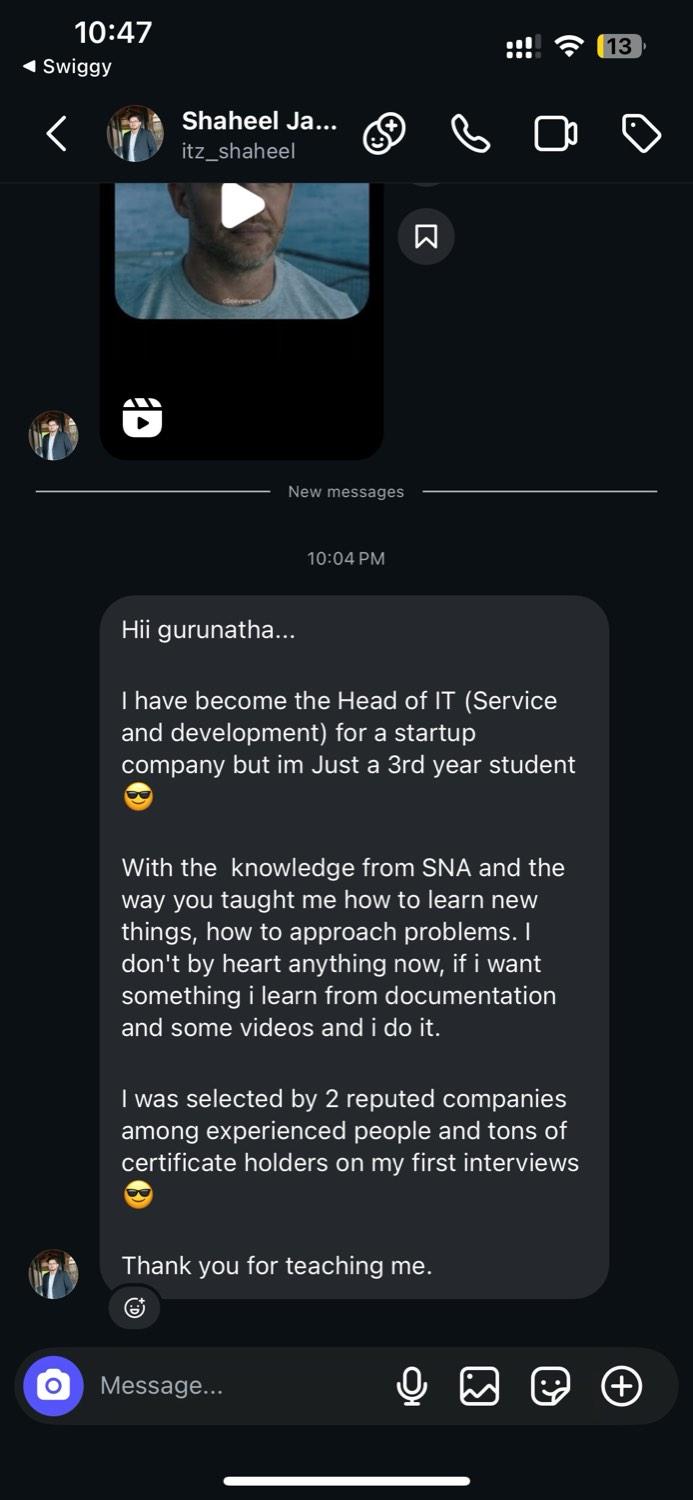
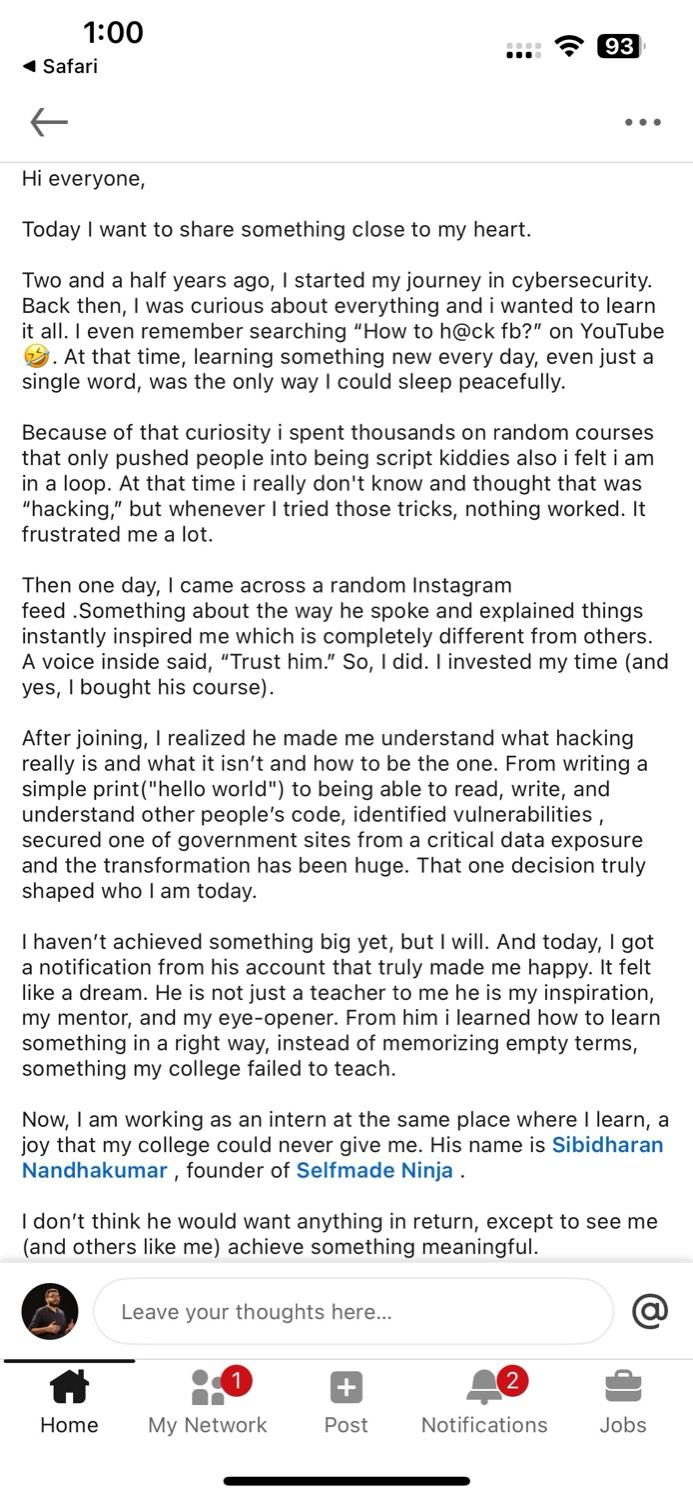
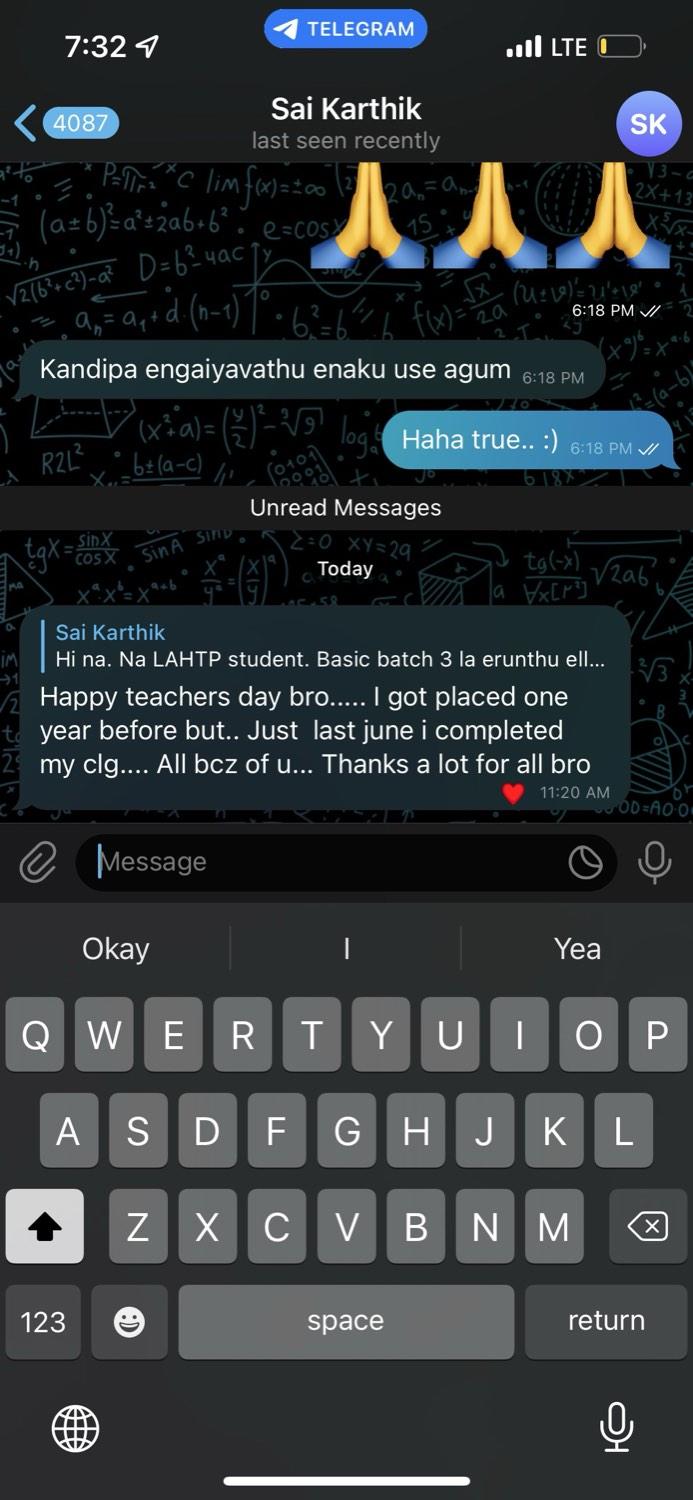
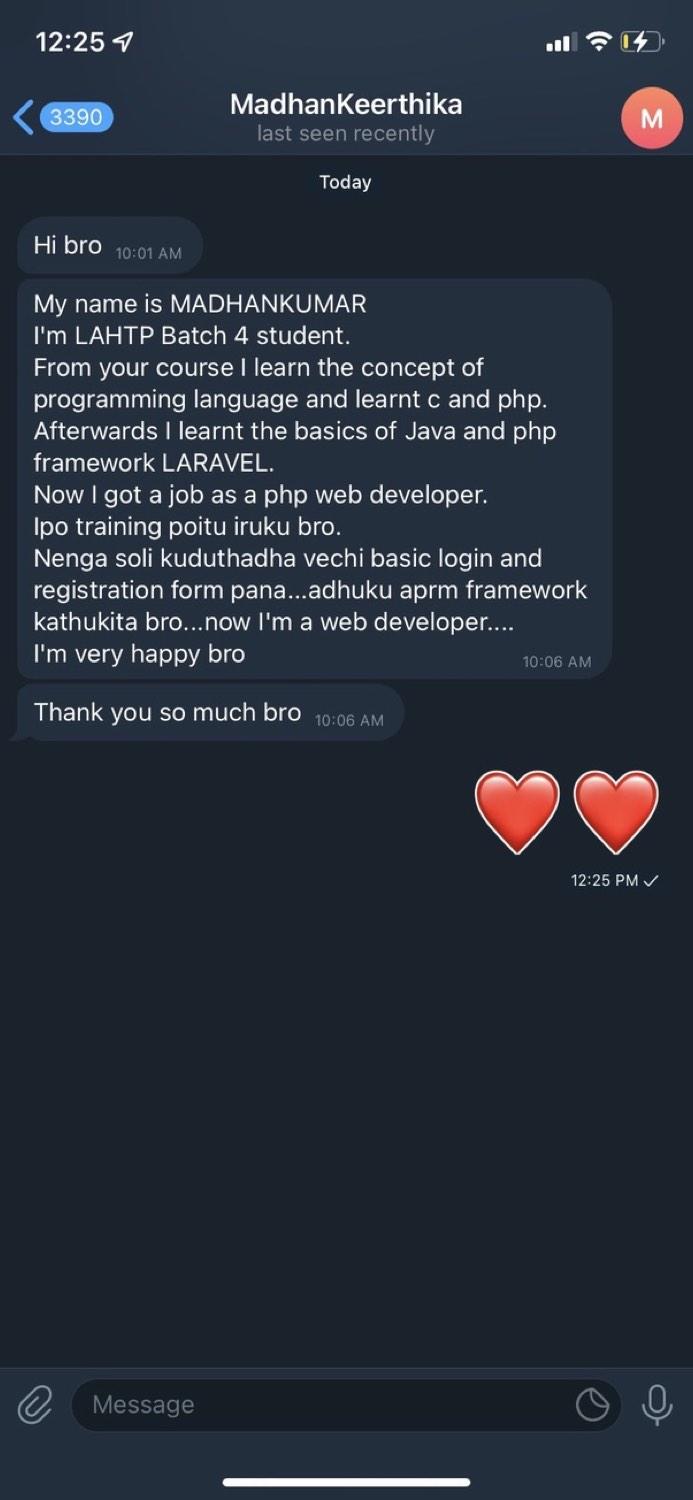
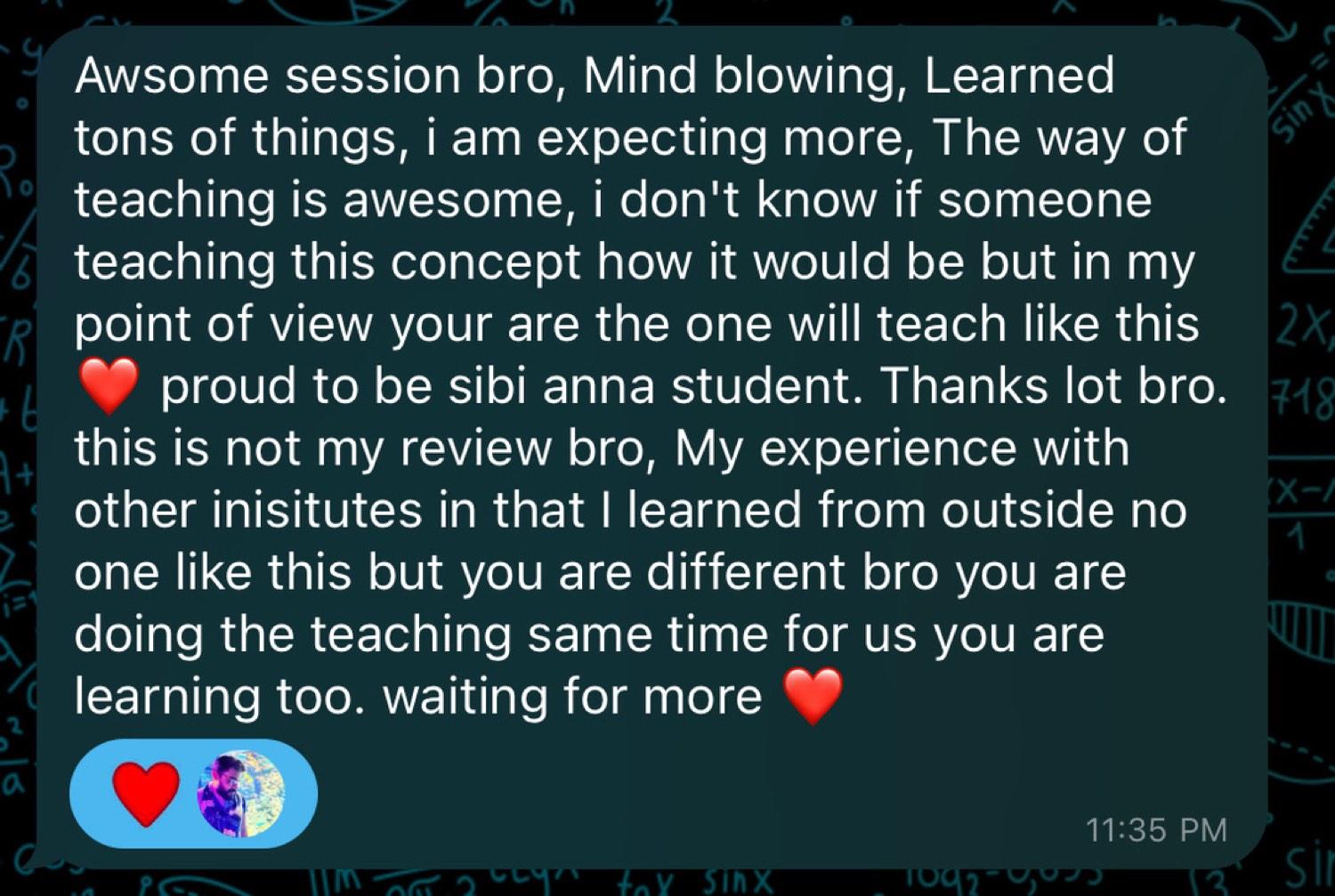
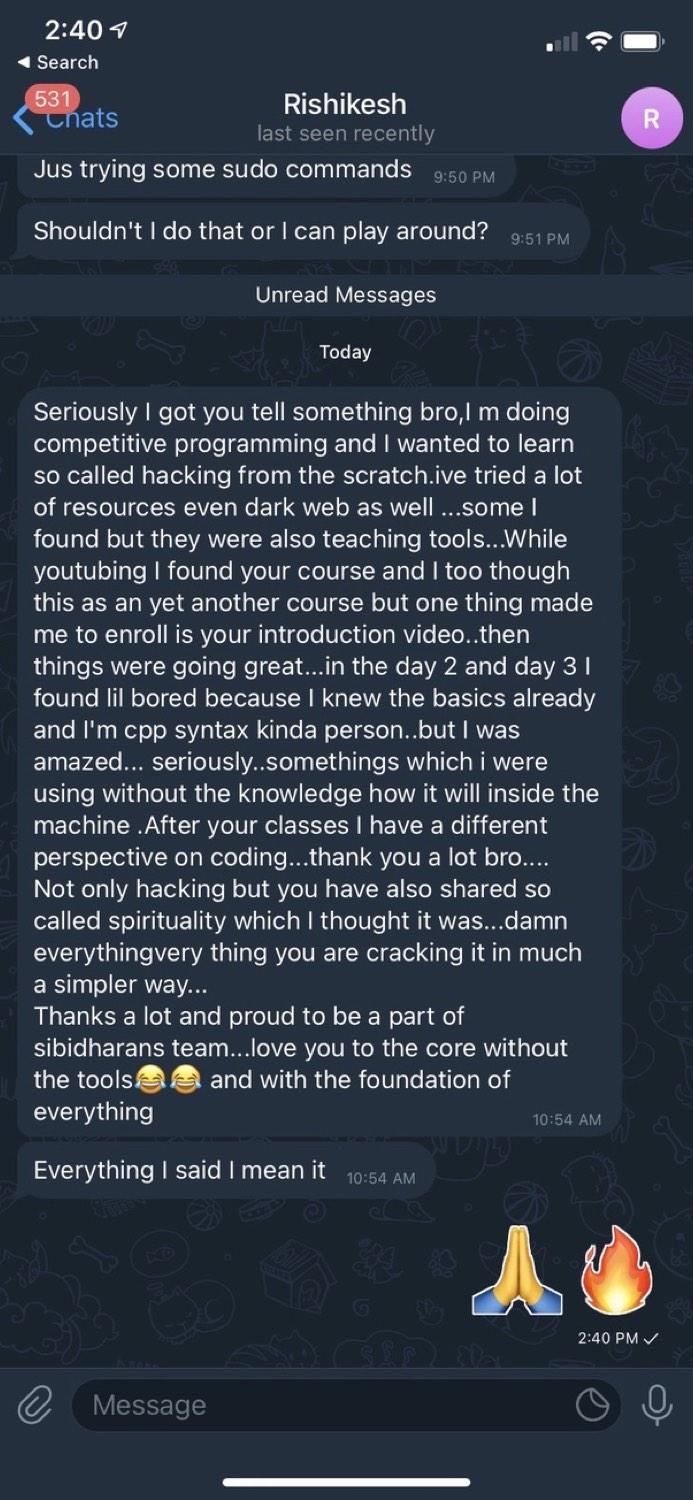
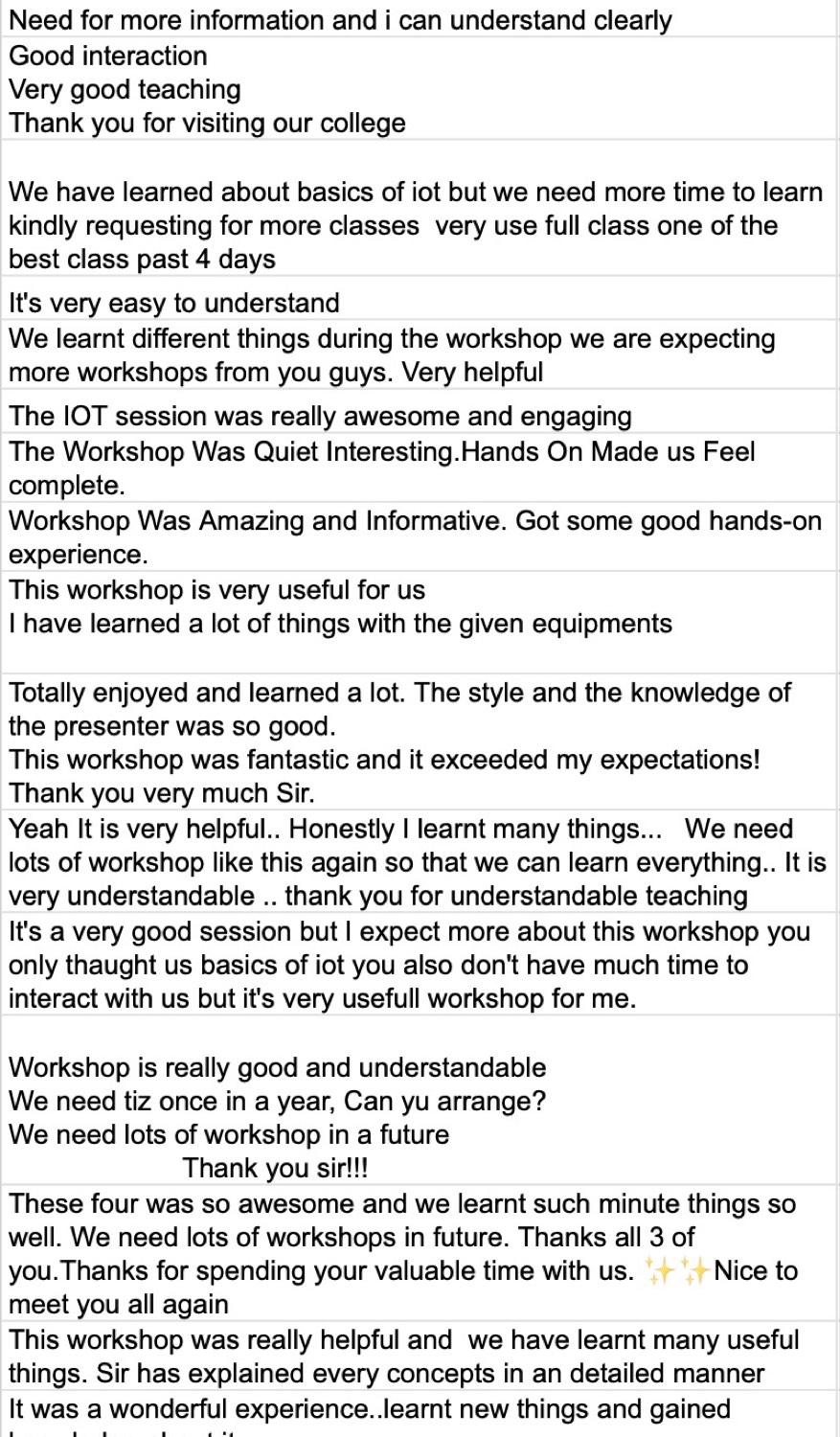
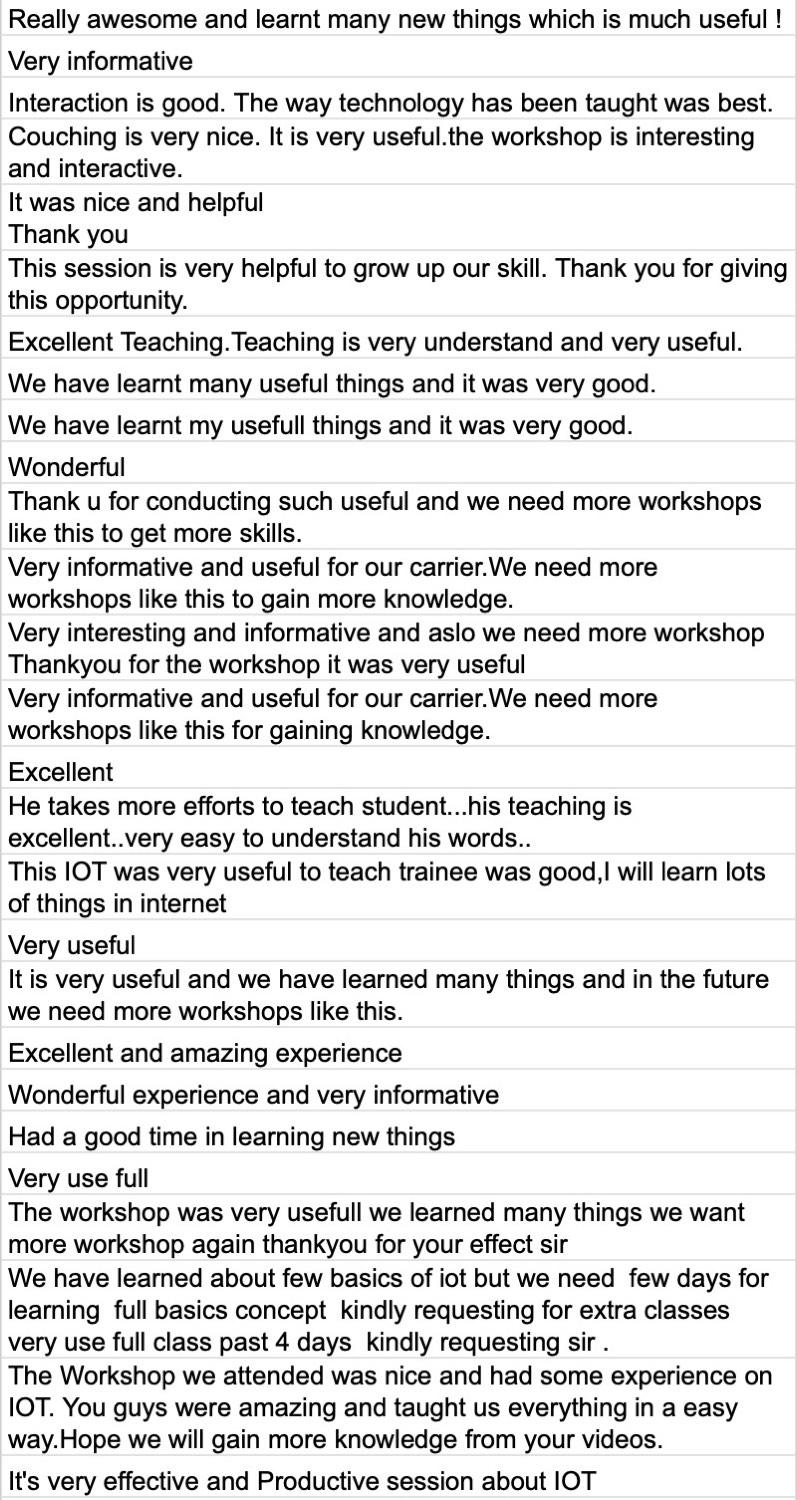
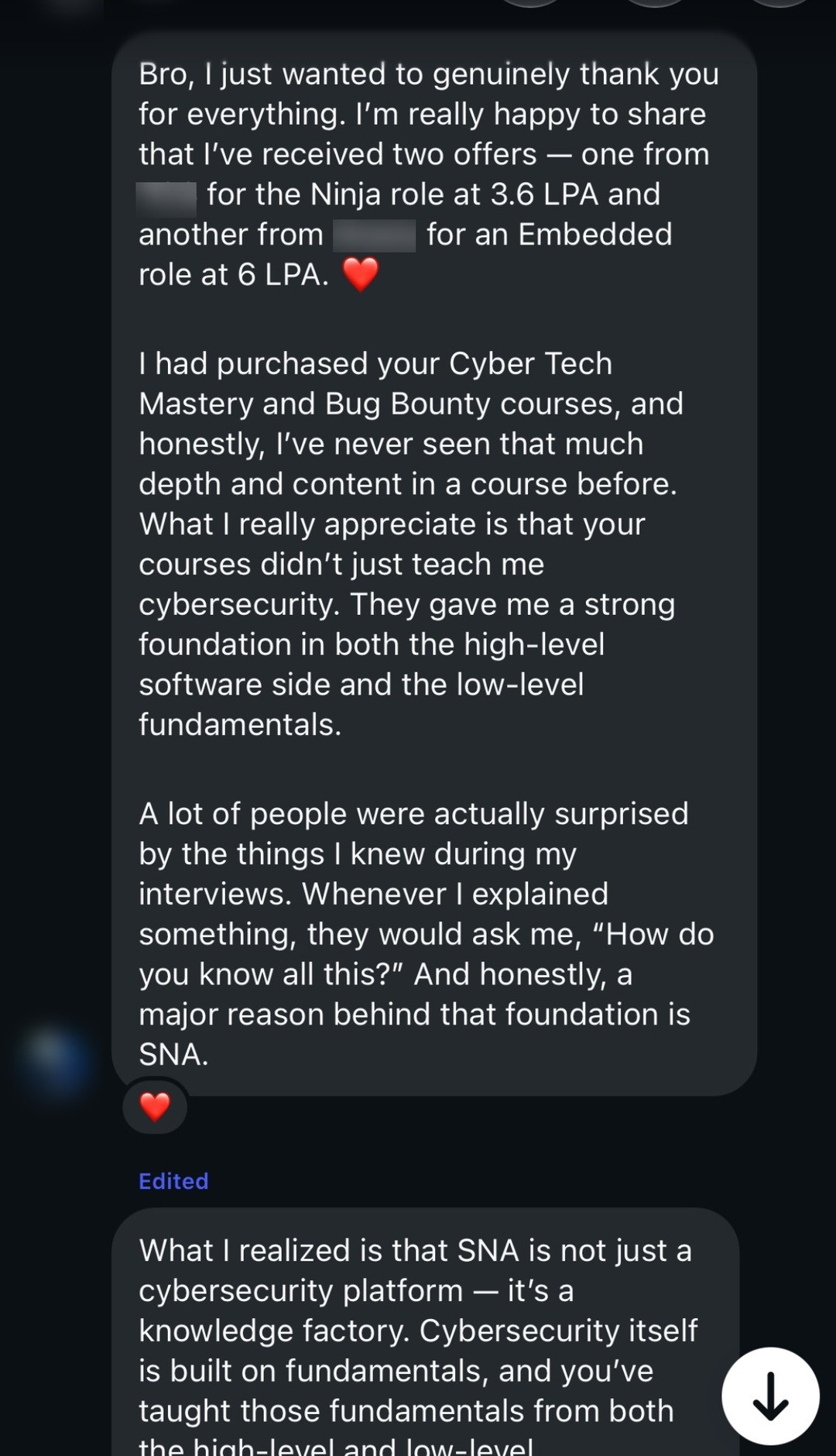
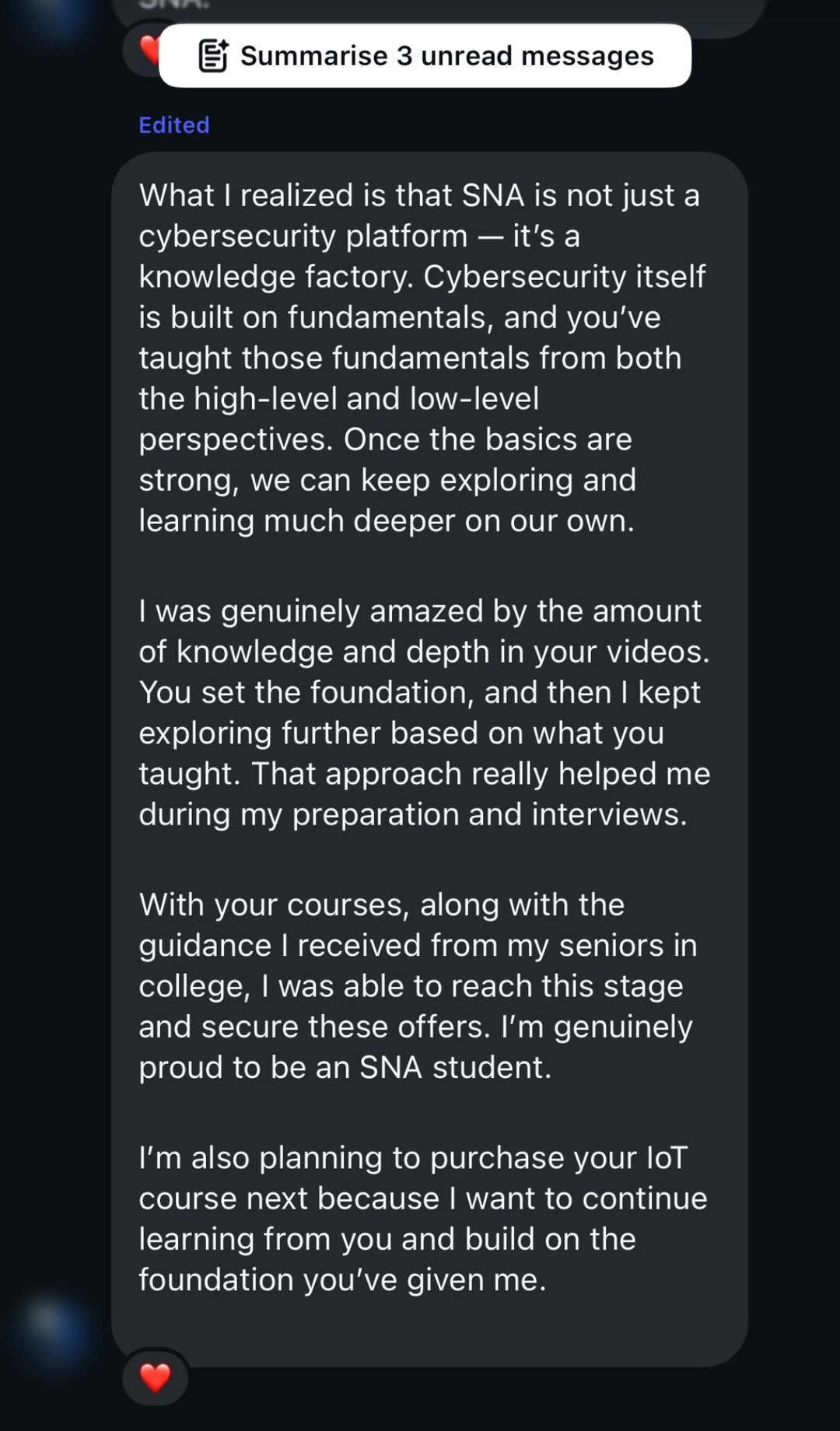
Not generic praise. Specific transformations from developers who took this workshop.
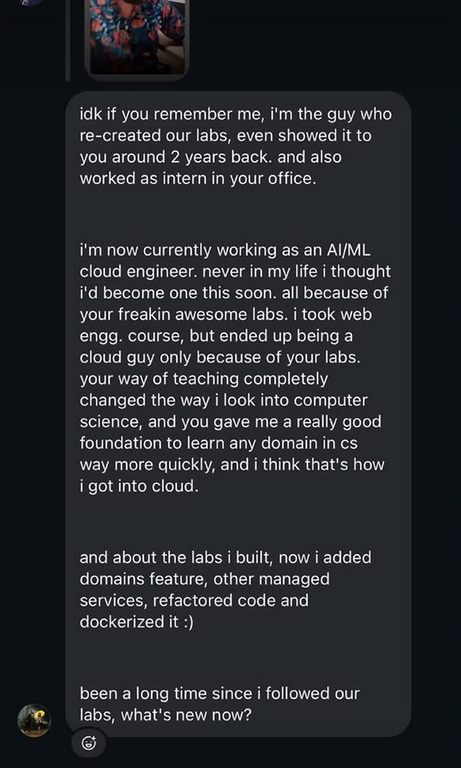
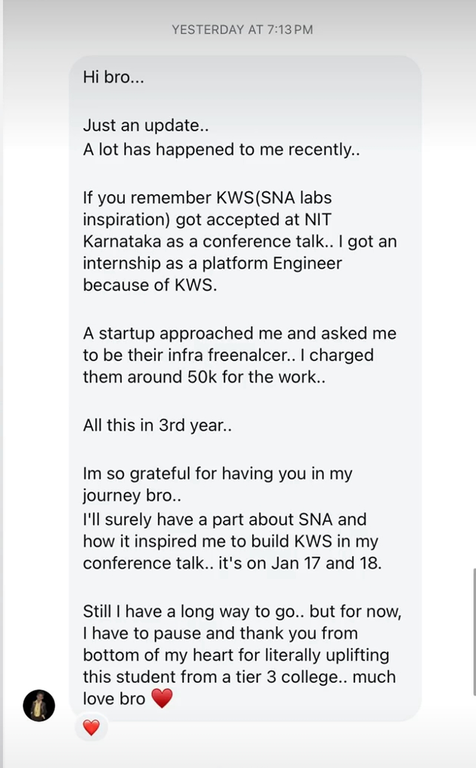
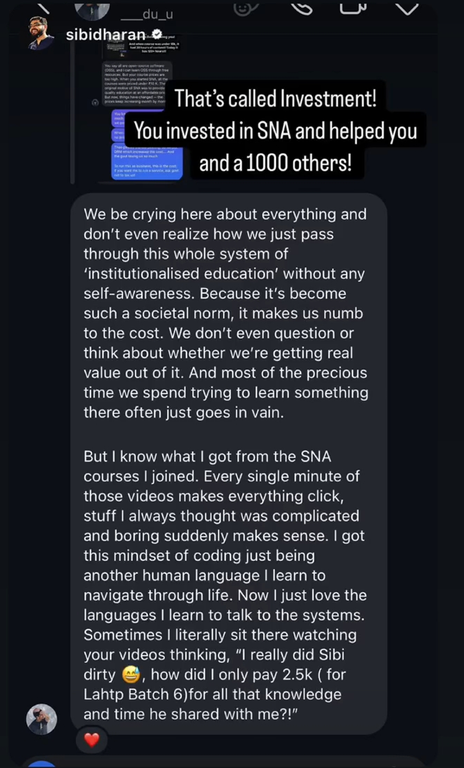
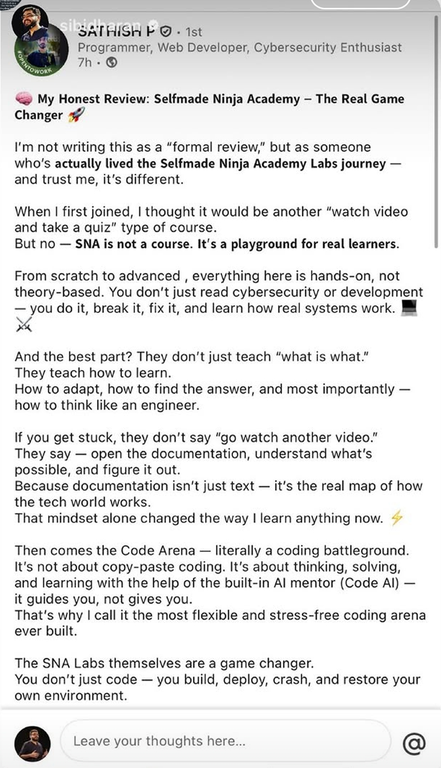
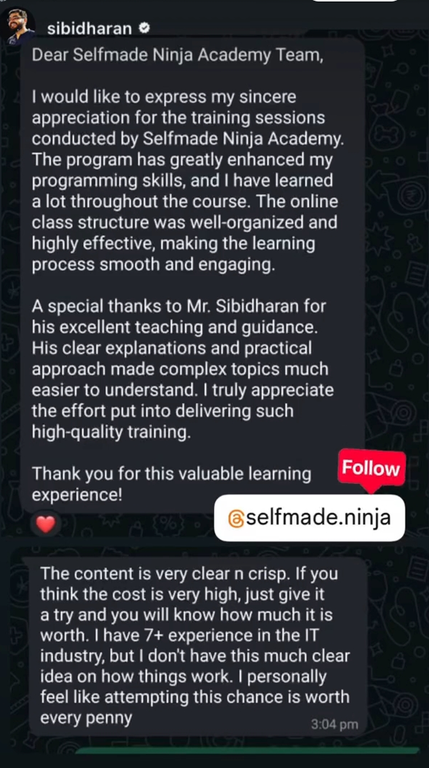
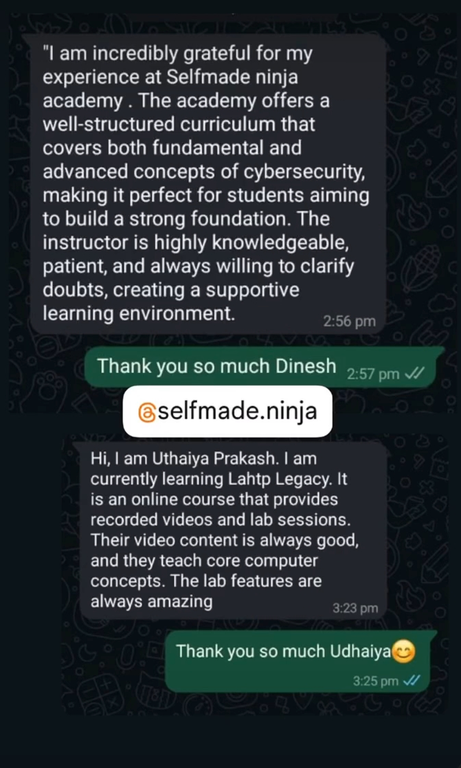
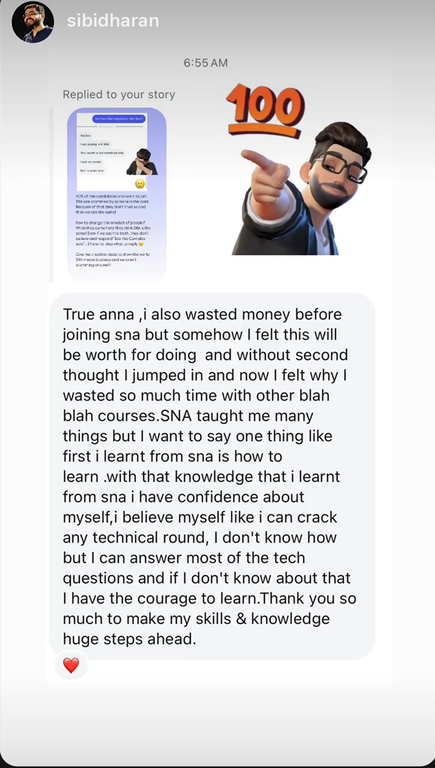
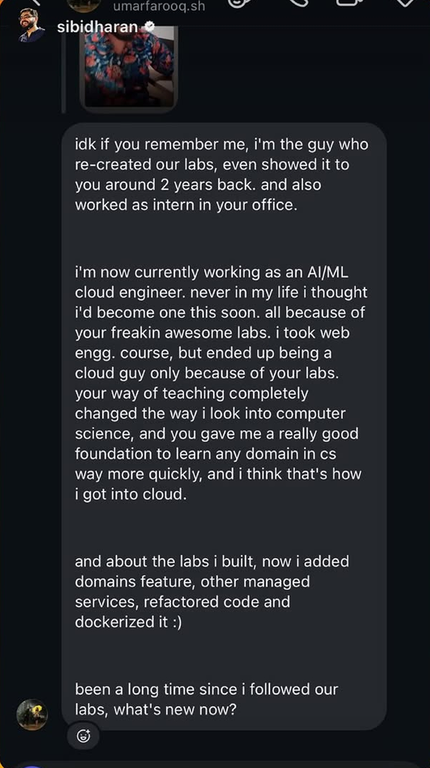
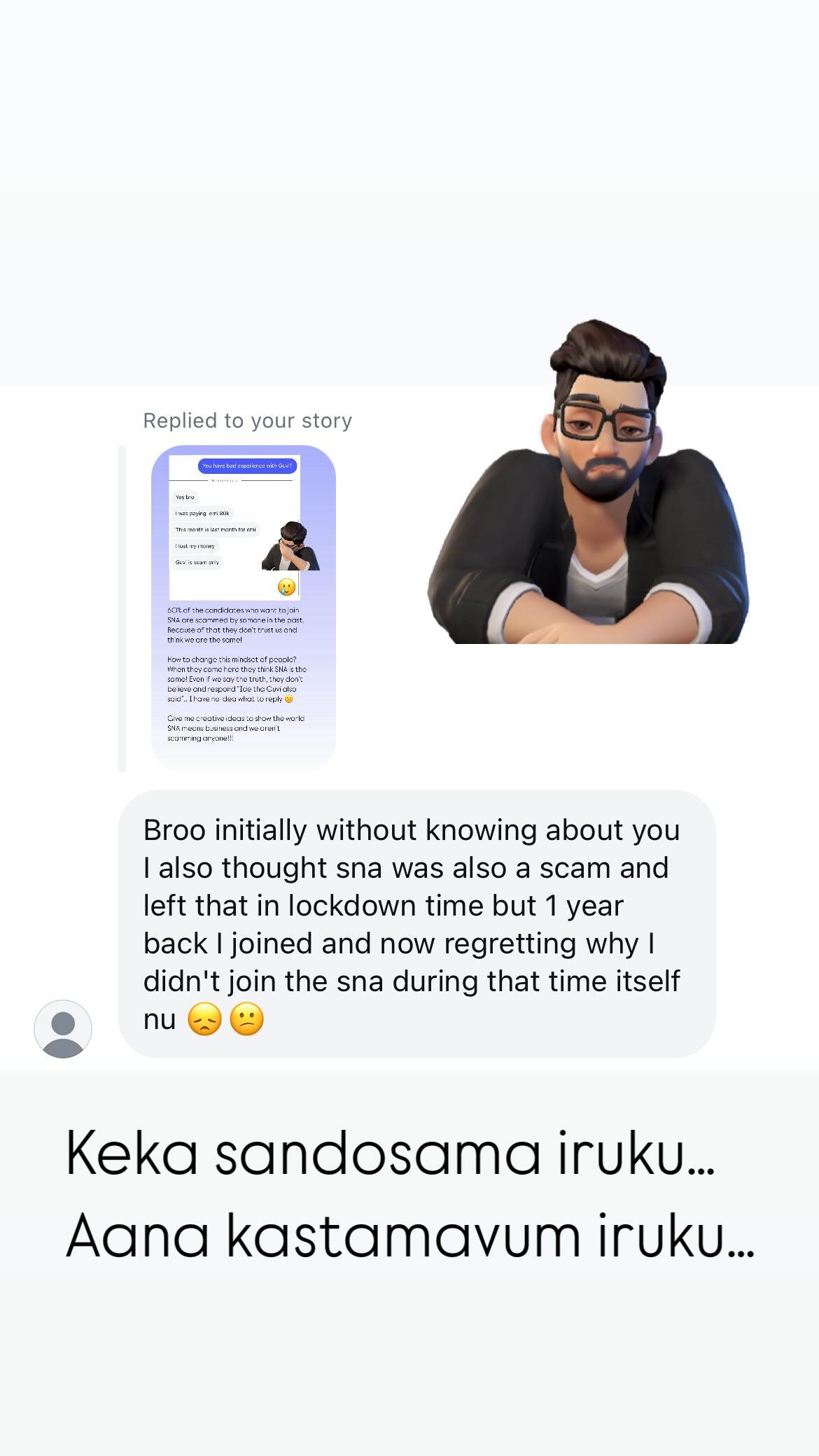
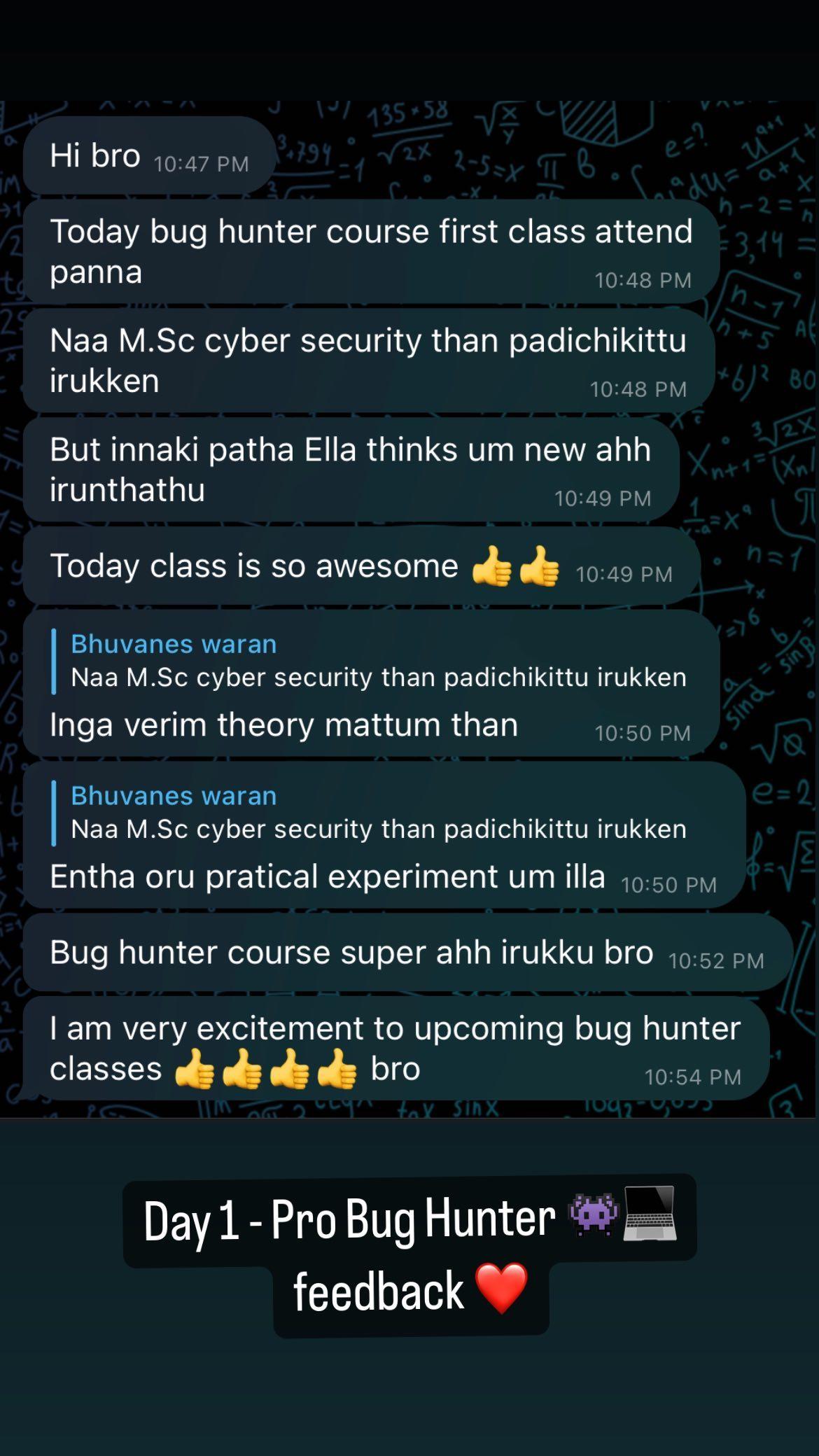
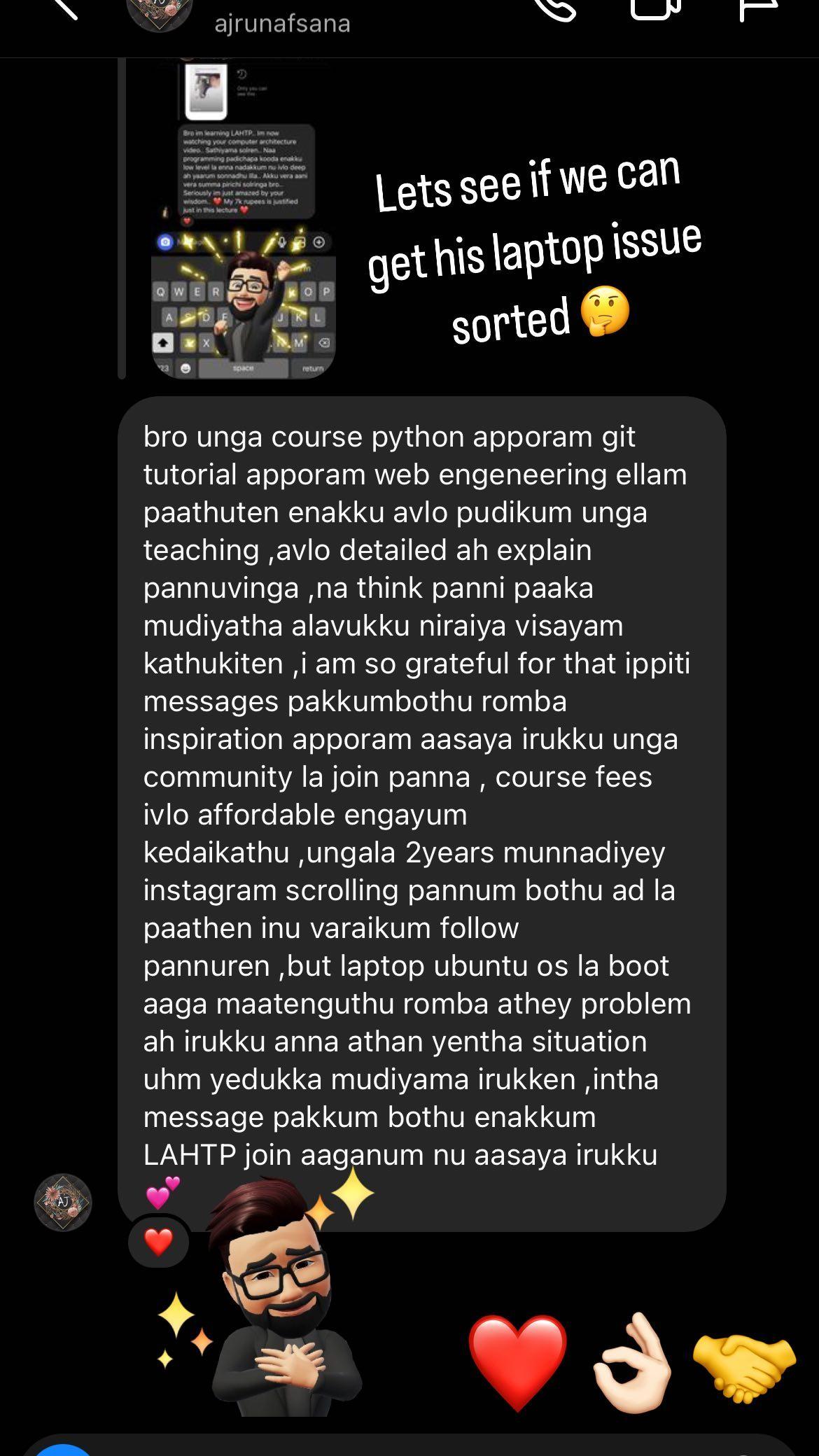
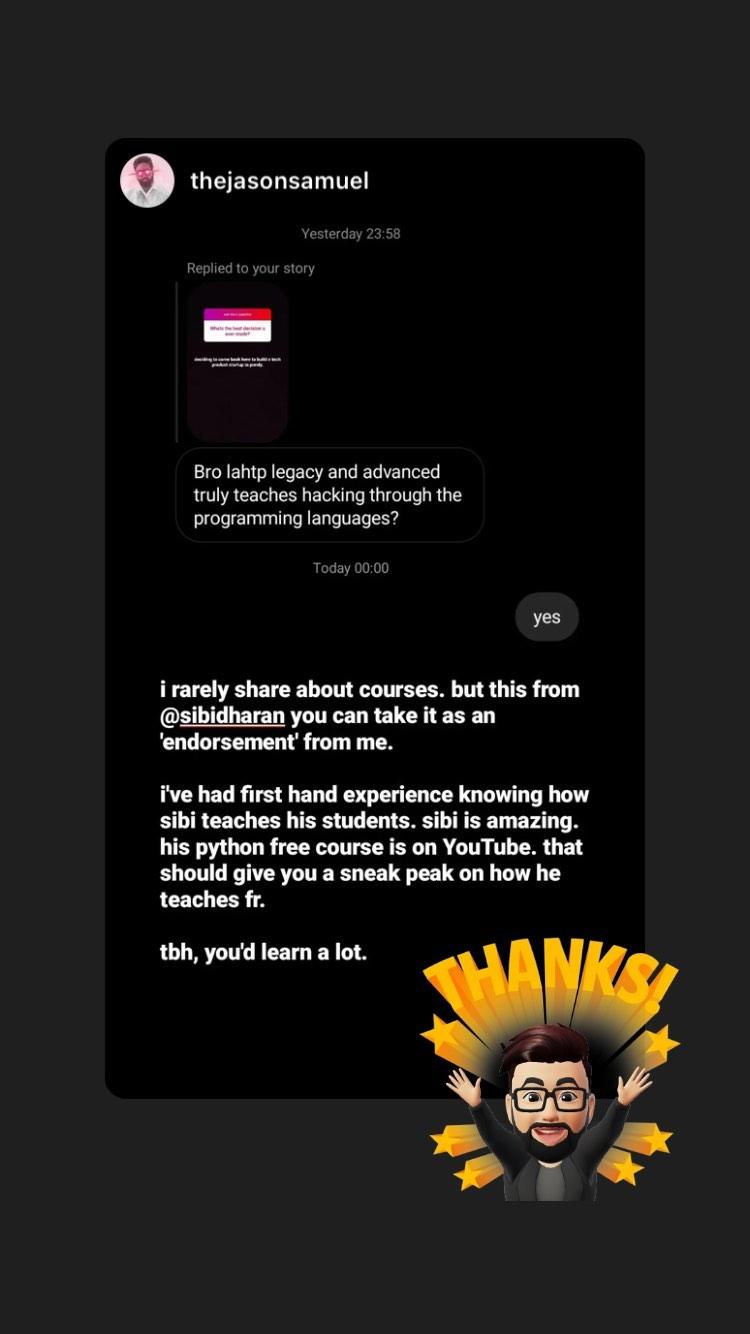
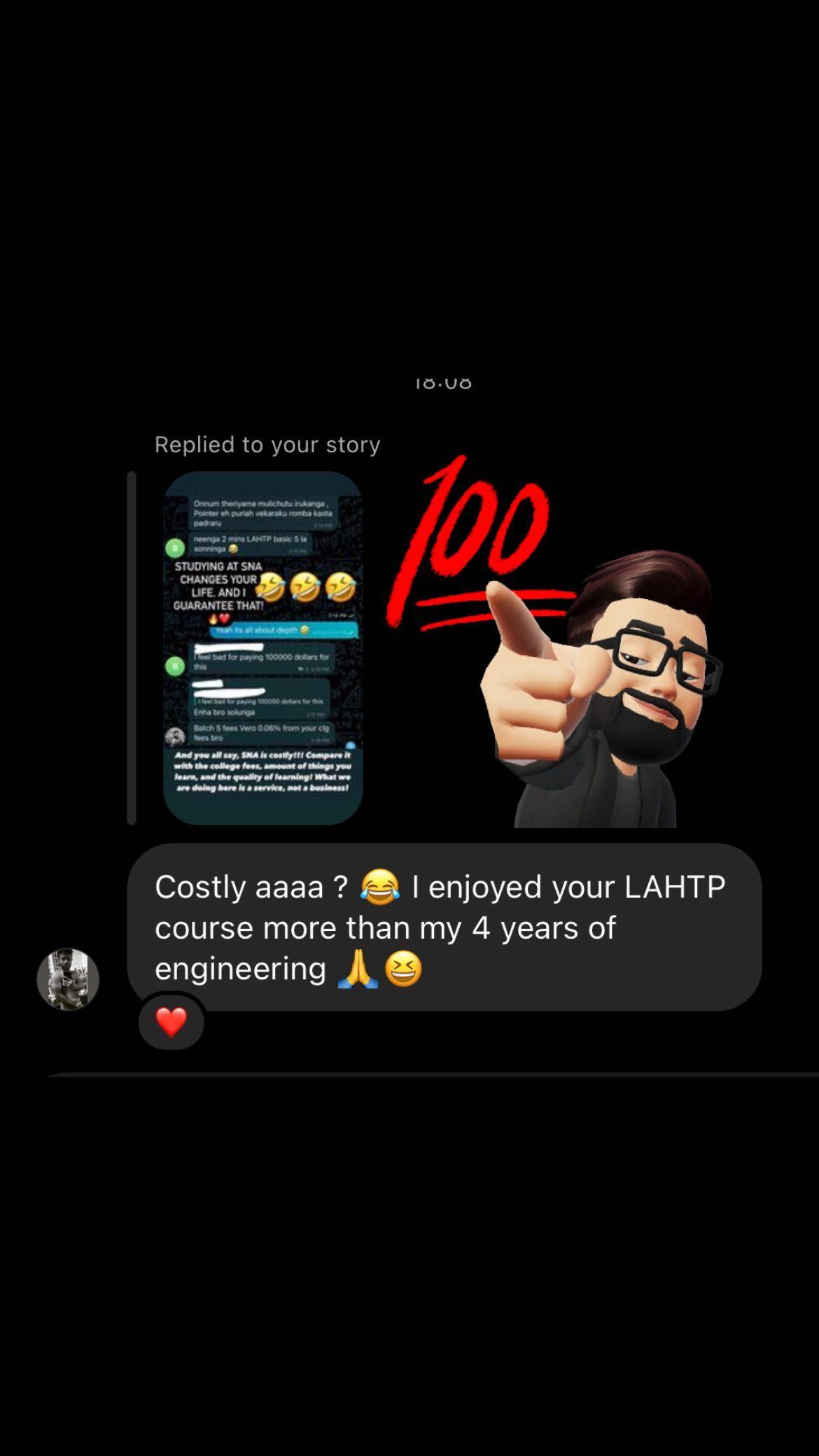
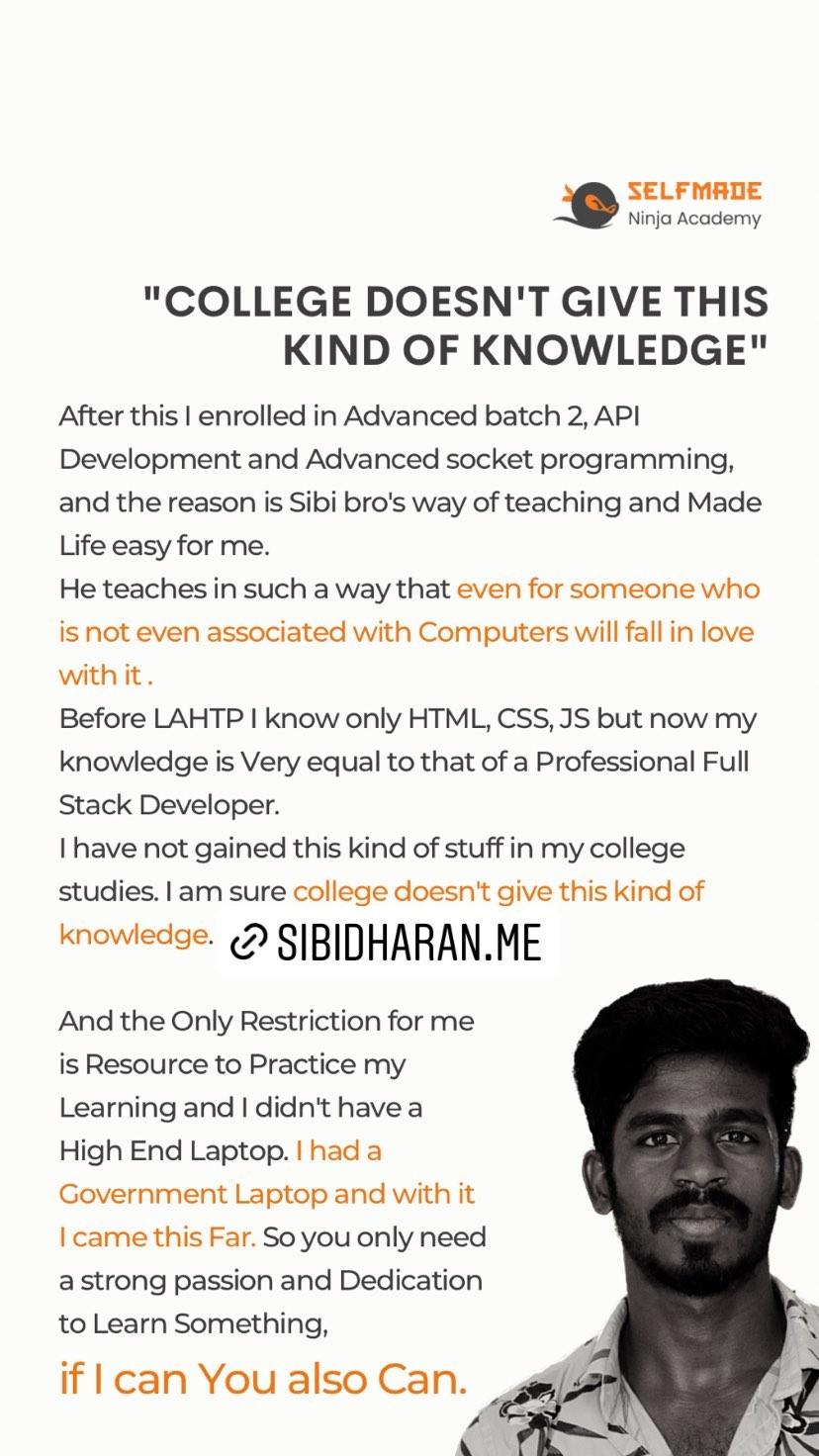
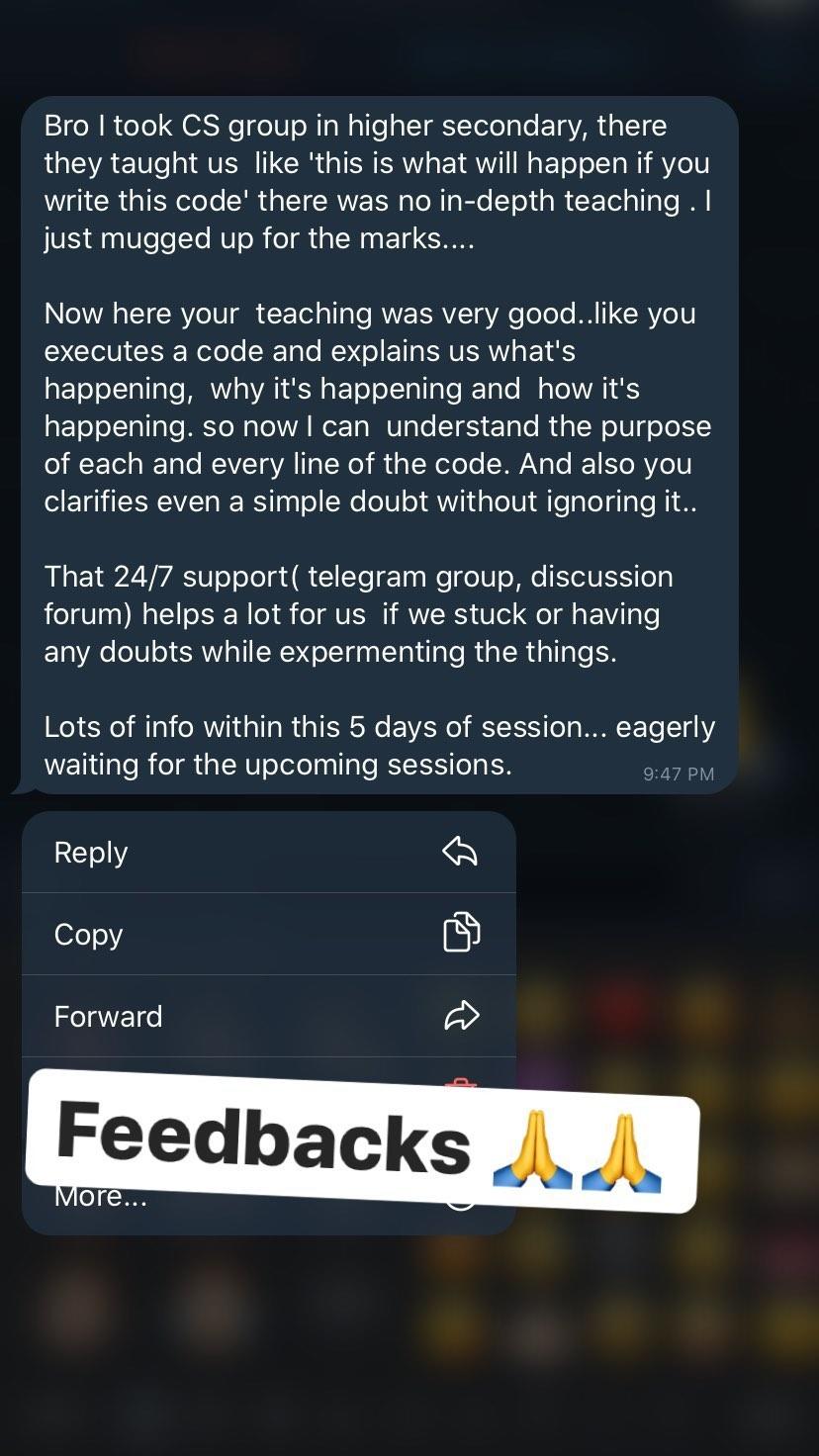
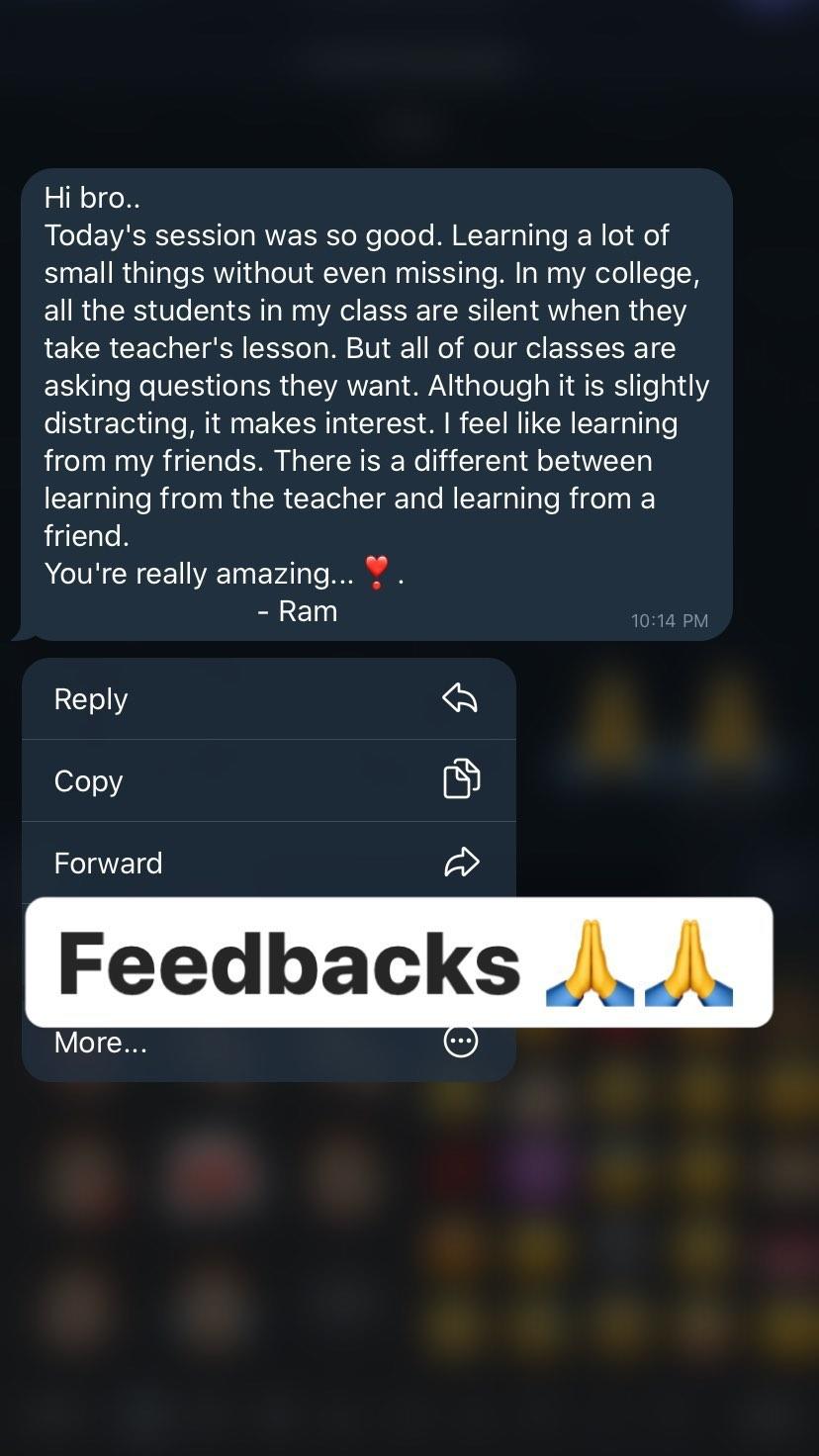
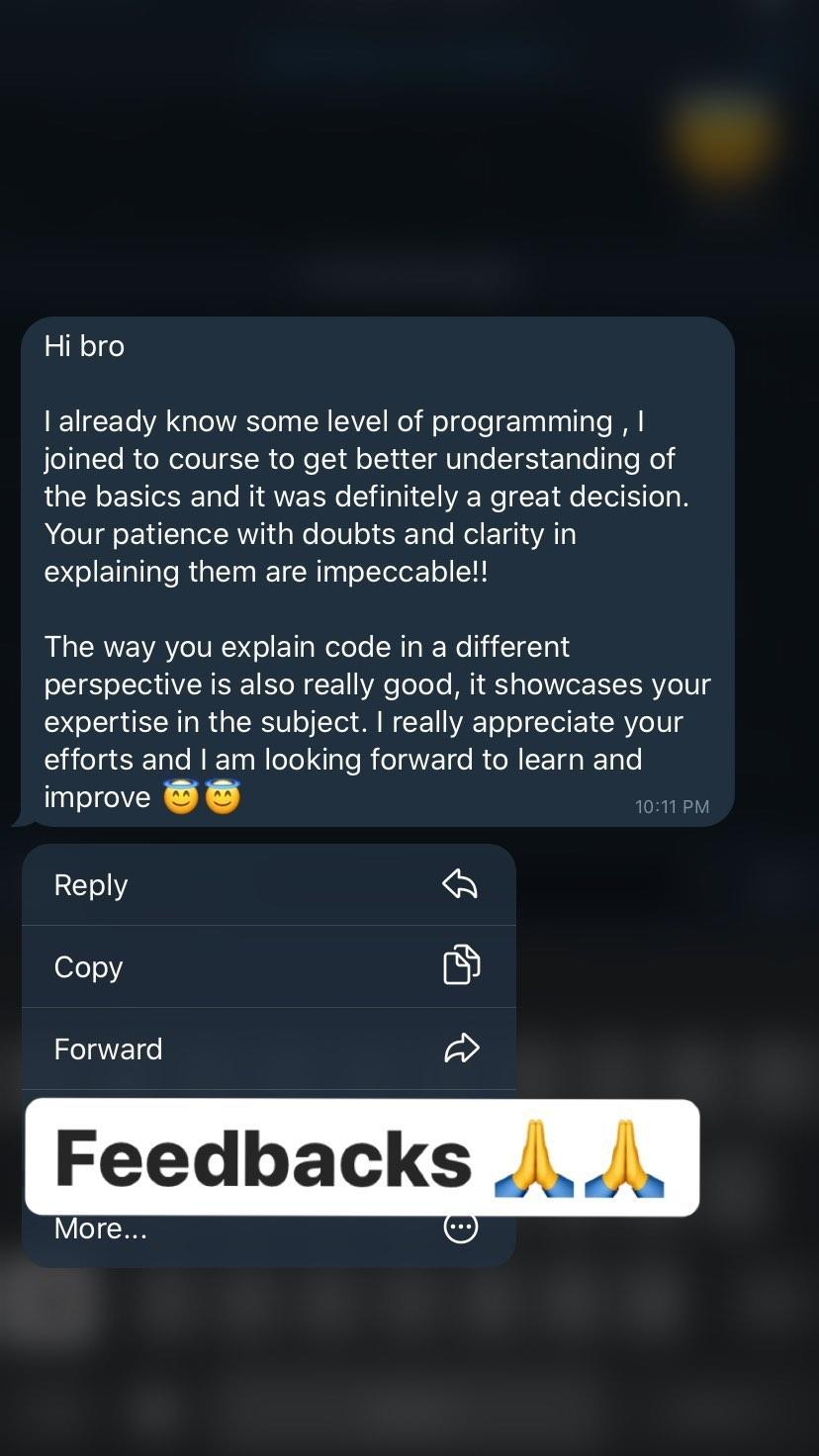
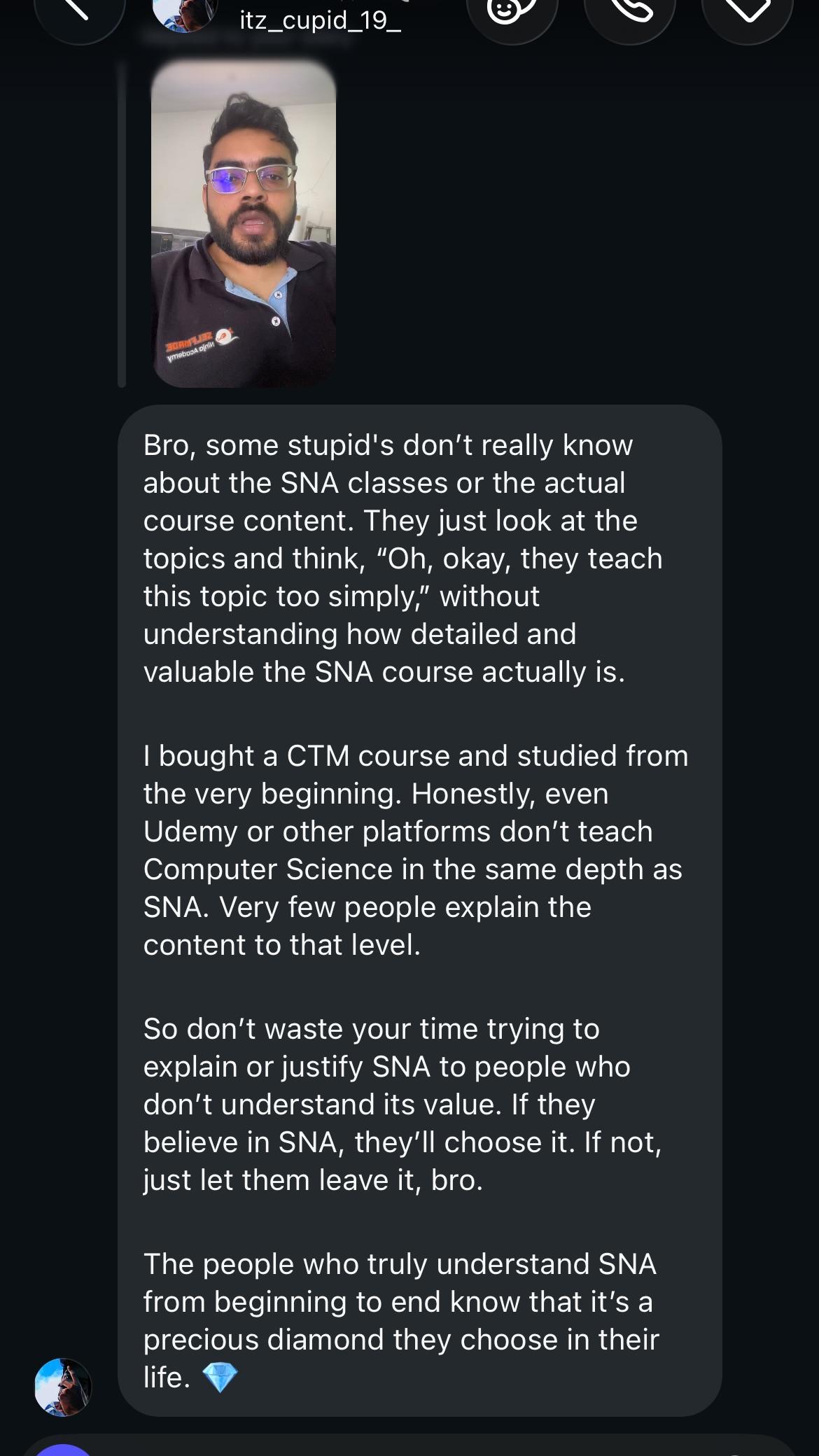
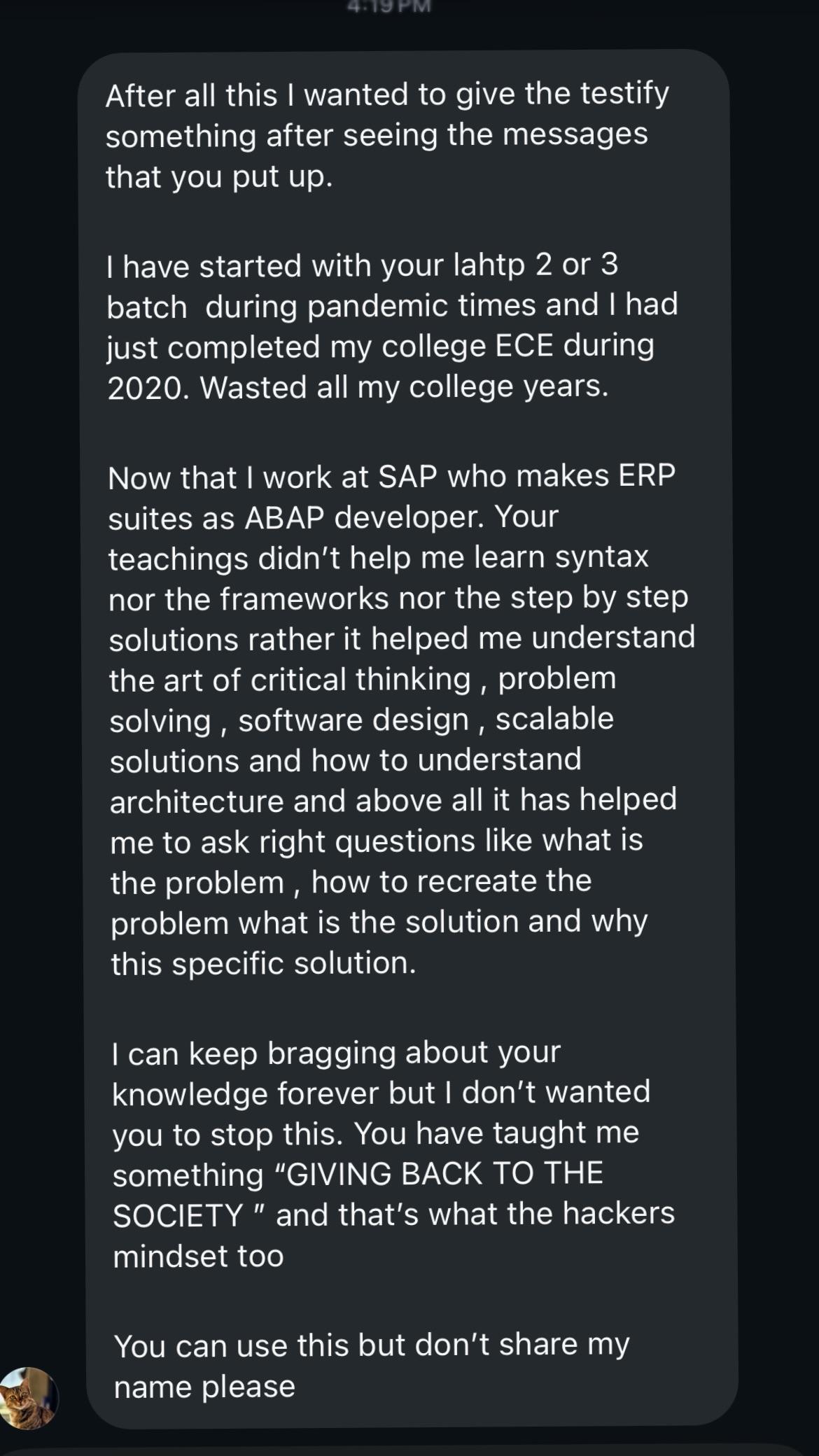
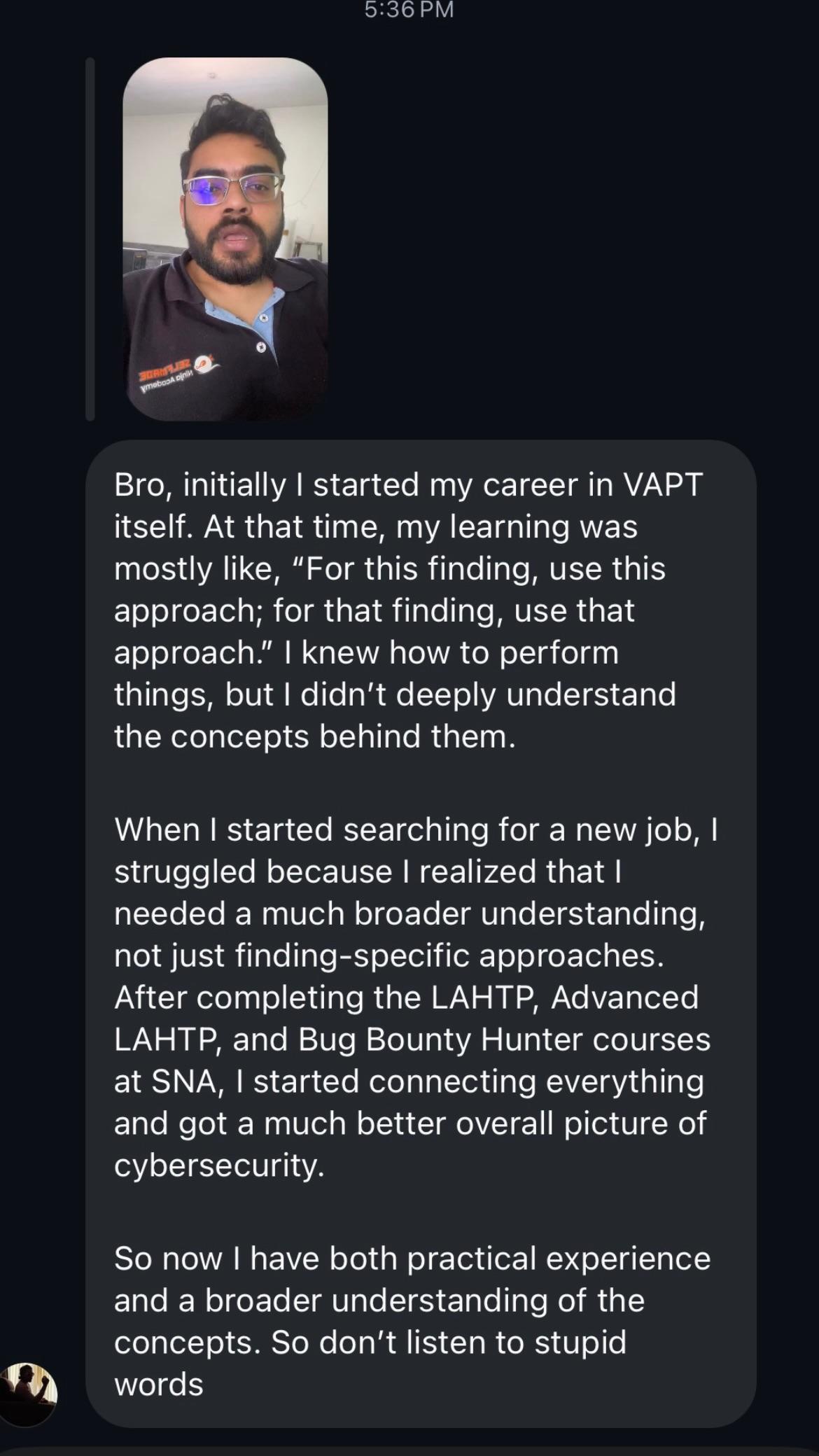
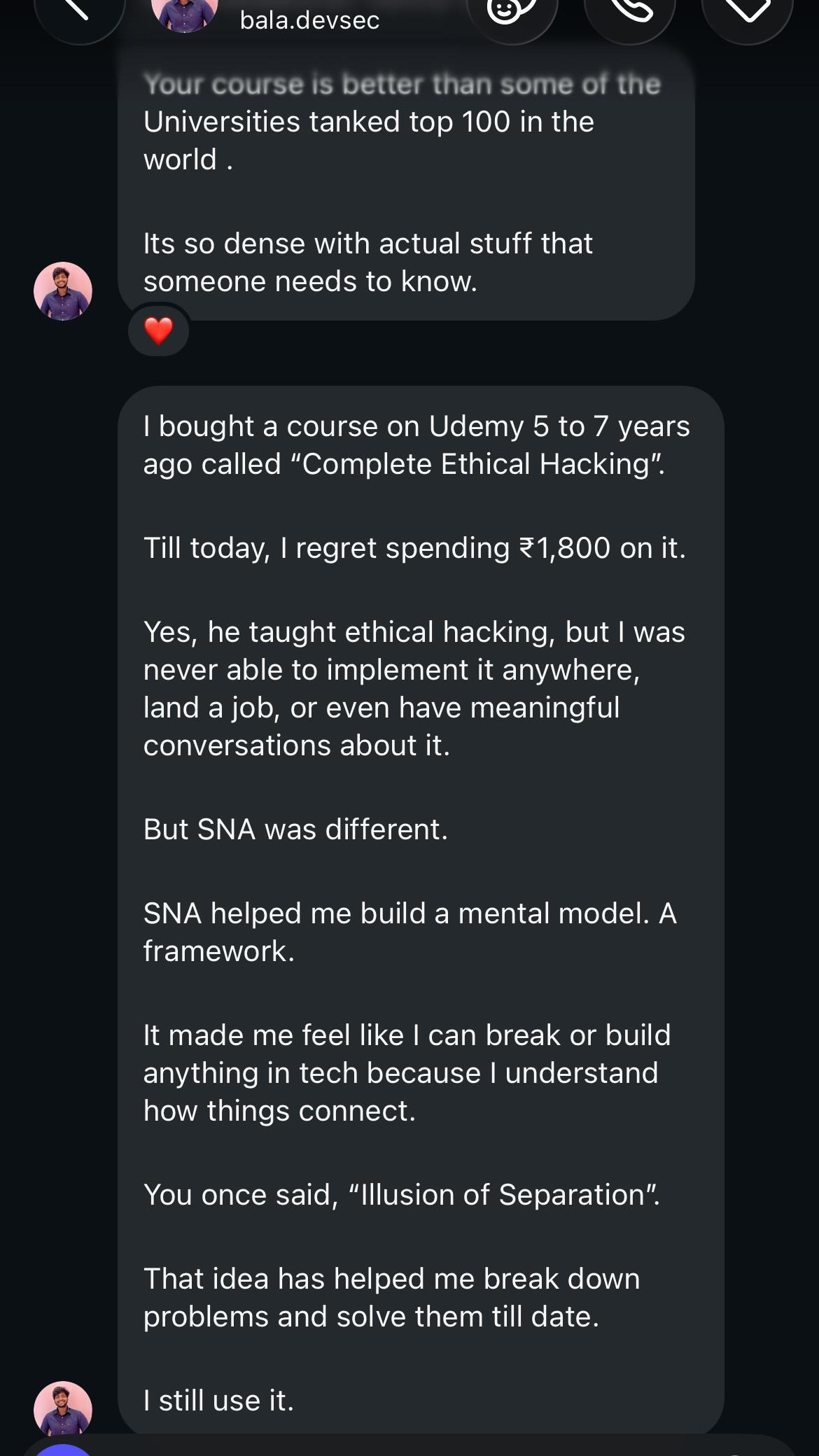
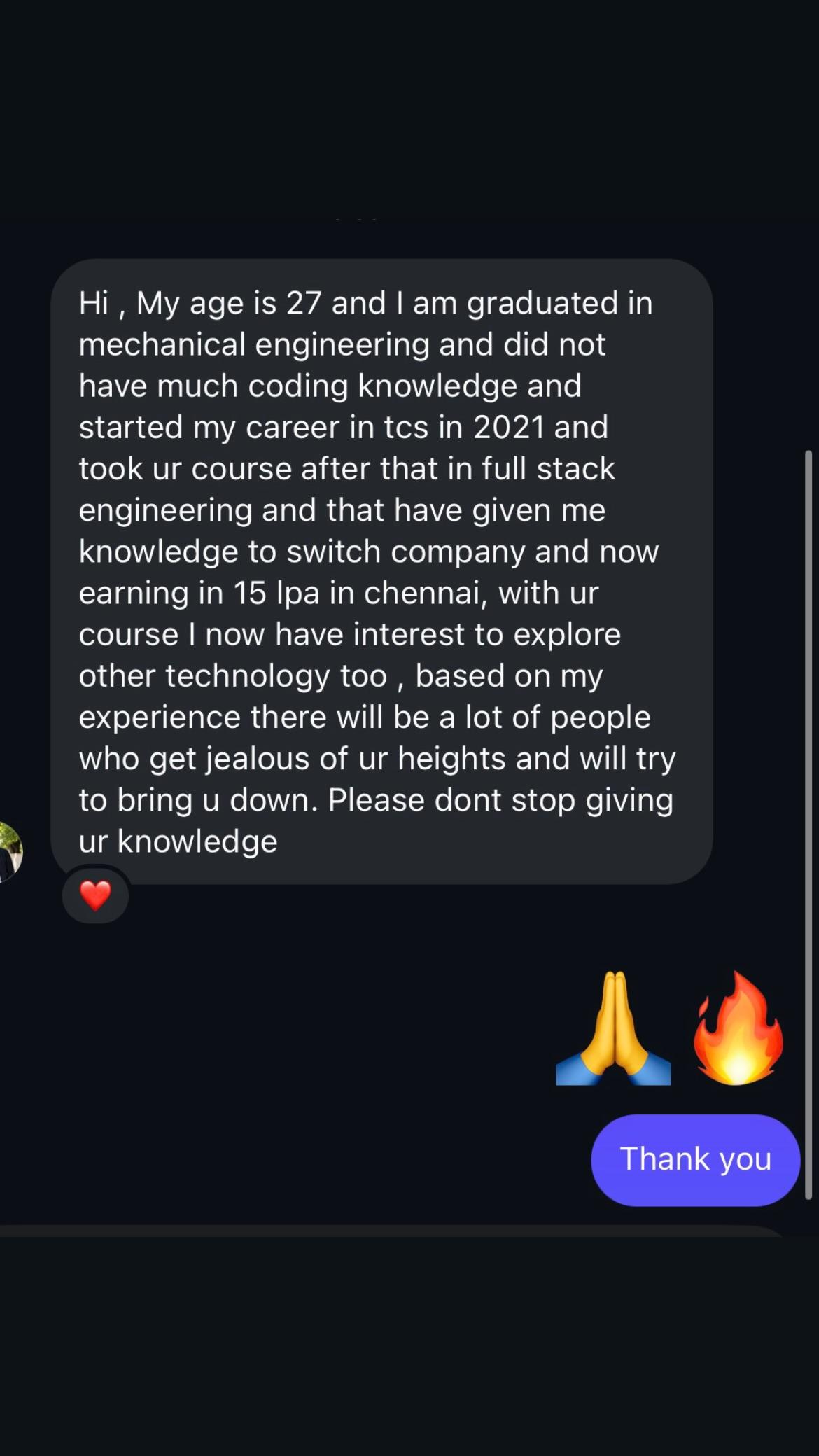
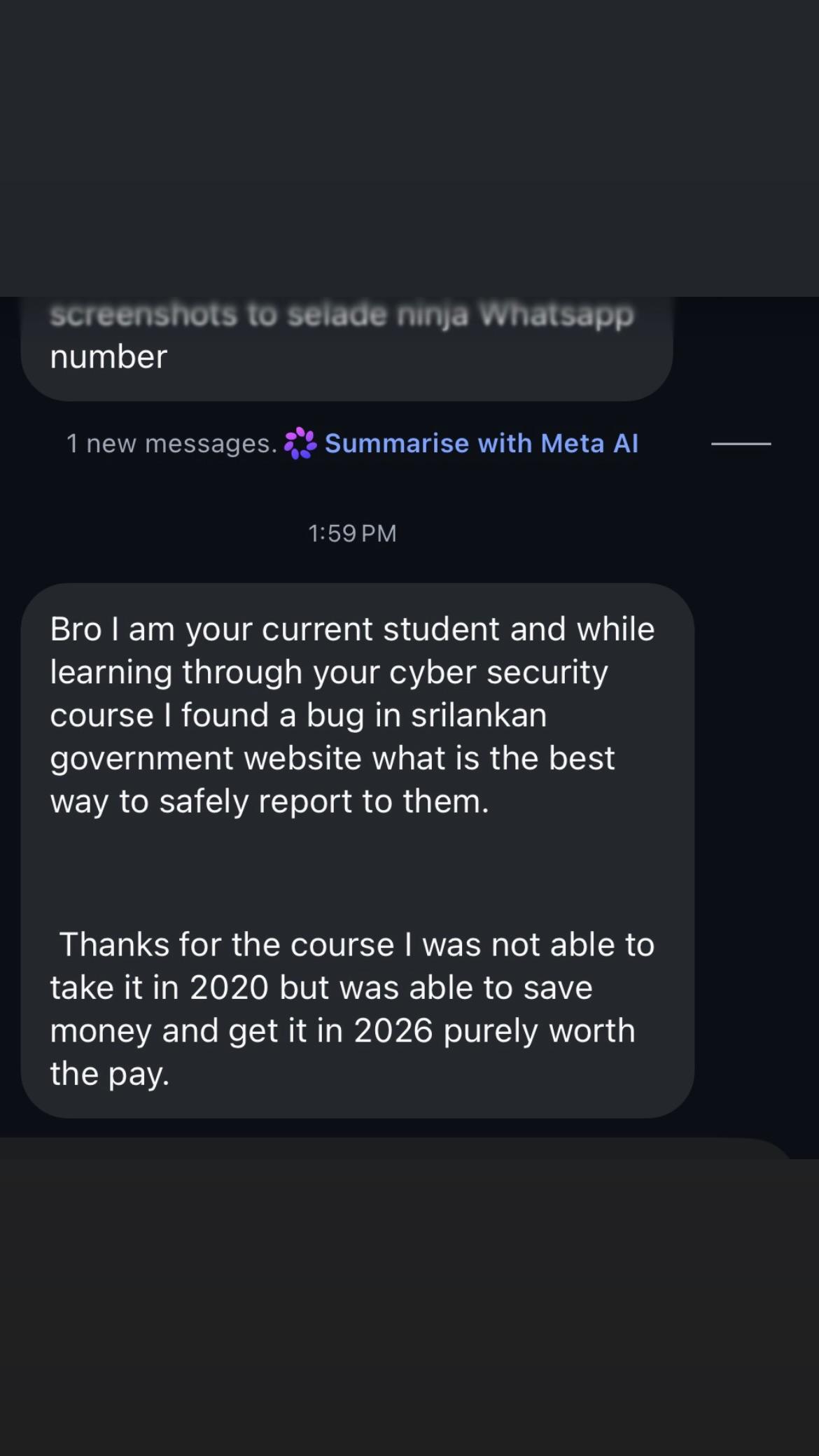
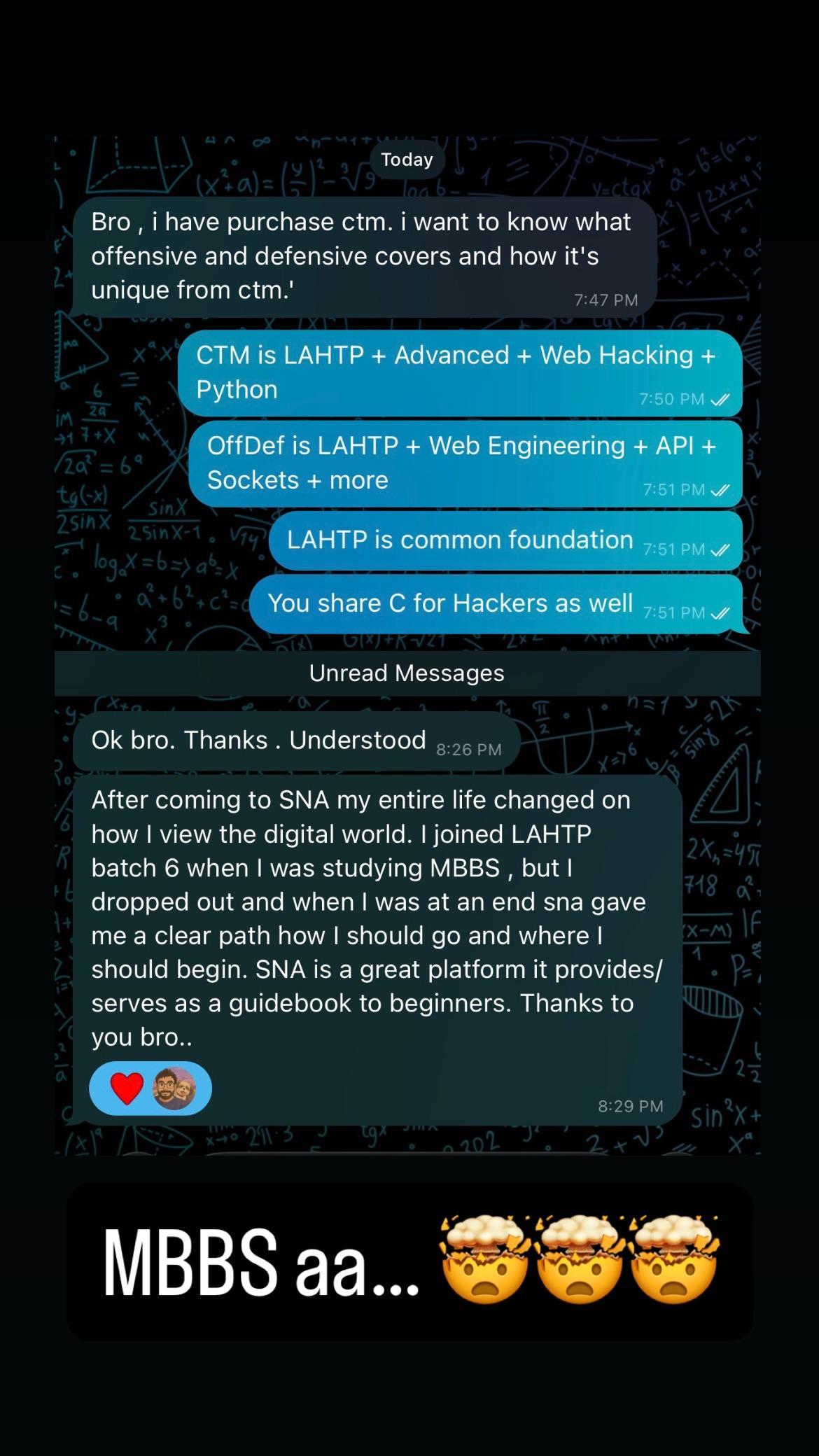
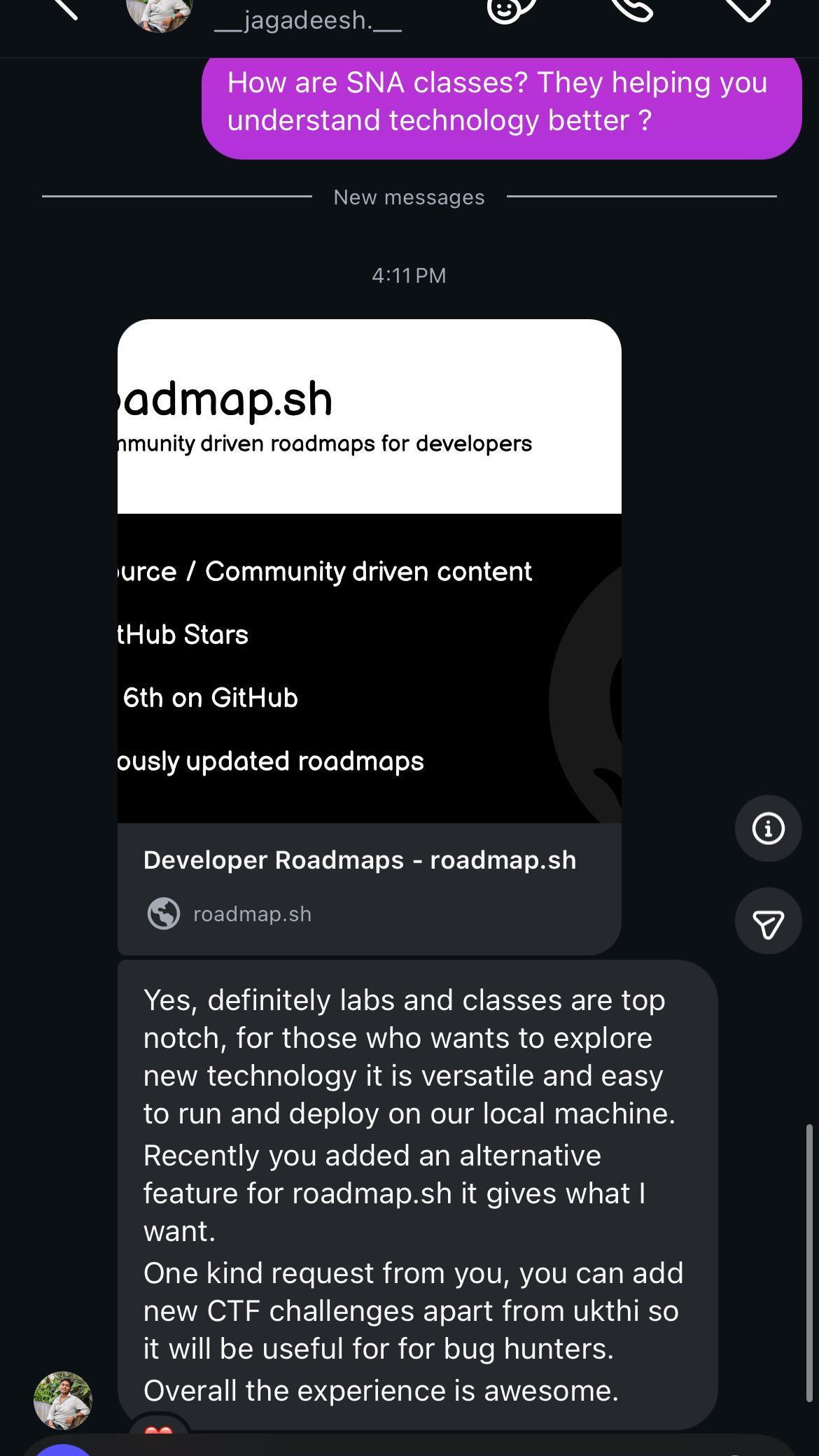
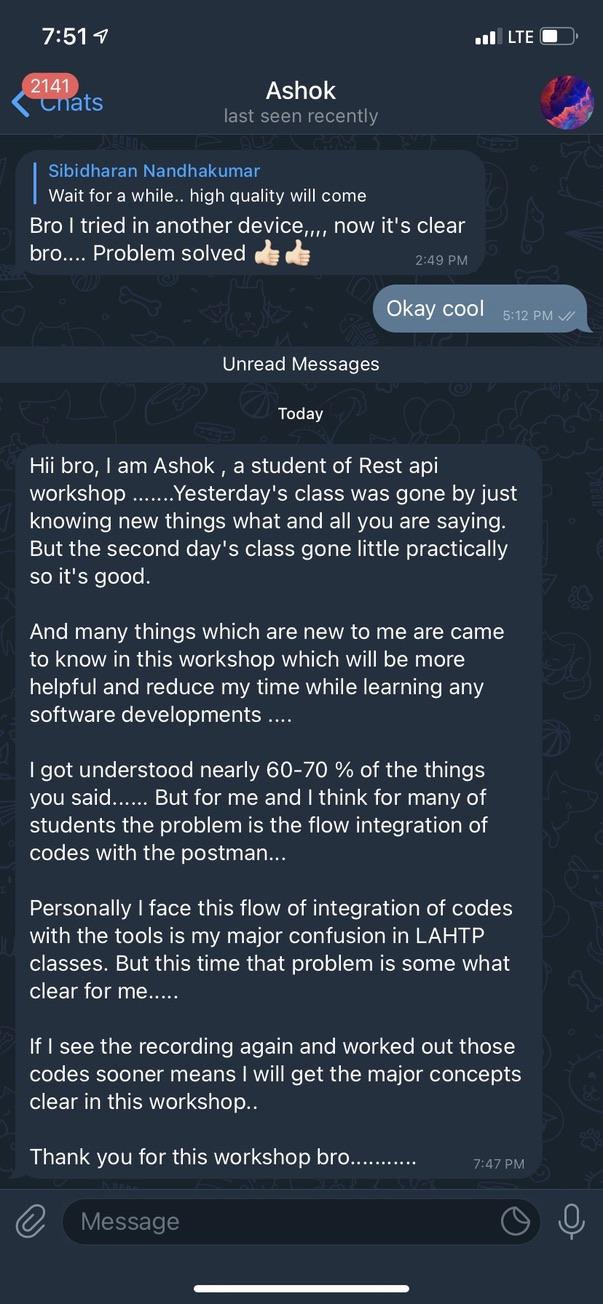
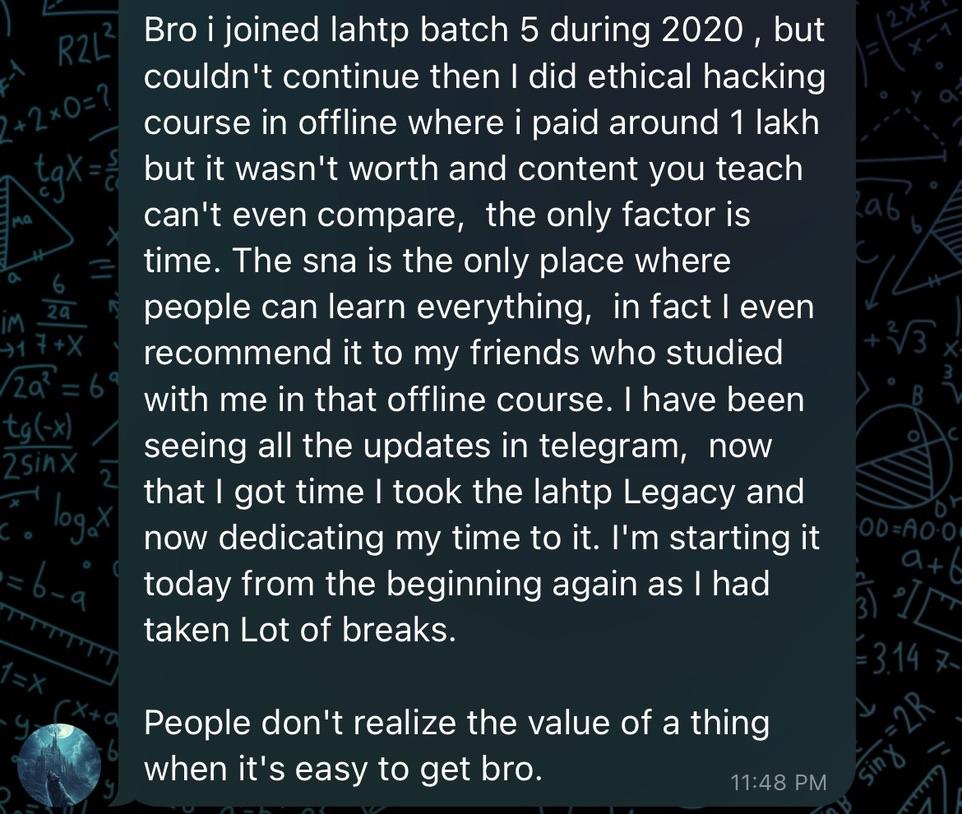
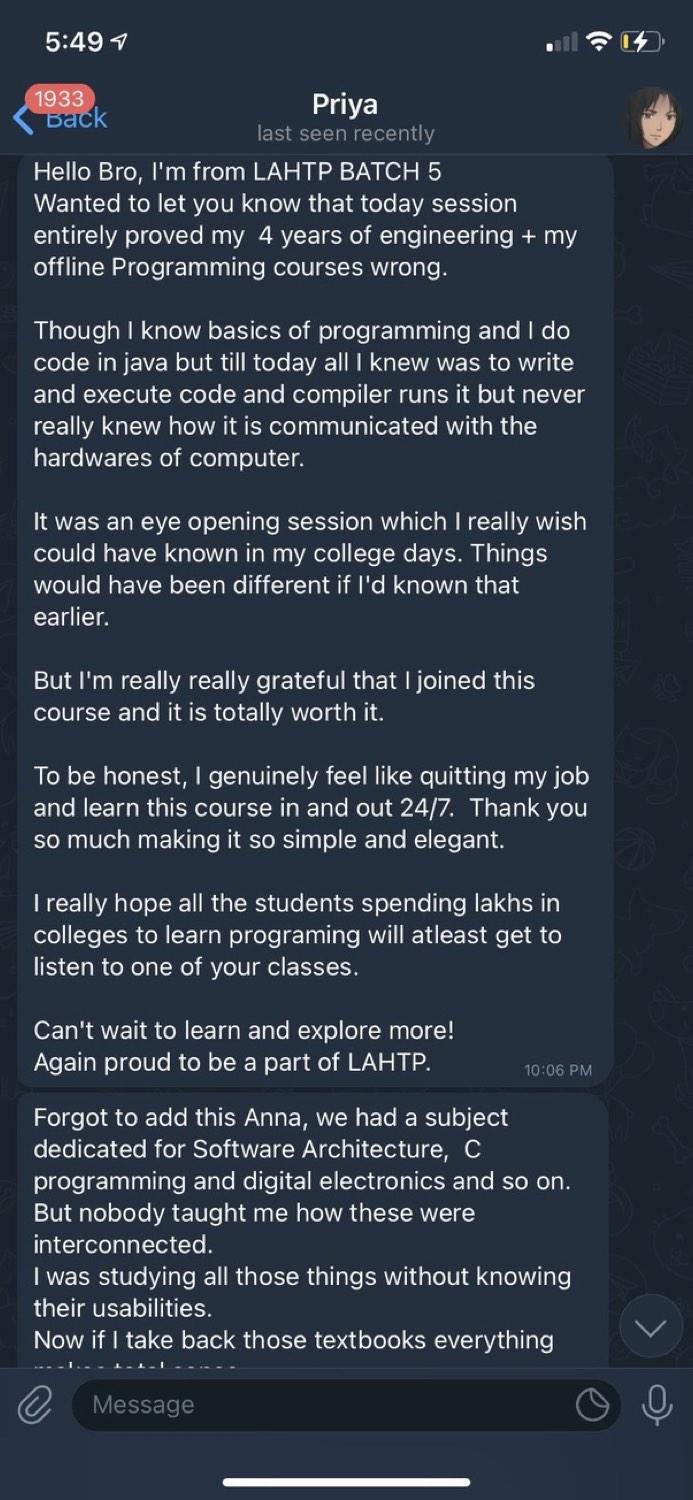
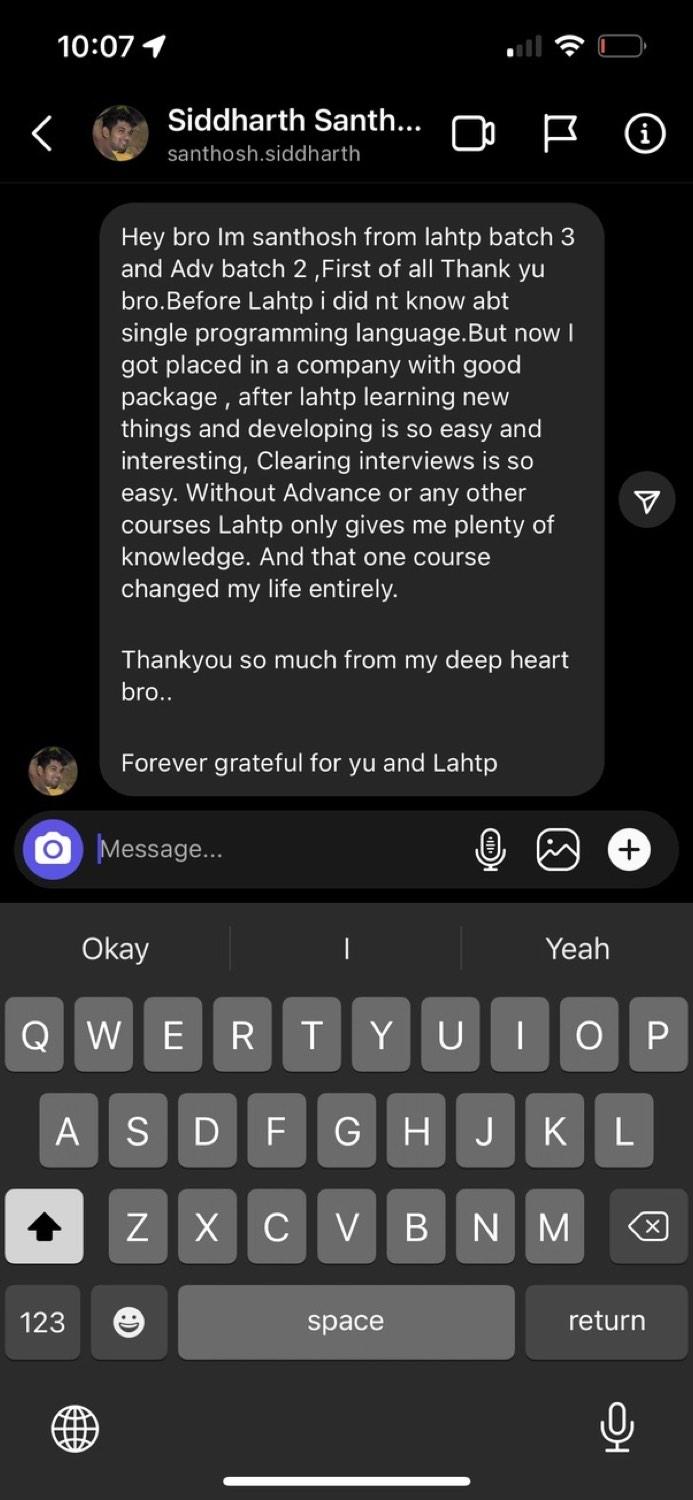
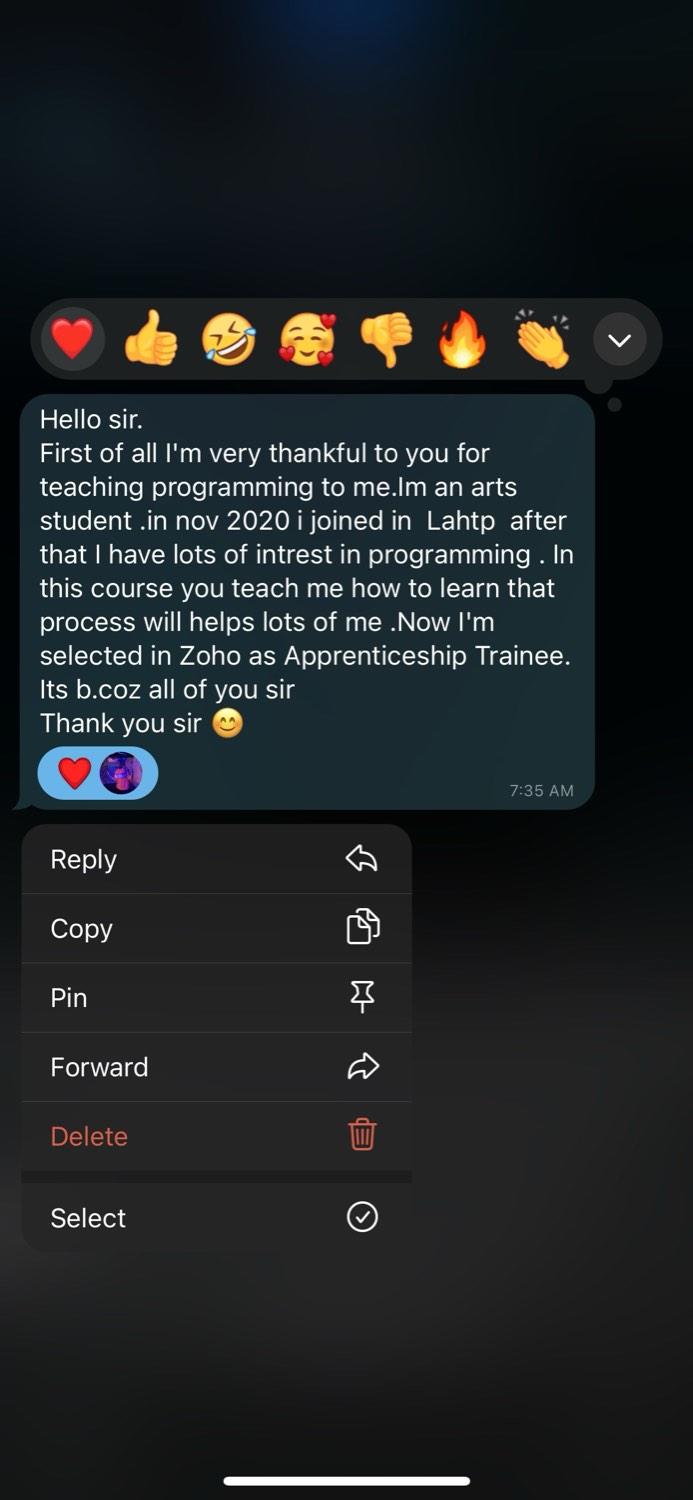
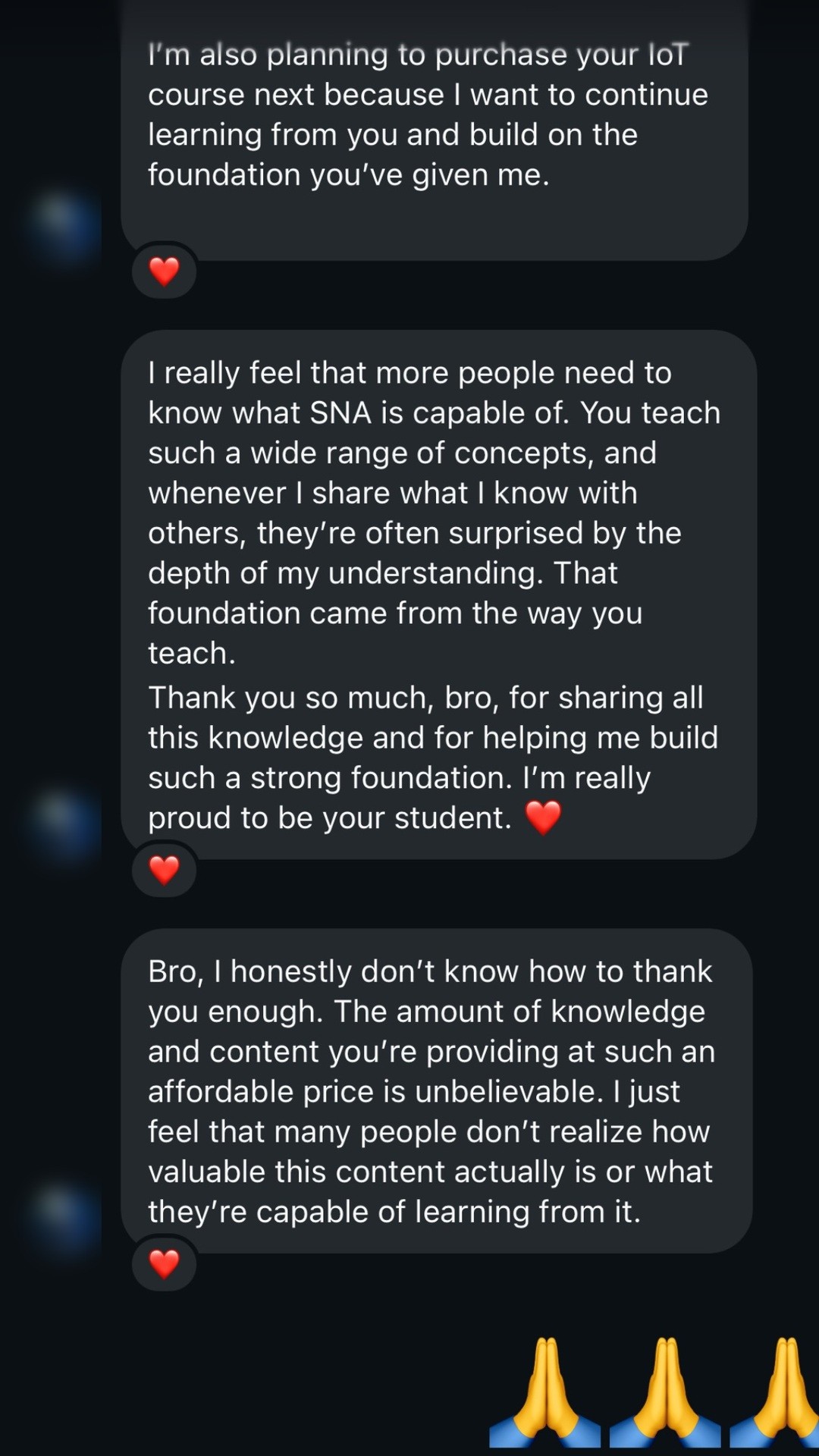
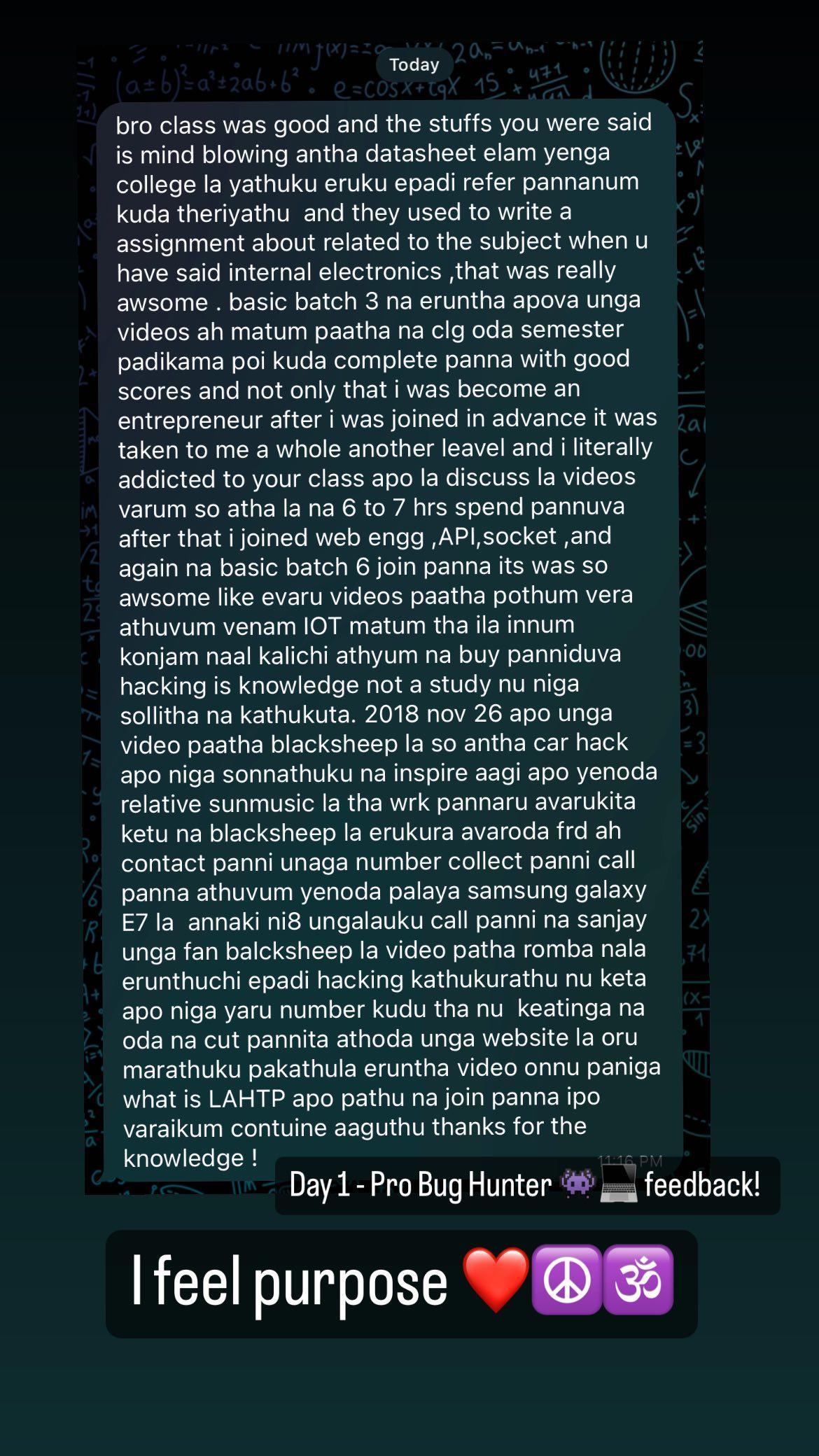
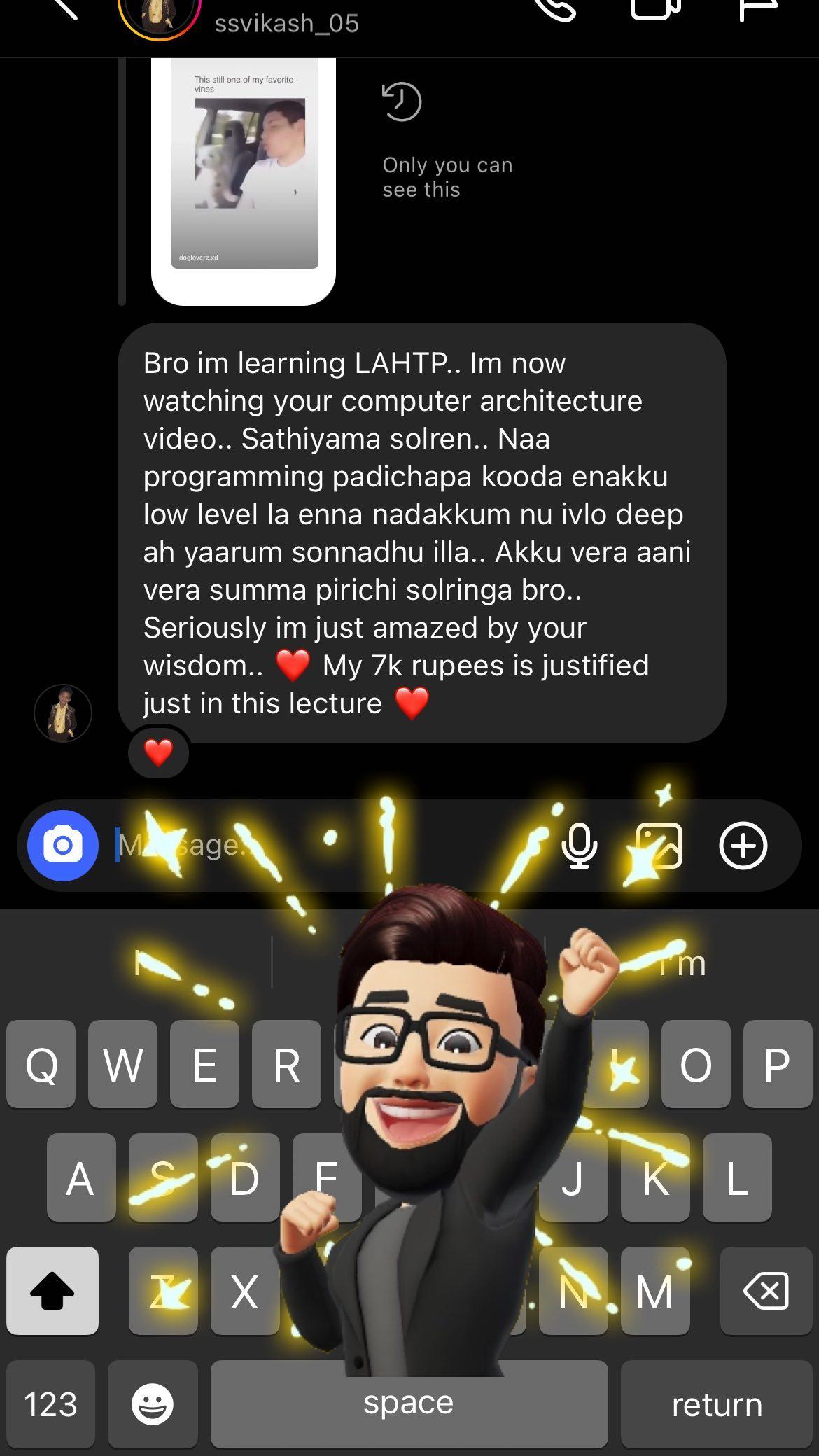
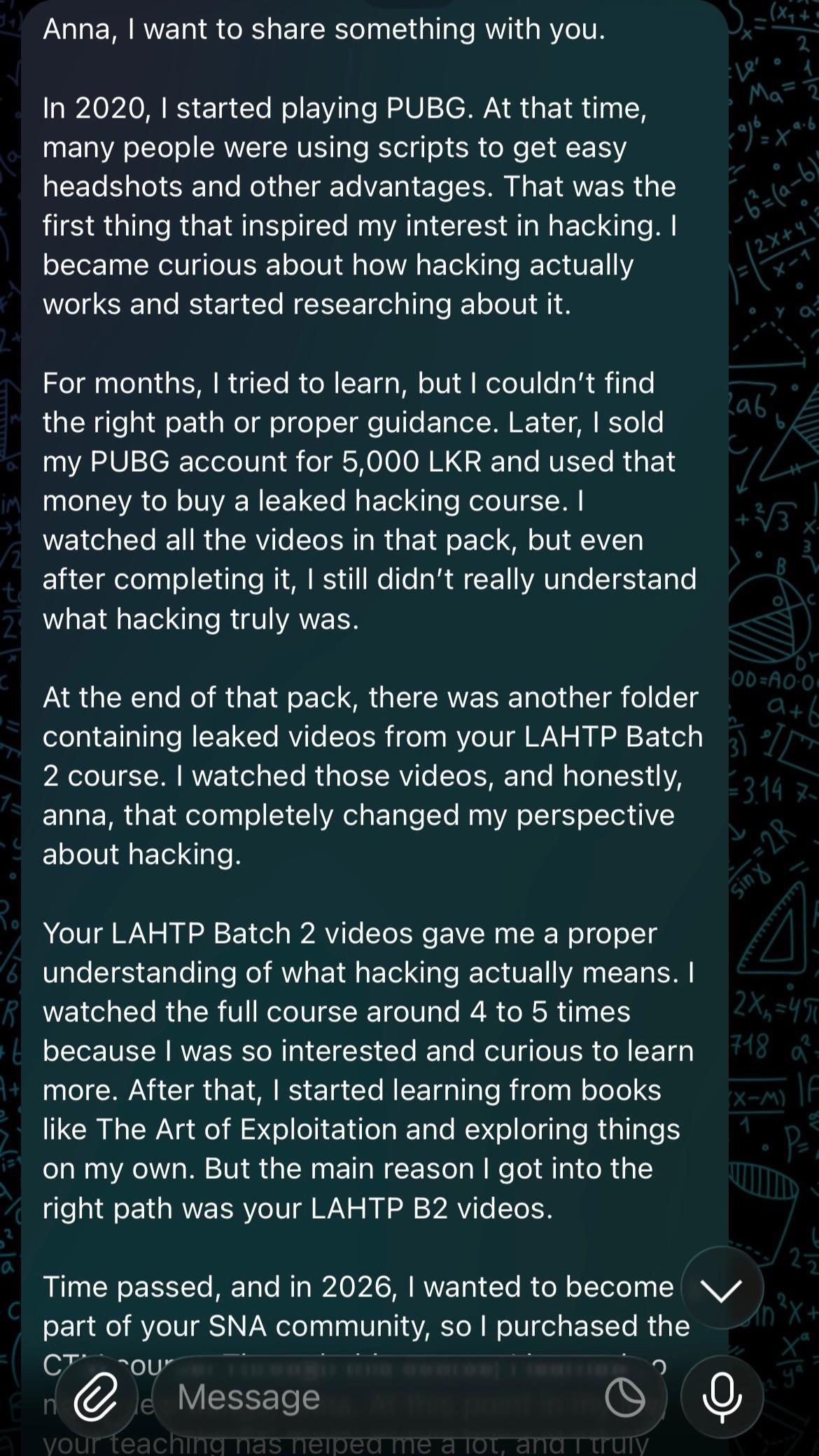
"I'd been building with AI for a year but had zero mental model of what was happening underneath. This workshop filled that gap completely in 6 hours."
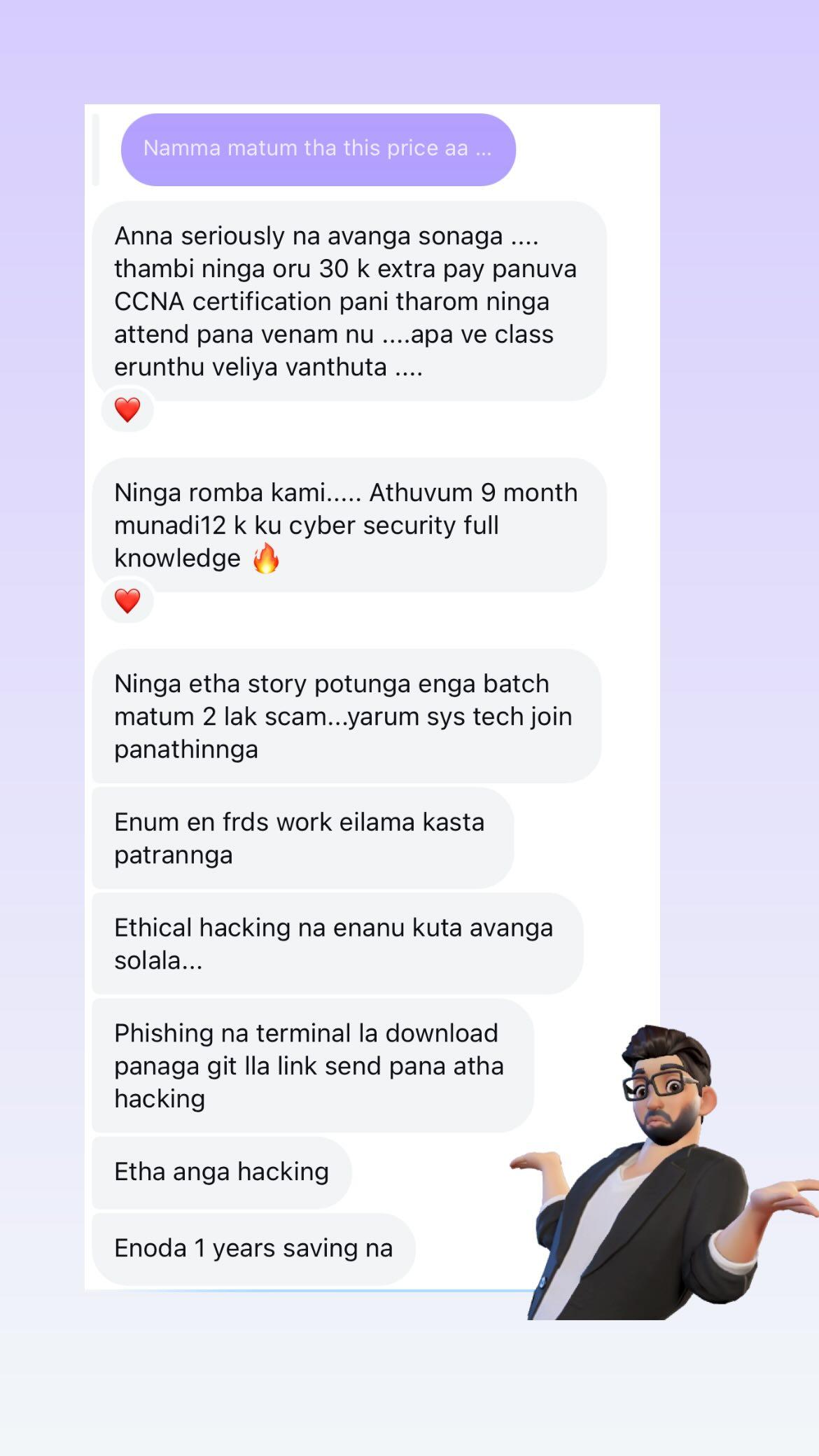
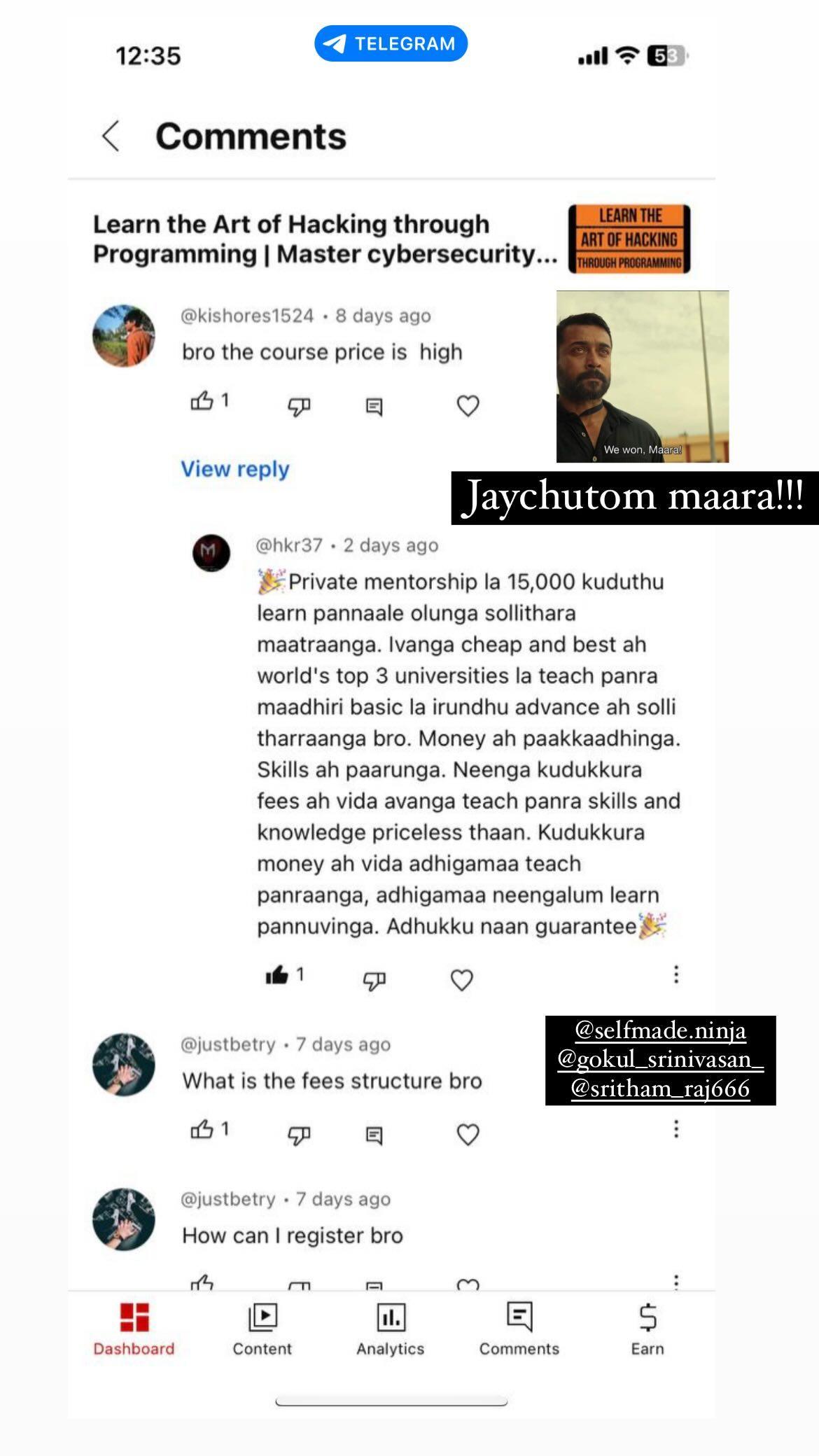
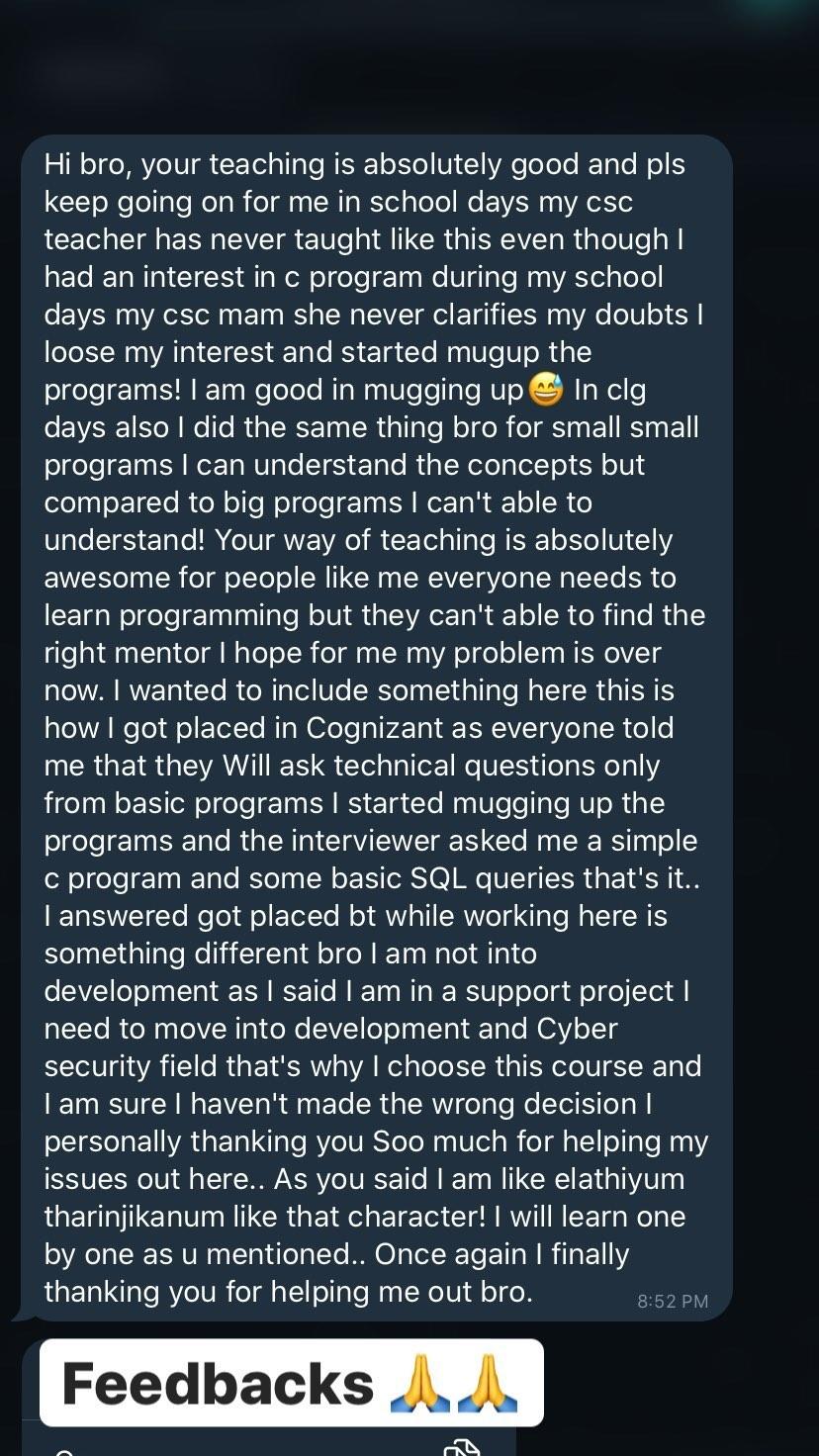
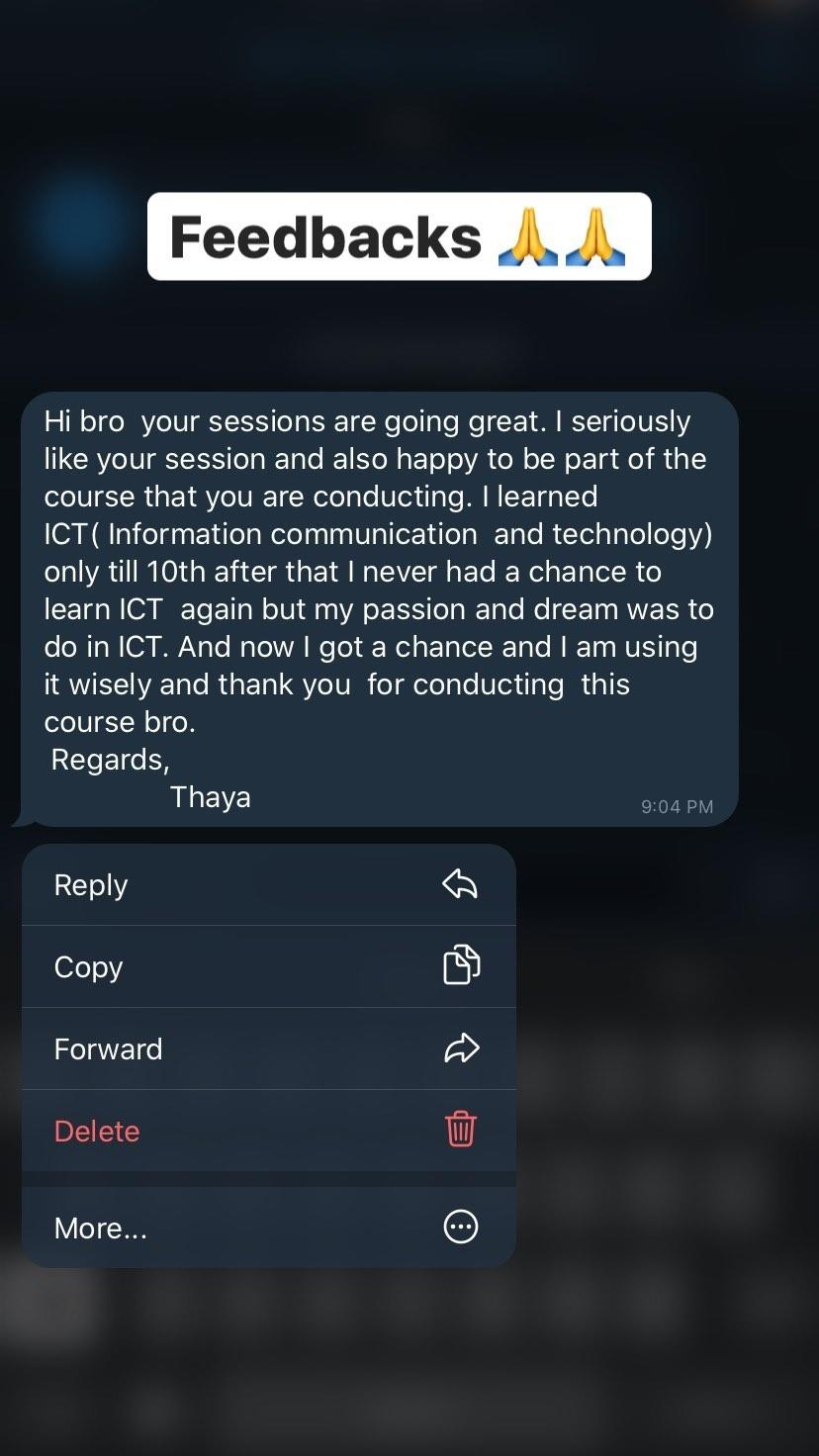
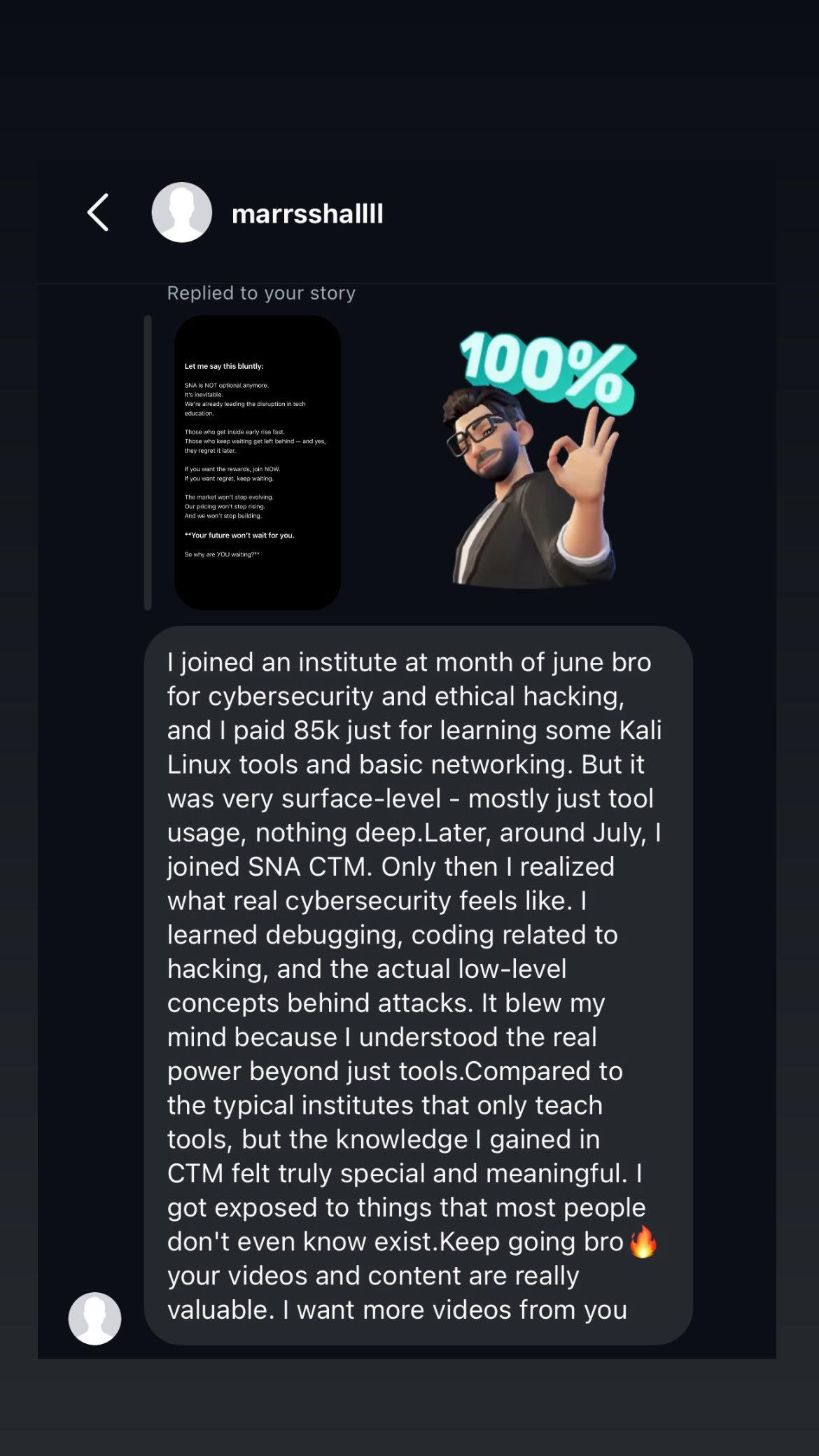
"The Docker section alone was worth 10x the price. I finally understood WHY, not just HOW. That's the difference this course makes — it gives you the 'why' that YouTube never does."
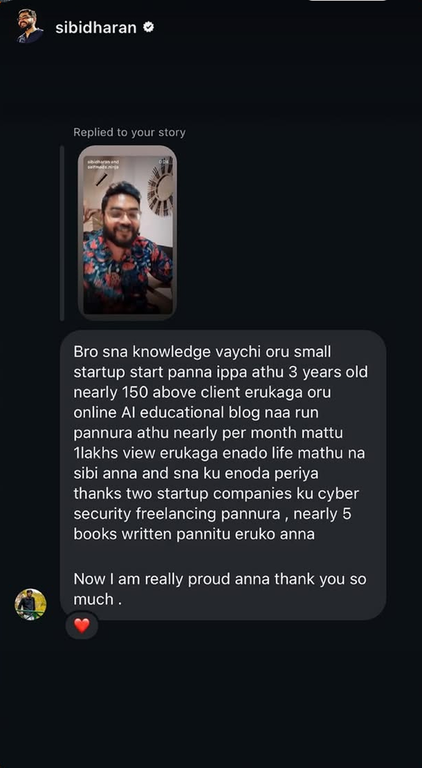
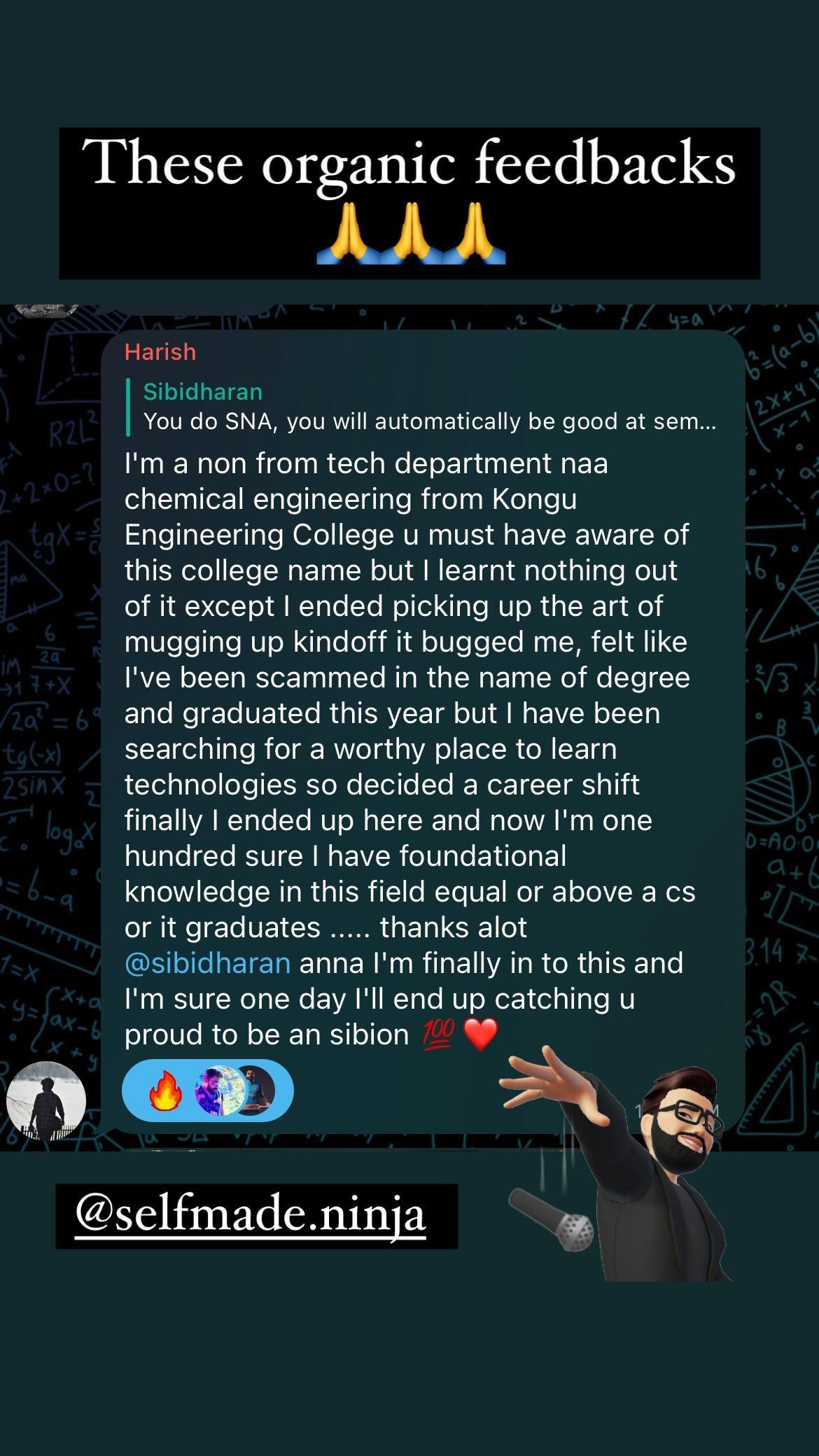
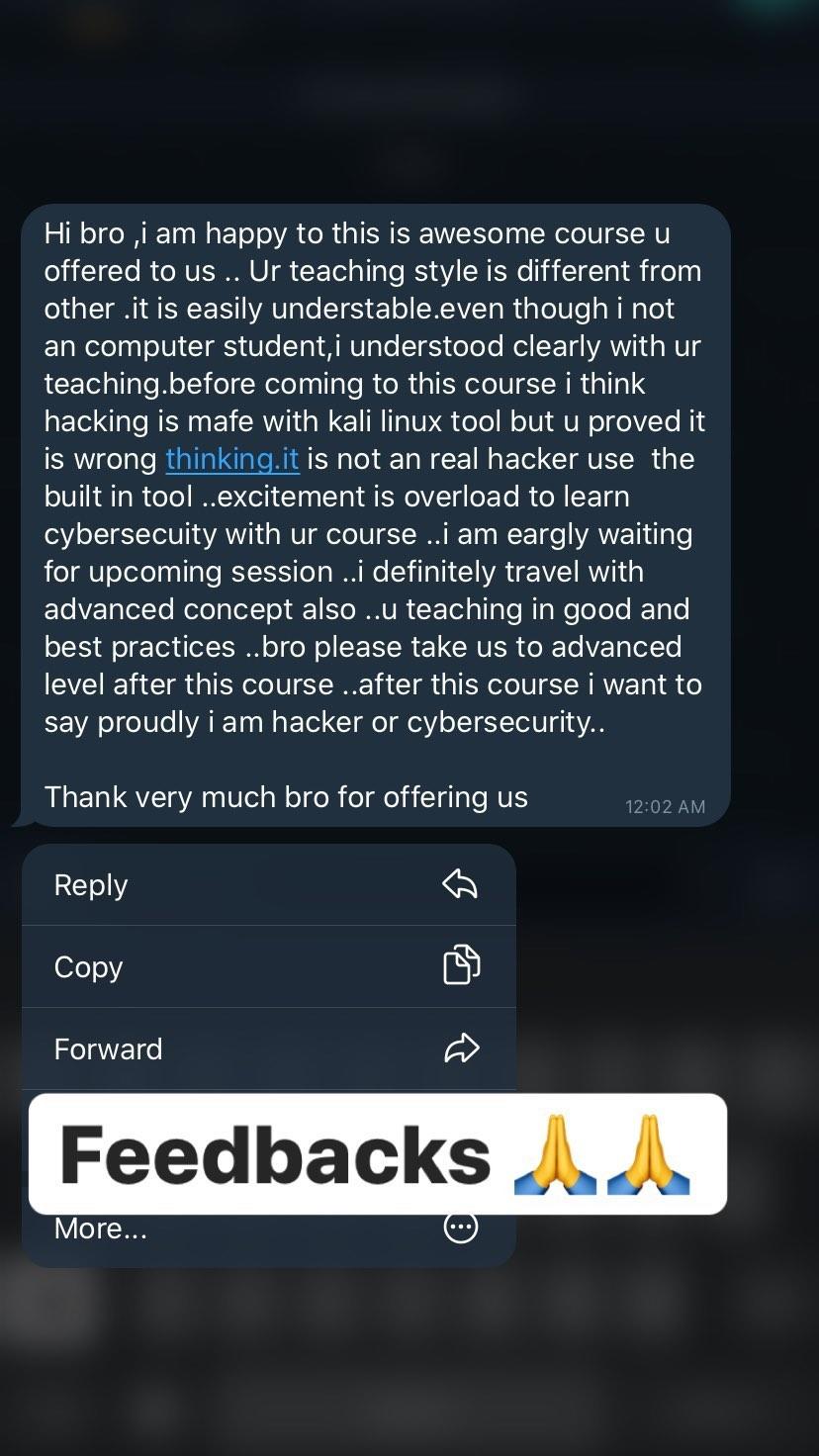
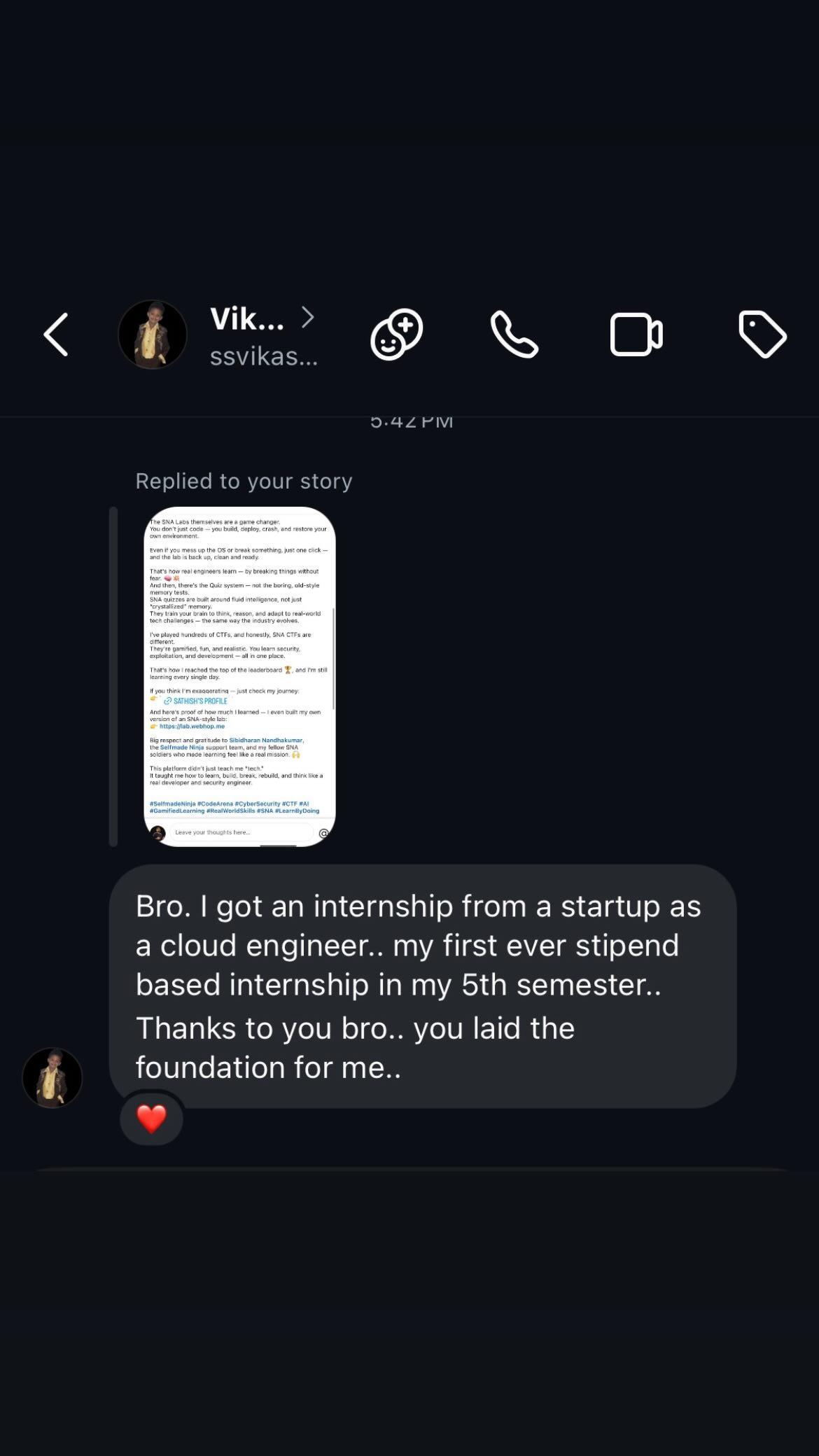
"I was applying for junior developer roles and getting rejected at the technical round. After this workshop I started applying for DevOps roles and got hired in 3 weeks. Life-changing is not an exaggeration."
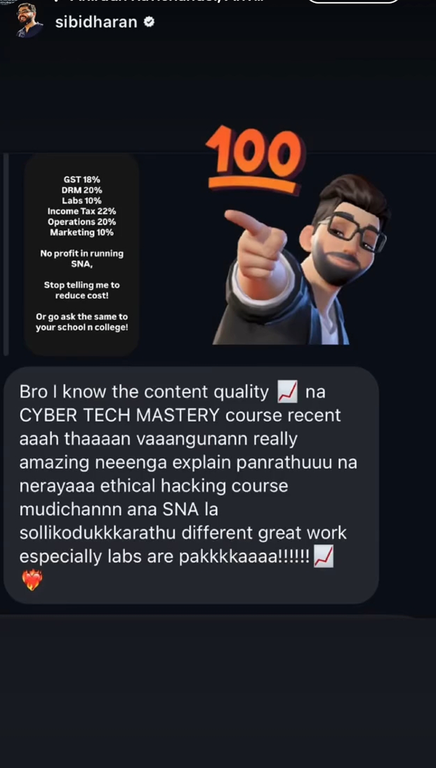
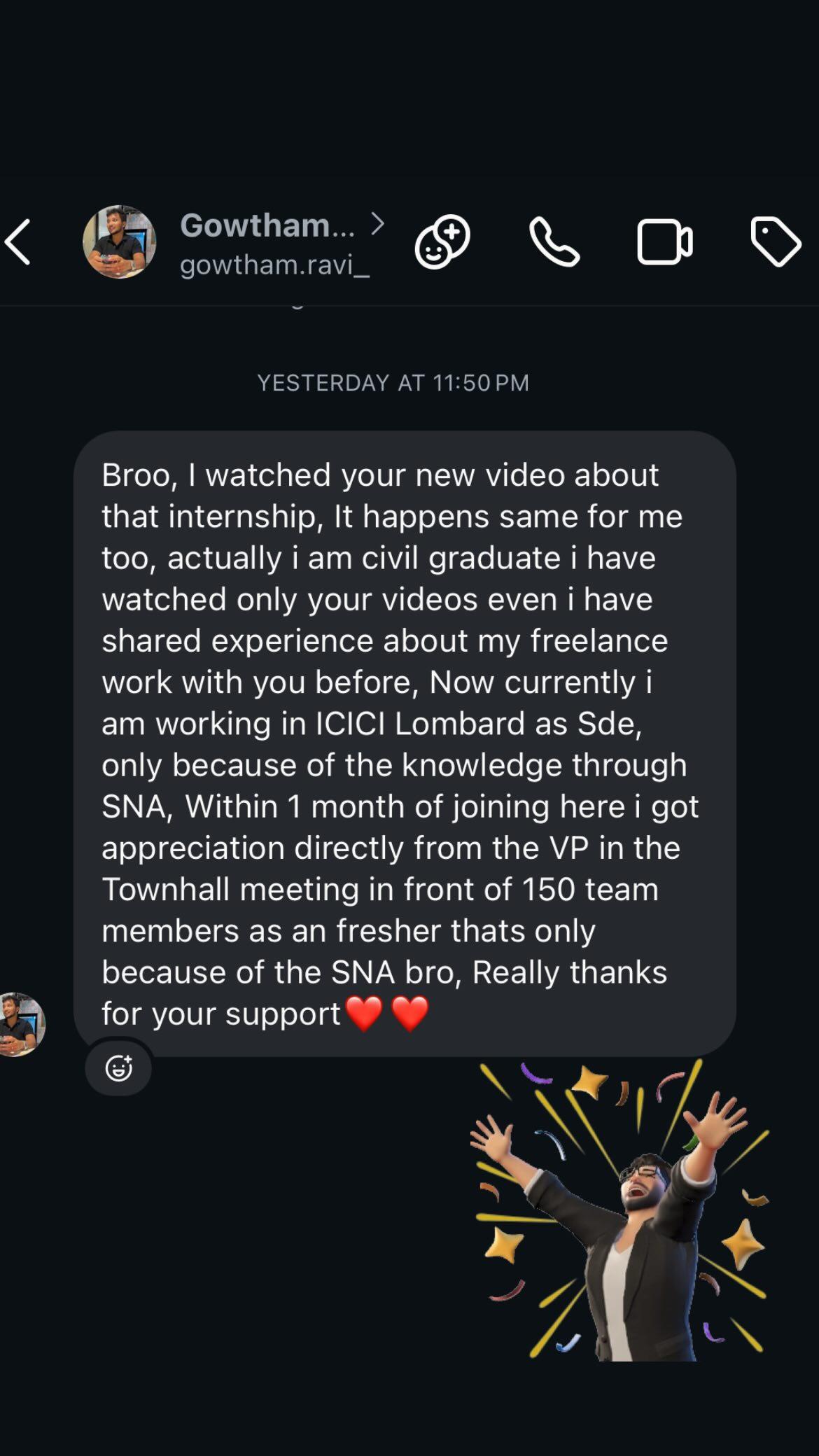
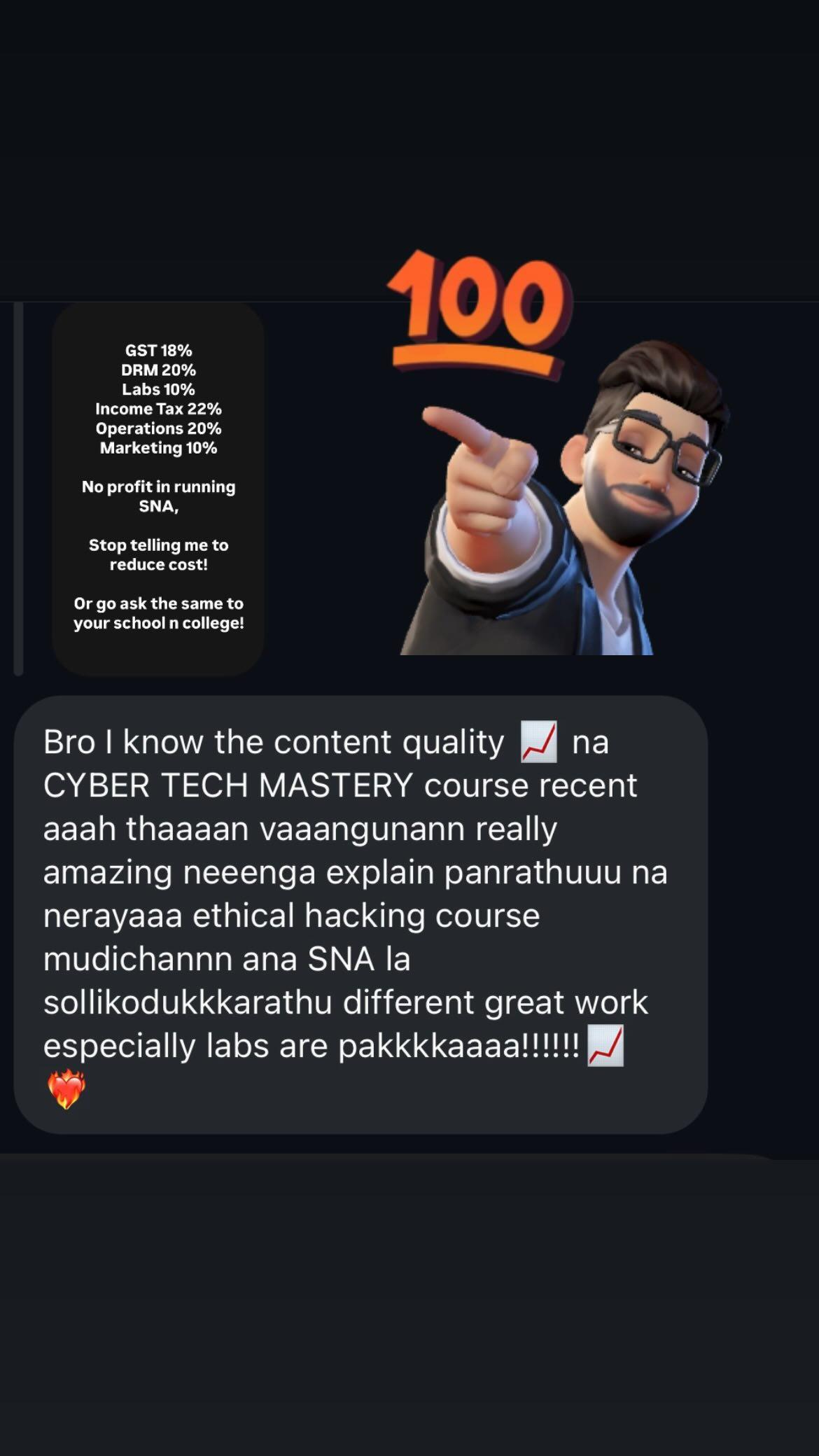
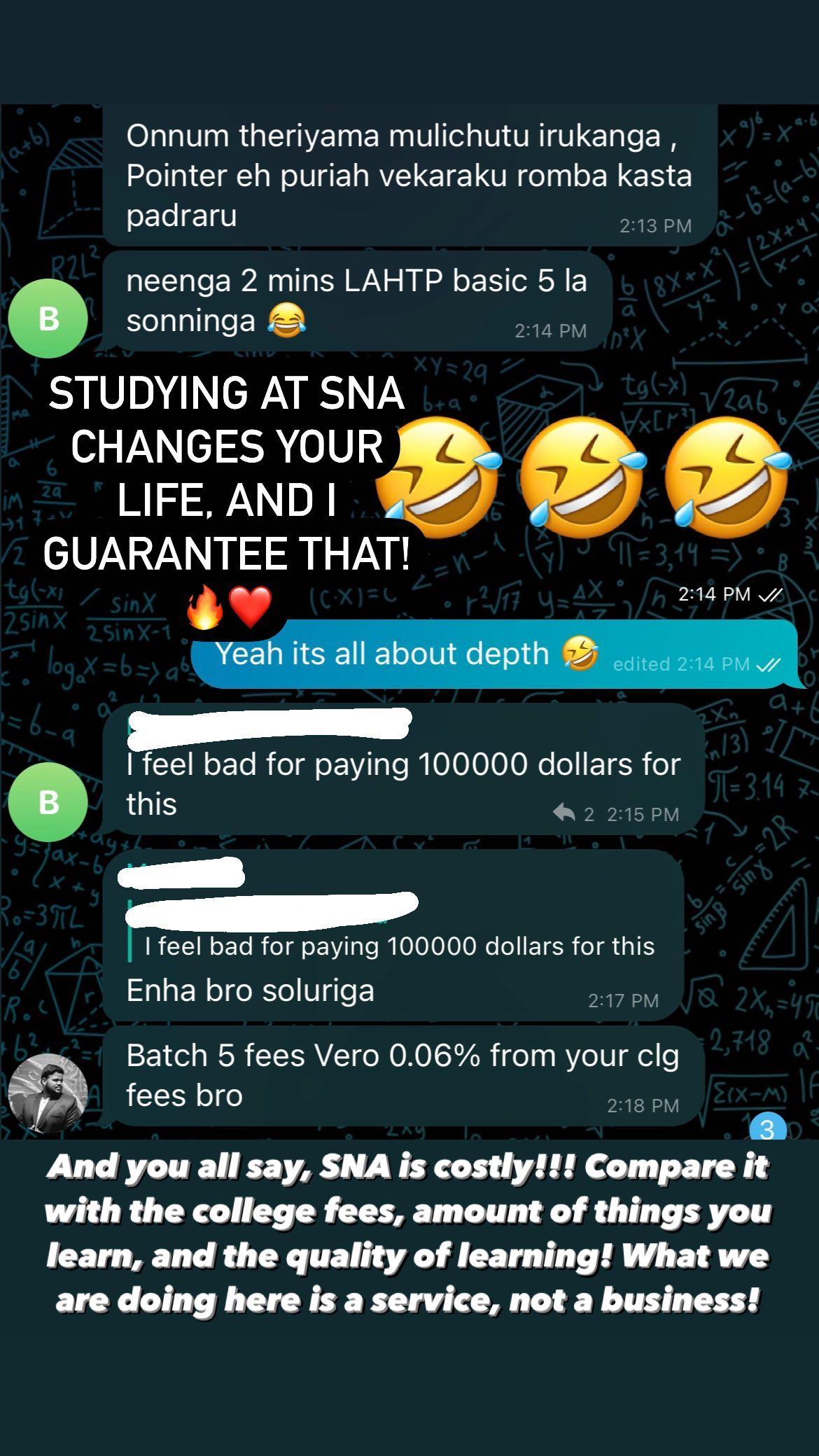
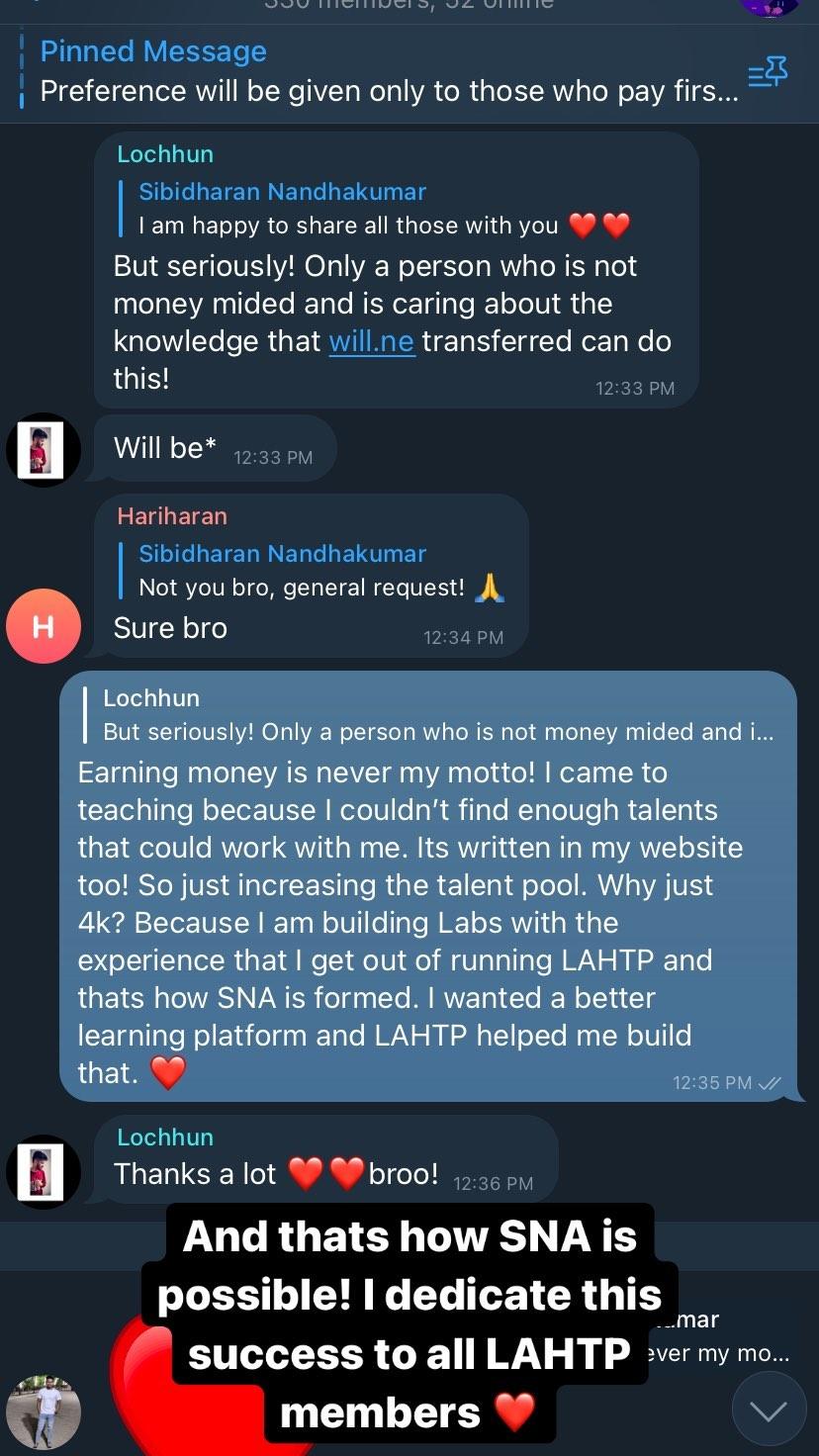
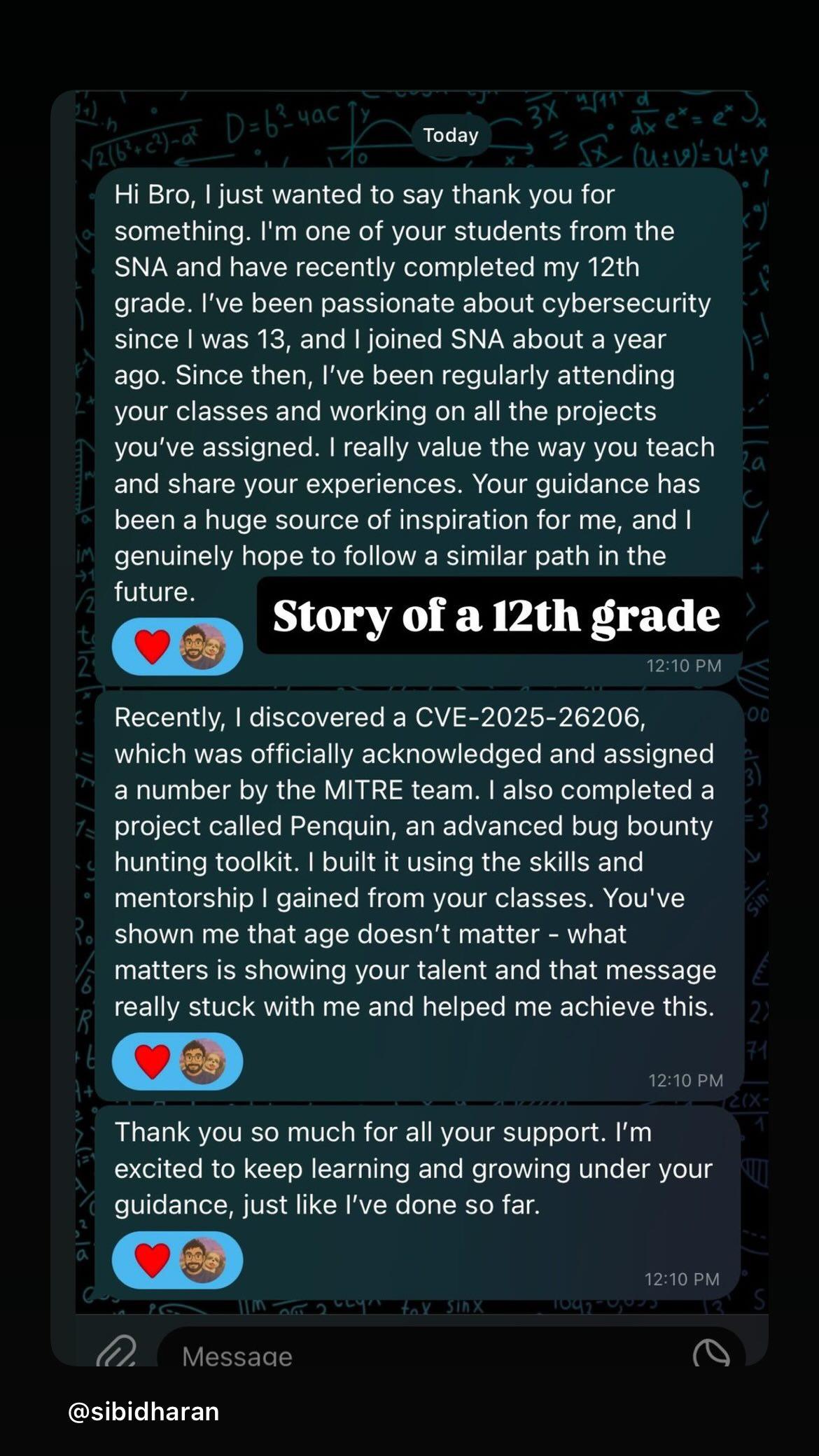
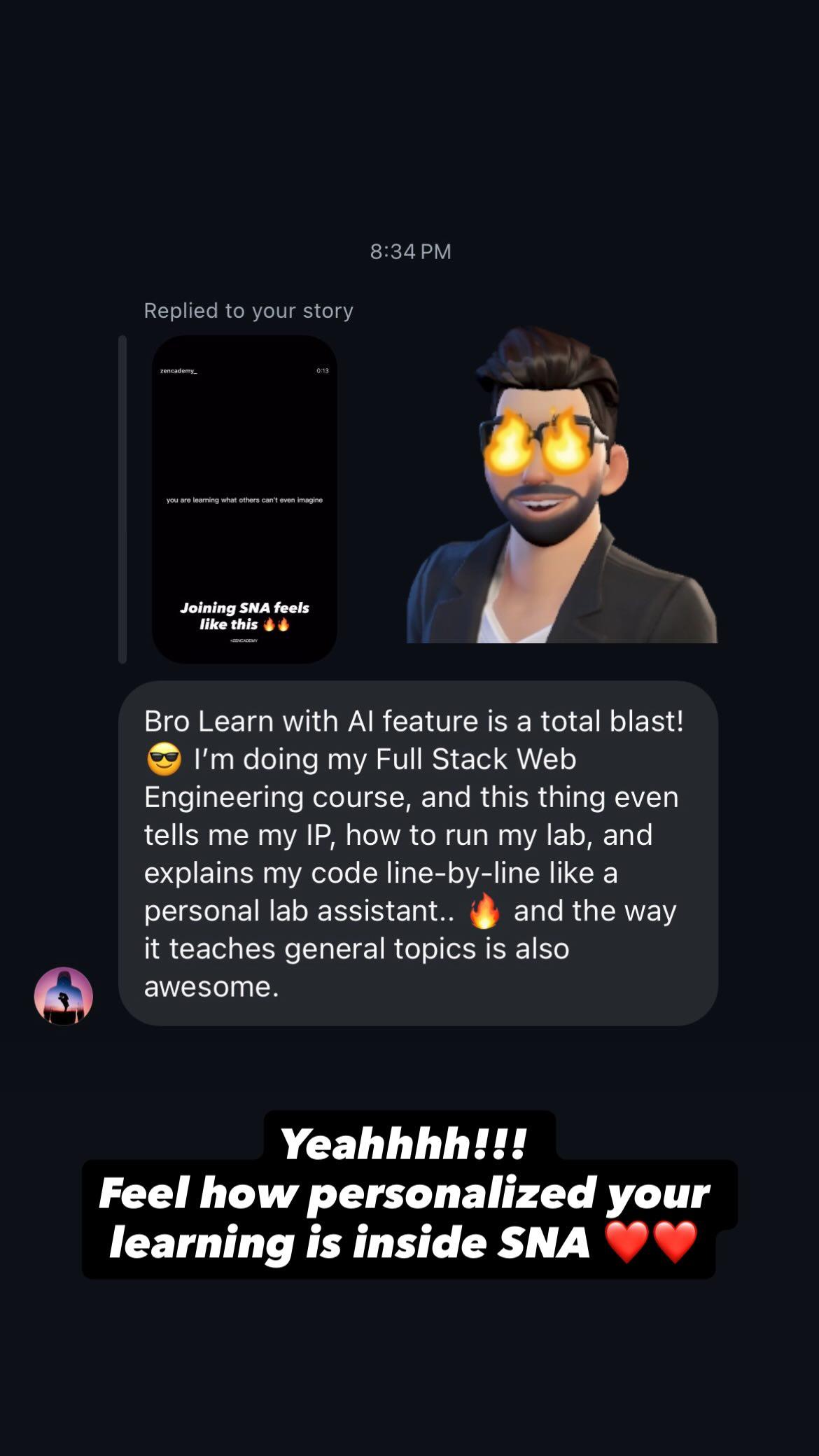
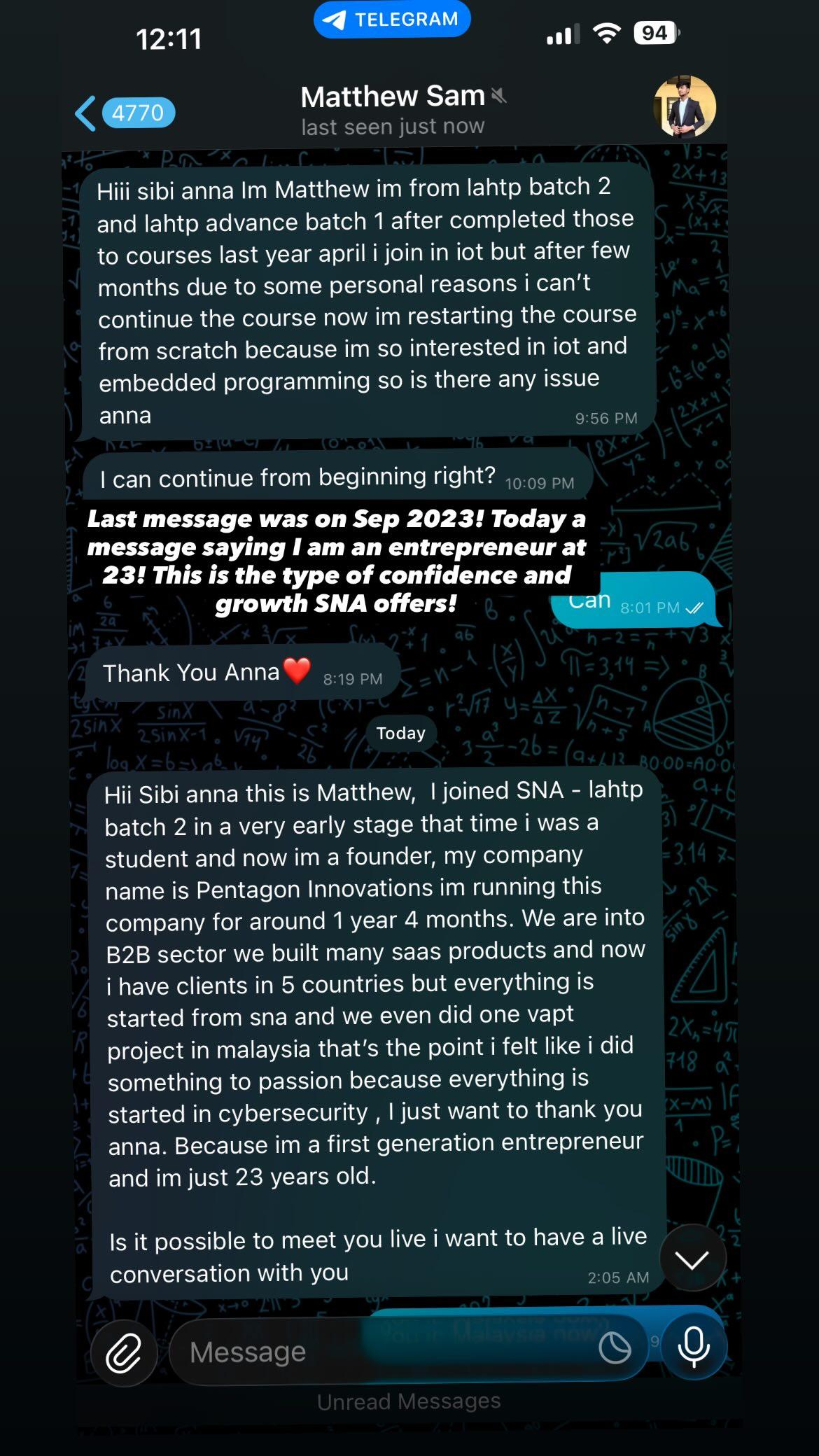
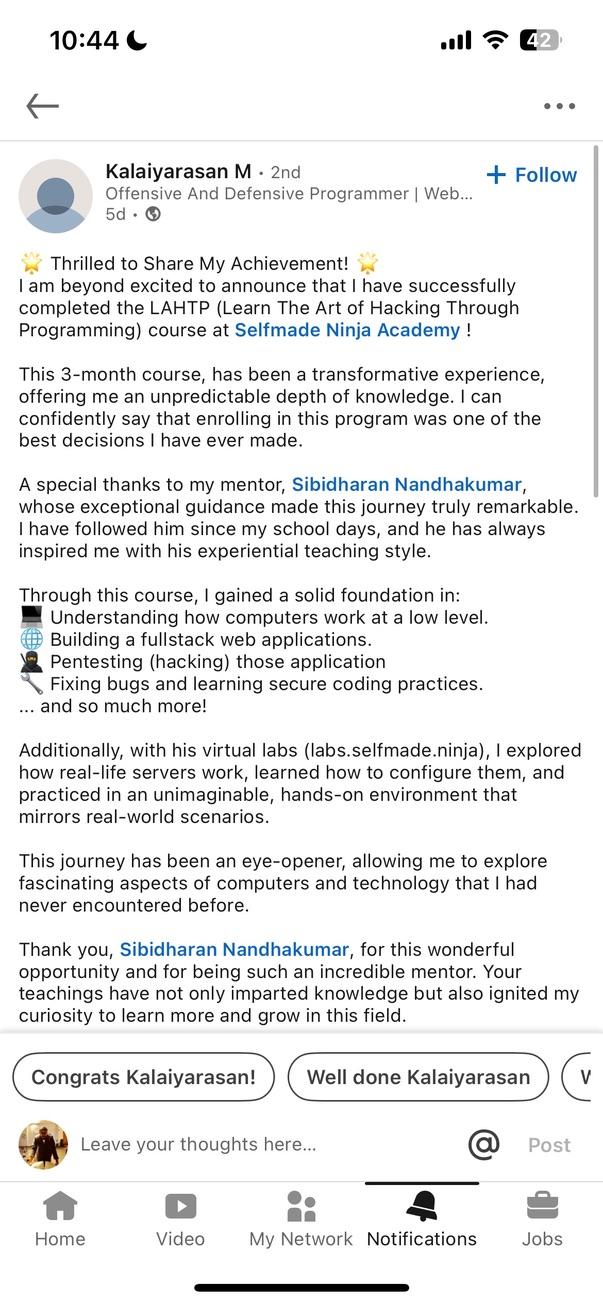
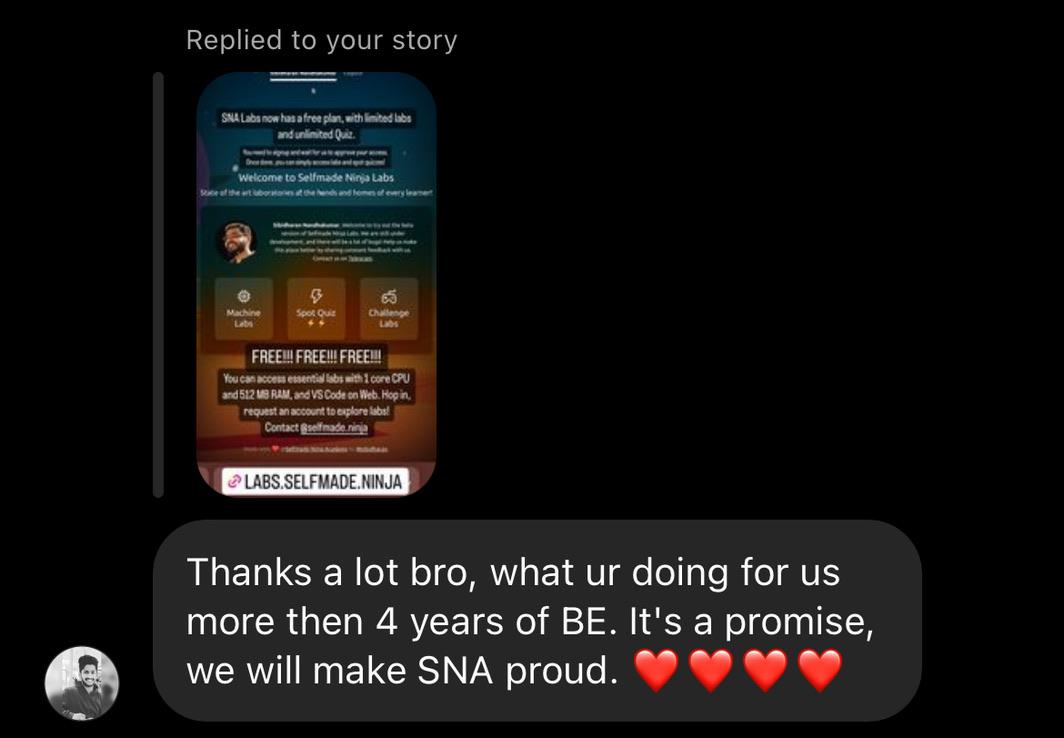
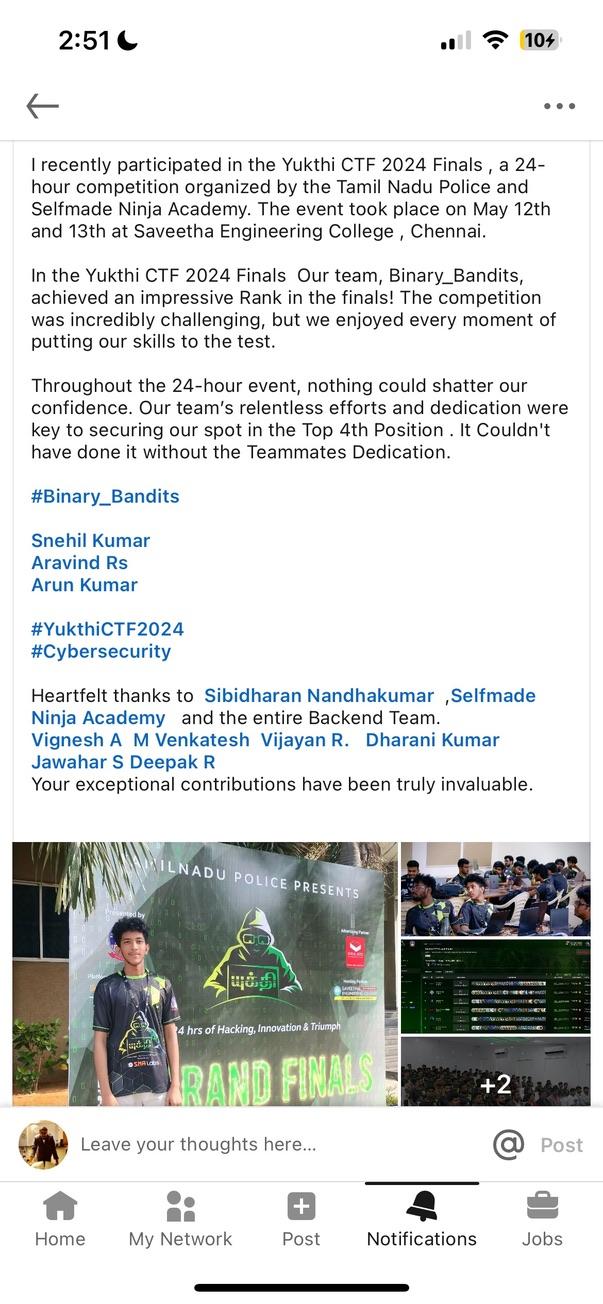
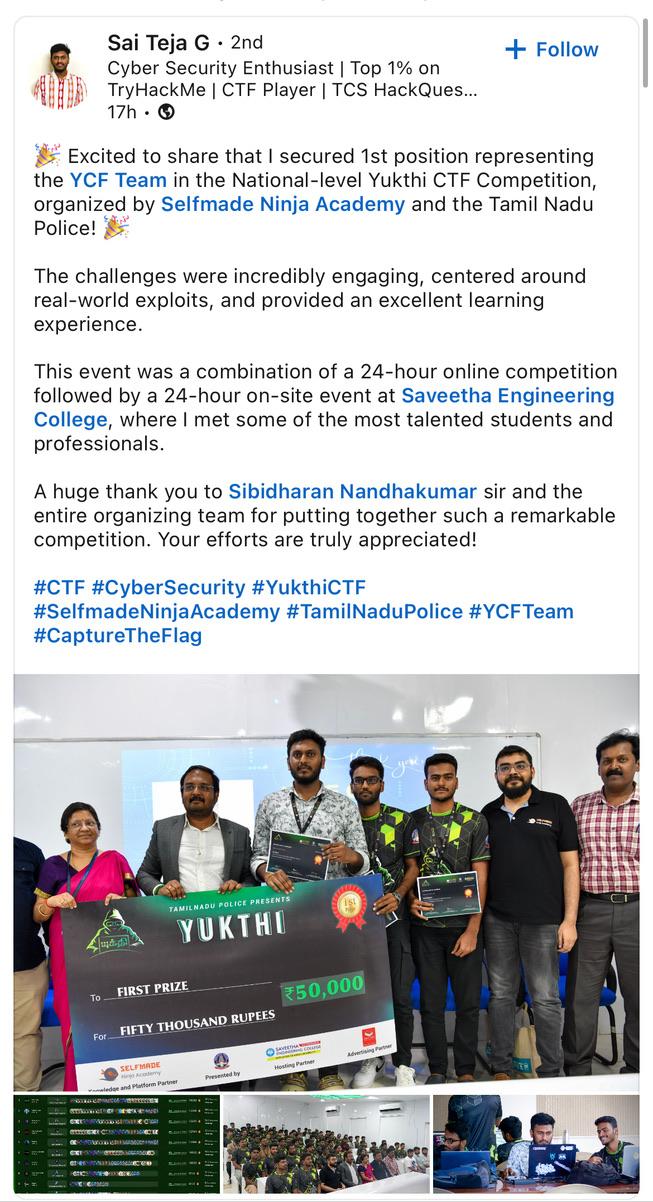
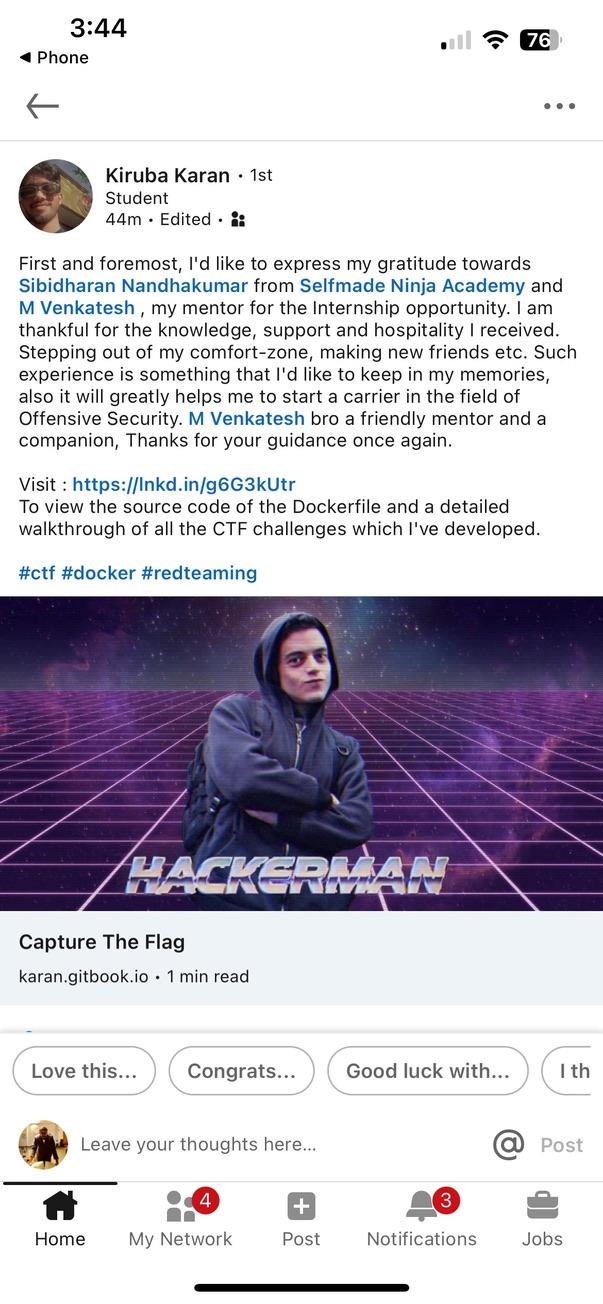
Sibidharan Nandhakumar has trained over 15,000+ students across cohorts and workshops. This curriculum was built from the ground up to address the exact gap that AI has created developers who can prompt, but can't architect.
No upsells. No hidden fees. Everything you need to go from AI user to systems engineer.
Basic programming knowledge is helpful but not required. The workshop focuses on systems thinking and infrastructure — not writing code. If you can read and understand simple scripts and configurations, you're ready.
Yes. The workshop is designed to take you from zero systems knowledge to a solid mental model in 6 hours. Every concept is explained from first principles before we build on it.
NO - Recordings are not available.
Linux (Ubuntu), Docker, Traefik, PostgreSQL, and a real LLM API. All tools are free or have free tiers. Setup instructions will be shared before the workshop.
After registering, you'll receive a Zoom link via email. The session is on April 25 & 26, 2026 from 7:00 PM – 10:00 PM IST. Just show up with your laptop and the tools installed.